




Construction plant
Contents |
[edit] Introduction
The term ‘plant’ refers to machinery, equipment and apparatus used for an industrial activity. Typically, in construction, ‘plant’ refers to heavy machinery and equipment used during construction works. (NB the word 'plant may also refer to living organism such as trees, shrubs, and so on, or to the process of placing seeds or plants in the ground so that they can grow).
At the smaller scale, there may be some overlap between what is considered plant, small plant, tools, small tools or equipment. Very broadly, ‘tools’ might be considered to be instruments that are used by hand, whereas ‘equipment’ might refer to a set of tools used for a single purpose.
For more information see: Construction tools and Construction equipment.
Construction plant is generally re-useable, and so as well as being purchased new, it may be purchased second hand or hired. The Construction Plant Hire Association suggest that, ‘The UK plant hire industry is the best established and most professional in the world, and is worth over £4 billion to the UK economy.’
For more information, see: Plant acquisition.
[edit] Considerations when using construction plant
Construction projects, in particular, large and complex projects, are increasingly dependent on construction plant, and there are a wide range of issues that need to be considered in its use:
- Public safety, employee safety and CDM. See below for more information.
- Type of applications.
- Programme, lead times and continuity of use.
- Crane zones and lifting operations.
- Emissions.
- Storage and theft.
- Insurance.
- Power and fuel.
- Maintenance and breakdowns.
- Standards and regulations.
- Nuisance (noise, vibration, dust and so on). See below, and see Nuisance in construction for more information).
- Logistics, access, segregation and diversions. See Site layout for more information.
Health and safety in particular is vitally important in the deployment and operation of plant on site, particularly in relation to cranes, mobile plant and vehicles. There are a number of regulations that must be adhered to and there is a wide range of guidance available from the Health and Safety Executive.
The Construction Plant Competence Scheme (CPCS) includes a registration card scheme demonstrating the skills, knowledge and understanding, competence and qualifications of those involved in plant operations.
Nuisance can also be a significant concern in the operation of construction plant, in particular in relation to encroachment onto neighbouring sites, damage to neighbouring property, noise, vibration, dust, mud, disruption to traffic and so on. Careful planning and the strict application of site rules to contractors and sub-contractors can help alleviate such problems, with particular consideration given to; hours of operation, transport routes, washing down of vehicles, damping dust, the provision of hard surfaces for vehicles, the provision of information and help lines and so on.
Complex plant may have additional service requirements, some of which might be provided by the plant supplier:
- Design.
- Site accommodation.
- Operation.
- Communication links.
- Transportation.
- Fabrication and installation.
- Temporary services.
Increasingly, Building Information Modelling (BIM), and the development of Virtual Construction Models (VCM) are being used to organise construction works and the deployment of plant on site, in particular in relation to the use or cranes and other lifting equipment.
[edit] Commonly-used types of construction plant
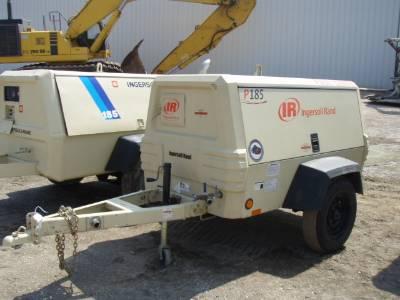
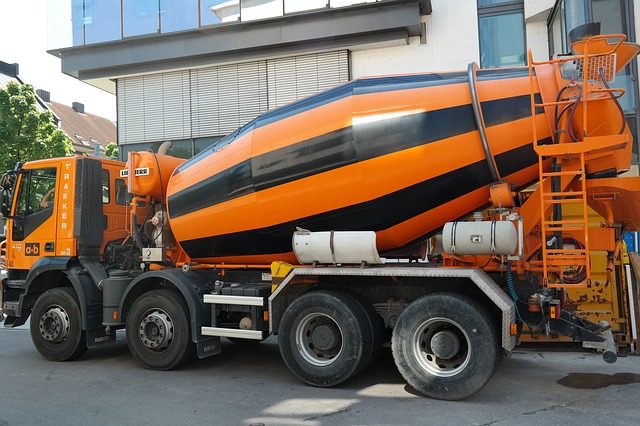
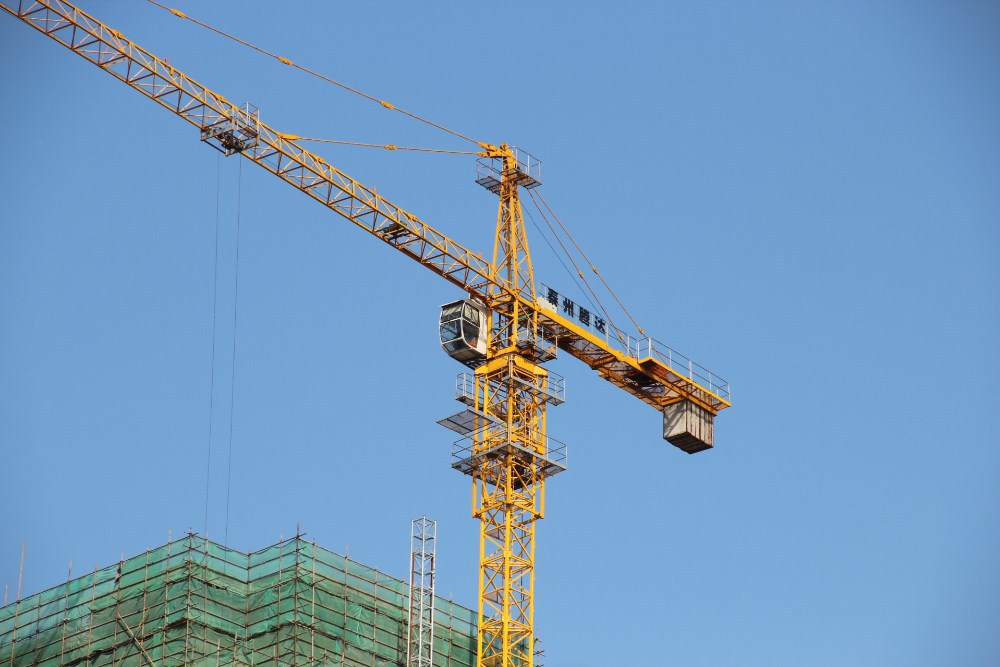
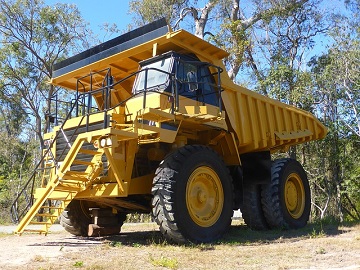
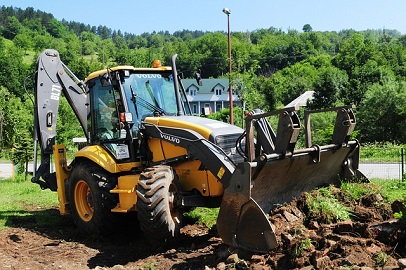
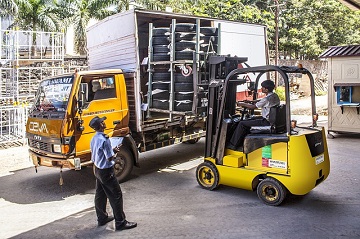
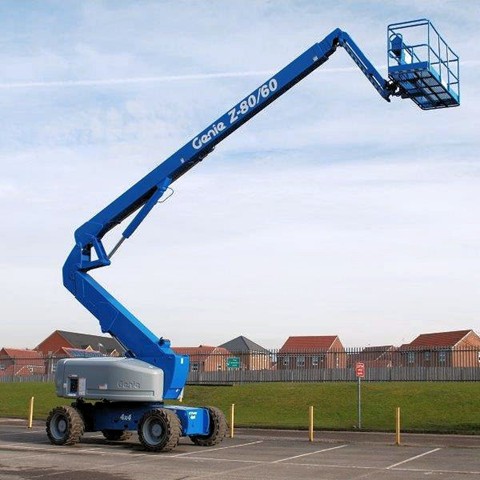
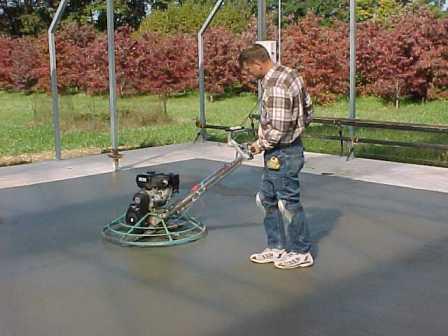
A list of commonly-used construction plant is provided below, along with links to articles providing more information:






[edit] Standing plant
According to The Code of Estimating Practice, seventh edition, published by the Chartered Institute of Building (CIOB) in 2009, the term 'standing plant' refers to, 'Plant retained on site that is not working, but for which a contractor is still liable'.
[edit] General plant
The Code of Estimating Practice suggests the term ‘general plant’ refers to; 'Part of a contractor’s project overhead calculation for the plant, excluded from unit rate calculations, and which is available as a general facility on site. Durations for the general plant are usually taken from the tender works programme.’
[edit] Down time
The Code of Estimating Practice suggests 'downtime', or 'standing time' is, ‘The period of time that plant is not operating. This may be due to breakdown, servicing tie or an inability to operate due to other factors.’
[edit] Attendance
Attendance is the main contractor’s markup for services it has to provide for individual suppliers or sub-contractors. This might include certain items of construction plant.
General attendance is the description of main contractor attendance available site wide to all suppliers or sub-contractors. Special attendance is specific to particular suppliers or sub-contractor if requested.
For more information, see Attendance.
[edit] Operational risk
When it’s rainy and there are high winds, it may be difficult to operate machinery and cranes. Worksites can be hazardous due to uneven surfaces, wet grass, and mud can cause dangerous travel for those driving (and walking). Make sure to drive carefully over rough terrain.
Terrain hazards can cause water collection increasing the risk of drowning or machinery getting stuck. Make sure to inspect all sites after a heavy downpour and to mark off or fill in any holes and washed out areas that can cause slips, trips, and falls. Be aware of all overhead hazards, especially power lines when operating and moving equipment.
RICS Valuation – Global Standards, Effective from 31 January 2022, Published by the Royal Institution of Chartered Surveyors (RICS) in November 2021, suggests that:
|
Plant and equipment may be broadly divided into the following categories:
|
[edit] Related articles on Designing Buildings
- Avoiding crane collapses.
- Back actor.
- Banksman.
- Bituminous mixing and laying plant.
- Central plant.
- Compact construction equipment.
- Compressed air plant.
- Concreting plant.
- Construction tools.
- Crane supports.
- Crane regulations.
- Decentralised plant.
- Earth-moving plant.
- Equipment supply.
- Excavating plant.
- Forklift truck.
- Hoists.
- How to manage construction plant.
- Lifting devices.
- Mini excavators market.
- Piling equipment.
- Plant acquisition.
- Power float.
- Pumps and dewatering equipment.
- Rubble chute.
- Tool theft.
- Types of crane.
Featured articles
Check out some of the best features and news from Designing Buildings as well as key stories from around the web.

Government approach could undermine delivery and regeneration.
World's first mass timber data centre.

The overlooked environmental aspect of data centre development.
Introduction to radon awareness

New technical information sheet published by CIOB.

Updated supplier guide can help electrical contractors engage with NHP.

CIAT confirm the winners of the 2026 architectural technology awards.

Government launches a one stop shop for flood preparedness.

Sir Edwin Lutyens: Britain's greatest architect? Book review.

CIOB publishes free template to help assess and manage risks.
ECA's reflections on Party Conference season

Burnham wants to be confident of winning before asking for a fresh mandate.
New Chief Construction and Scientific Adviser

Sergio Cavalaro, Professor of Infrastructure Systems at Loughborough University.
Building safety levy for England

CIAT publish estimator tool for members.

Water sector faces a growing crisis that could slow the delivery of vital infrastructure.
Comments
[edit] To make a comment about this article, or to suggest changes, click 'Add a comment' above. Separate your comments from any existing comments by inserting a horizontal line.