




Accommodation
[edit] Accommodation noun
The term ‘accommodation’ (noun) refers to the facilities (usually of a spatial/functional nature) offered by properties and other installations. For example, the accommodation offered by a semi-detached house might be described by an estate agent as comprising:
- Hallway
- Two reception rooms
- Kitchen
- Three bedrooms (one with en-suite)
- Family bathrooms
- Garden.
- Off-street, parking space, etc
The accommodation provided for individual guests at a hotel might include a double bedroom with en-suite, TV, coffee-making facilities etc.
An office block may offer 10,000m2 fully-serviced office space, six lifts, kitchens on each floor, main canteen, two reception areas, etc.
[edit] To accommodate (verb)
The verb ‘to accommodate’ can mean making allowances for a certain state of affairs that has happened or is expected to happen. So, an architect may accommodate the wide-ranging sizes of hand-made bricks by including a larger than usual element for tolerances in their design.
Providing someone with a place to live might be described as 'accommodating' them.
[edit] Related articles on Designing Buildings Wiki
- Accommodation stair
- Cluster accommodation
- Conveyancing.
- Core and cluster accommodation
- Estate agent fees.
- Freehold.
- Land Registry.
- Leasehold.
- Property chain.
- Property valuation.
- Real estate.
- Sanitary accommodation
- Schedule of accommodation
- Semi.
- Student accommodation
- Types of building.
- Types of place.
- Types of space.
- Use class.
Featured articles
Check out some of the best features and news from Designing Buildings as well as key stories from around the web.
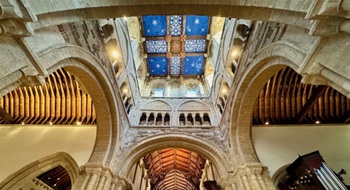
Dorset's first conservation campaigner?
Gov.uk - Hot-rolled steel plate

New anti-dumping measure imposed on South Korea.
ECA responds to the Milburn Report

Youth employment to be linked to workforce demand.
The construction industry urgently needs to attract new talent
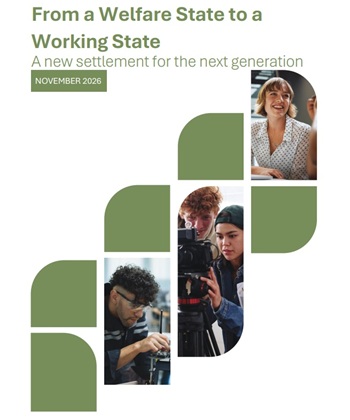
CIOB responds to Neets report.
Grenfell Tower community update

Memorial columns to be retained as careful dismantling continues.
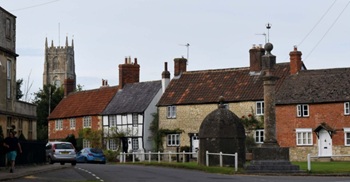
When buildings reflected the local resources available.

CIOB reports 57% are using artificial intelligence technologies.

More of England’s ‘hidden heroes’ will be celebrated.

CIAT calls for retrofit to be a priority.
Version 6 is now available, along with guidance for ECA members.
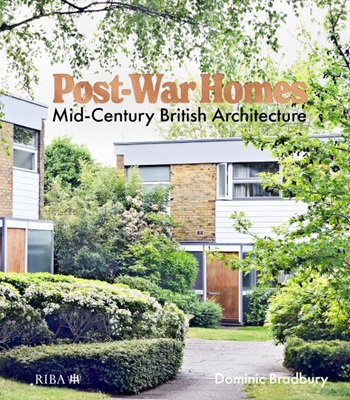
Post-War Homes: mid-century British architecture. Book review.

CIAT reflects on the party conferences.