






Insulated Garden Room With Electricity
[edit] Insulated Garden Rooms with Electricity
[edit] Introduction
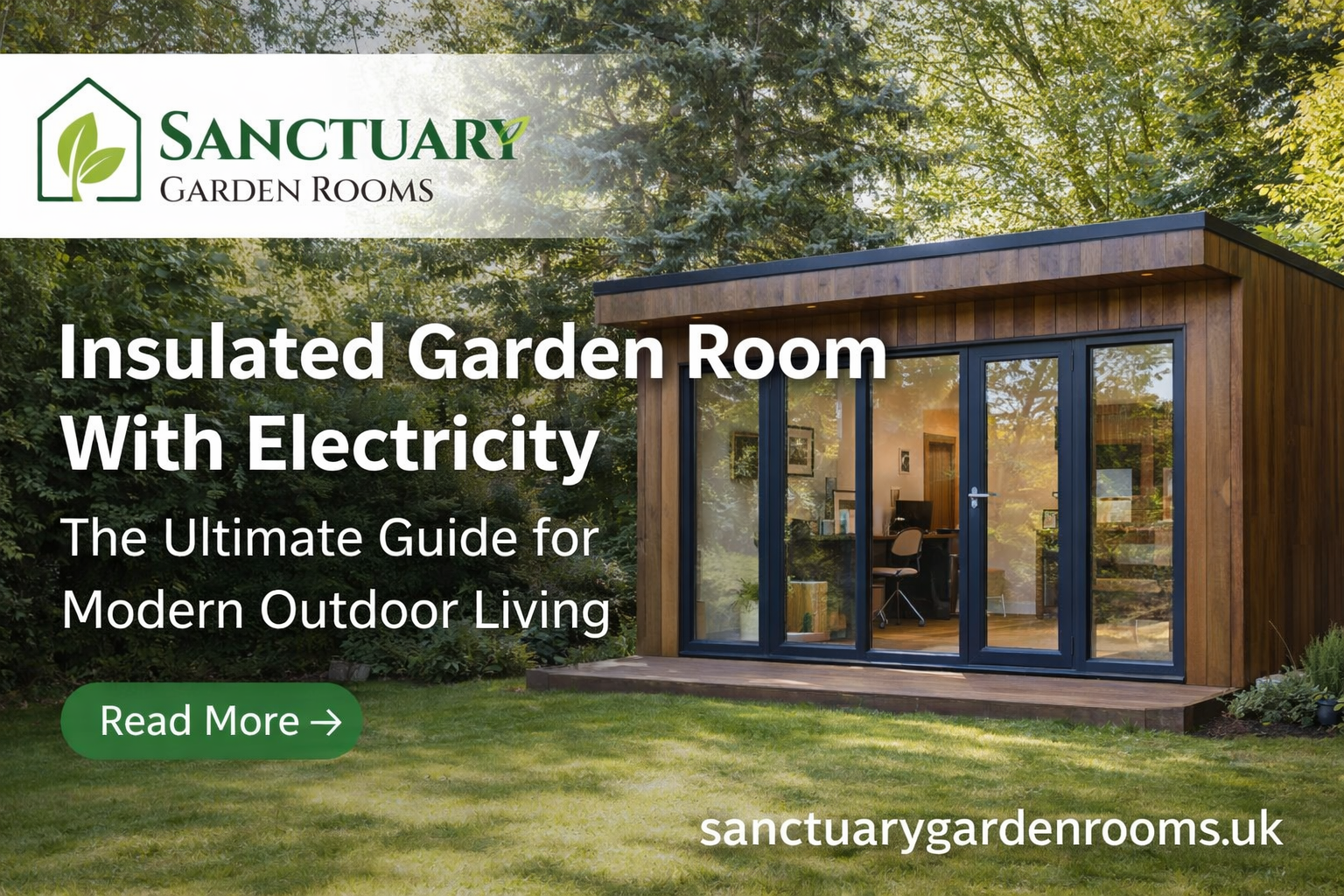
An insulated garden room with electricity is a detached structure typically constructed within a residential garden, designed for year-round use and equipped with electrical installations such as lighting, power sockets, and heating systems. These structures have gained popularity in the United Kingdom due to increasing demand for flexible living and working spaces, particularly in response to the rise of remote working and hybrid lifestyles.
Unlike traditional garden sheds, insulated garden rooms are built using advanced construction methods and materials that provide thermal efficiency, durability, and comfort. When fitted with electrical systems, they become fully functional extensions of the home, suitable for a wide range of uses including offices, studios, gyms, and leisure spaces.
[edit] History and Development
The concept of garden buildings has existed for centuries, with early examples including summerhouses and pavilions in large estates. However, modern insulated garden rooms emerged in the late 20th and early 21st centuries, driven by improvements in construction technology and insulation materials.
In the UK, the demand for garden rooms increased significantly after the early 2020s, when remote working became more widespread. Homeowners sought separate, quiet spaces that could function as offices without requiring full-scale home extensions. This led to the evolution of garden rooms into highly insulated, electrically powered structures.
[edit] Construction and Design
[edit] Structural Framework
Most insulated garden rooms are constructed using timber frame systems, which offer a balance between strength, sustainability, and cost-effectiveness. The structure typically includes:
- Pressure-treated timber framing
- Structural insulated panels (SIPs) or stud walls
- External cladding such as composite, timber, or metal finishes
[edit] Insulation Materials
Insulation is a key feature that differentiates garden rooms from traditional outbuildings. Common insulation materials include:
- PIR (Polyisocyanurate) boards
- Mineral wool insulation
- Multi-foil insulation systems
These materials are installed in the walls, roof, and floor to ensure thermal efficiency and energy retention.
[edit] Windows and Doors
Double-glazed or triple-glazed windows and doors are commonly used to enhance insulation and security. Aluminium and uPVC frames are frequently chosen for their durability and low maintenance.
[edit] Electrical Systems
A defining characteristic of an insulated garden room with electricity is the integration of electrical infrastructure. This typically includes:
[edit] Power Supply
Electricity is usually supplied via an underground armoured cable connected to the main house. Installation must comply with UK electrical safety standards, including Part P of the Building Regulations.
[edit] Lighting
LED lighting is commonly installed for energy efficiency. Options include:
- Ceiling spotlights
- Wall-mounted fixtures
- Smart lighting systems
[edit] Heating and Cooling
To maintain comfort throughout the year, garden rooms may include:
[edit] Connectivity
Modern garden rooms often include internet connectivity, either through Wi-Fi extension or wired Ethernet connections, making them suitable for professional use.
[edit] Uses
Insulated garden rooms with electricity are highly versatile and can serve multiple purposes:
[edit] Home Office
One of the most common uses is as a garden office, providing a quiet and dedicated workspace separate from the main home.
[edit] Gym
Garden rooms can be equipped with electrical outlets for fitness equipment, making them suitable as home gyms.
[edit] Creative Studio
Artists, musicians, and writers often use garden rooms as studios due to their privacy and natural surroundings.
[edit] Leisure Space
They may also function as entertainment rooms, home cinemas, or relaxation areas.
[edit] Guest Accommodation
Some garden rooms are designed to accommodate guests, although additional regulations may apply if used as living spaces.
[edit] Planning Permission and Regulations in the UK
In many cases, garden rooms fall under permitted development rights, meaning planning permission is not required. However, certain conditions must be met:
- The structure must not exceed specified height limits
- It must not be used as a separate dwelling
- It should not occupy more than a certain percentage of the garden area
Electrical installations must comply with UK Building Regulations, particularly Part P, which governs electrical safety in domestic settings.
Homeowners are advised to consult local planning authorities before construction.
[edit] Environmental Considerations
[edit] Energy Efficiency
Insulated garden rooms are designed to be energy-efficient, reducing heat loss and lowering energy consumption. The use of LED lighting and efficient heating systems further enhances sustainability.
[edit] Sustainable Materials
Many manufacturers use sustainably sourced timber and eco-friendly materials. Some garden rooms incorporate renewable energy solutions such as solar panels.
[edit] Carbon Footprint
Compared to traditional home extensions, garden rooms often have a lower carbon footprint due to reduced construction requirements and material usage.
[edit] Advantages
[edit] Flexibility
Garden rooms provide adaptable spaces that can be used for various purposes.
[edit] Cost-Effectiveness
They are generally more affordable than traditional home extensions.
[edit] Minimal Disruption
Construction is typically quicker and less disruptive than major building work.
[edit] Increased Property Value
Well-designed garden rooms can enhance the overall value of a property.
[edit] Disadvantages
[edit] Limited Space
The size of the garden may restrict the dimensions of the structure.
[edit] Initial Cost
Although cheaper than extensions, high-quality garden rooms can still require significant investment.
[edit] Regulatory Constraints
Certain uses, such as living accommodation, may require additional permissions.
[edit] Market Trends in the United Kingdom
The UK market for garden rooms has expanded rapidly, with increasing demand driven by:
Manufacturers now offer a wide range of designs, from minimalist modern structures to luxury garden rooms with advanced features.
[edit] Maintenance
Proper maintenance is essential to ensure longevity and performance. Key maintenance practices include:
- Regular inspection of electrical systems
- Cleaning of windows and external cladding
- Checking for moisture or insulation issues
- Repainting or treating timber surfaces when necessary
[edit] Future Developments
The future of insulated garden rooms is likely to involve:
- Greater integration of smart technology
- Increased use of sustainable materials
- Modular and prefabricated construction methods
- Enhanced energy efficiency standards
As demand continues to grow, innovation in design and functionality is expected to expand further.
[edit] Conclusion
Insulated garden rooms with electricity represent a significant development in residential architecture, offering flexible, energy-efficient, and functional spaces that meet modern lifestyle needs. Their popularity in the United Kingdom reflects broader trends in remote working, home improvement, and sustainable living.
By combining advanced insulation techniques with electrical infrastructure, these structures provide a practical solution for homeowners seeking additional space without the complexity of traditional extensions.
Featured articles
Check out some of the best features and news from Designing Buildings as well as key stories from around the web.

CIOB publishes free template to help assess and manage risks.
ECA's reflections on Party Conference season

Burnham wants to be confident of winning before asking for a fresh mandate.
New Chief Construction and Scientific Adviser

Sergio Cavalaro, Professor of Infrastructure Systems at Loughborough University.
Building safety levy for England

CIAT publish estimator tool for members.

Water sector faces a growing crisis that could slow the delivery of vital infrastructure.
Undervaluing our industrial past

Heritage value changes as taste for building styles changes.
Changing expectations around competence and compliance

New information sheet from CIAT.
Grenfell investigation files passed to CPS

Angela Rayner apologises on behalf of the British state.

Electrical contractors need to understand the practical implications.

The real barrier to getting more value from digital technology.

Your guide to The Construction Reset at UKCW Birmingham.

Accommodating the Victorian and Edwardian working woman. Book review.