





Condition

|

|
In relation to the built environment, the term ‘condition’ may refer to the state of something, i.e. its appearance, working order, quality, and so on, or it may refer to legal requirements set out in formal documents.
For example, condition surveys are a means of providing a detailed evaluation of a property's state and involve an extensive inspection. For more information, see Building survey.
A schedule of condition (SOC) is a factual record of the condition of a property that can be used as a benchmark against which its condition can be assessed in the future and any changes identified. For more information, see Schedule of condition.
Other surveys that might be undertaken to assess the condition of something include: structural surveys, site surveys, habitat surveys, soil surveys and so on.
In legal terms, a ‘condition’ is an agreement which may impact upon certain rights, liabilities, or obligations. An express condition is one that is stipulated, i.e. written down, whereas an implied condition is one that is deemed to be automatically present.
Contract conditions set out the principal legal relationship between the parties to a construction project, determining the allocation of risk, specification, price, method of working and so on. For more information see Contract conditions.
With regard to planning, rather than refusing a planning application, a local authority might grant permission, but with conditions. These conditions might require additional approvals for specific aspects of the development (such as the colour of materials), or might restrict the use of the site (for example, limiting operating hours). For more information, see Planning condition.
[edit] Related articles on Designing Buildings Wiki
Featured articles
Check out some of the best features and news from Designing Buildings as well as key stories from around the web.
New Chief Construction and Scientific Adviser

Sergio Cavalaro, Professor of Infrastructure Systems at Loughborough University.
Building safety levy for England

CIAT publish estimator tool for members.
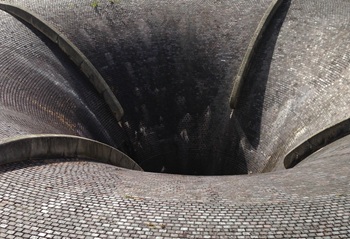
Water sector faces a growing crisis that could slow the delivery of vital infrastructure.
Undervaluing our industrial past
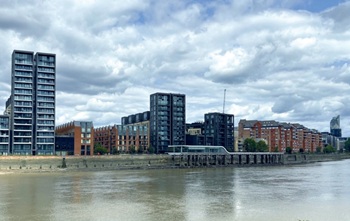
Heritage value changes as taste for building styles changes.
Changing expectations around competence and compliance
New information sheet from CIAT.
Grenfell investigation files passed to CPS

Angela Rayner apologises on behalf of the British state.

Electrical contractors need to understand the practical implications.

The real barrier to getting more value from digital technology.

Your guide to The Construction Reset at UKCW Birmingham.
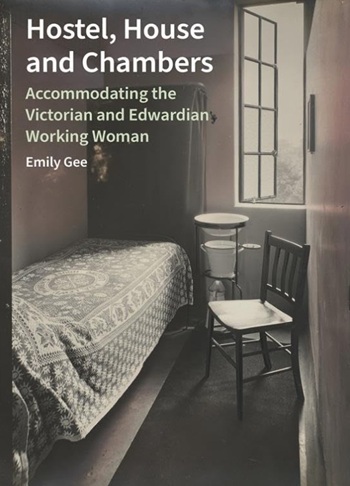
Accommodating the Victorian and Edwardian working woman. Book review.
Rethinking passive fire protection in design

PFP demands the same level of design rigour as structure or services.
38% of Gen Zs feel safe when a fire door is wedged open.