





Comprehensive Solutions for Mobile Stone Crushers for Mountainous Projects in Latin America
Contents |
[edit] Introduction
Mountainous terrain across Latin America, from the soaring Andes to the dense ranges of Central America, presents both immense opportunity and significant challenge for the aggregate and mining industries. These regions are rich in valuable mineral deposits and are often the focal points for critical infrastructure projects like hydroelectric dams, winding highways, and remote mining operations. However, the very geography that holds the resource also complicates its extraction and processing. Traditional stationary crushing setups are often logistically infeasible and economically prohibitive in such rugged, inaccessible environments. This is where a purpose-built mobile stone crusher becomes not just an advantage, but a necessity. The ability to bring the processing plant directly to the raw material source—whether for a large-scale copper mine in Peru or a highway expansion through the Colombian cordillera—is revolutionising project viability. Success in these demanding conditions, however, requires more than just mobility; it demands a comprehensive solution encompassing the right machine design, meticulous planning, and robust operational support to tackle altitude, slope, and isolation head-on.

[edit] The Unique Challenges of Mountainous Operations
Operating a stone crusher plant in high-altitude, sloped terrain introduces a distinct set of obstacles that must be proactively addressed. Understanding these is the first step toward developing an effective solution.
[edit] 1. Extreme Terrain and Accessibility
- Steep and Unstable Slopes: Establishing a level, stable operating platform is a primary concern. Unprepared slopes can lead to machine instability and serious safety hazards.
- Poor or Non-Existent Road Networks: Transporting equipment, spare parts, fuel, and personnel to remote sites is a major logistical and cost hurdle.
- Limited Operating Space: Mountain sites often offer confined areas for equipment setup and material stockpiling, requiring compact and efficient plant layouts.
[edit] 2. High-Altitude Environmental Factors
- Reduced Engine and Human Performance: At altitudes above 2,500 meters, engines can lose significant power (often 1% per 100 meters above sea level), while operators may experience fatigue. Equipment must be specifically calibrated or turbocharged to compensate.
- Extreme Temperature Swings: Operations may face freezing temperatures at night and intense solar radiation during the day, testing the durability of hydraulic systems, oils, and structural components.
- Increased Environmental Sensitivity: Erosion control, dust suppression, and water management are critical to prevent downstream environmental impact, often under strict regulatory scrutiny.
[edit] 3. Logistics and Maintenance Complexities
- Extended Supply Chains: The remoteness of sites delays the delivery of wear parts (like liners for a jaw crusher) and critical components, making unscheduled downtime extremely costly.
- On-Site Maintenance Difficulties: Performing major repairs or component changes on a slope or in limited space requires careful planning and specialised equipment.

[edit] Designing the Optimal Mobile Crushing Setup
Selecting and configuring the right mobile equipment portfolio is the cornerstone of a successful mountainous project. The solution must prioritise power, stability, and process efficiency.
[edit] Crusher Selection: Matching the Machine to the Mountain
The heart of any operation is the crusher itself. For primary crushing in hard rock mountainous applications, a robust jaw crusher is frequently the preferred choice.
Why a Mobile Jaw Crusher? Its sturdy, simple design is well-suited to abrasive materials like granite and basalt common in mountain ranges. Modern mobile jaw crushers offer:
- High Reduction Ratio: Capable of handling large boulders directly from the blast site.
- Hydraulic Adjustment: Allows quick setting changes to control product size, crucial for meeting specific aggregate specifications for concrete or asphalt.
- Integrated Pre-Screening: Many models feature a grizzly feeder to bypass fine material, increasing overall capacity and reducing wear.
[edit] Mobility and Stability: The Tracked Advantage
For true mountainous terrain, a tracked undercarriage is almost always non-negotiable.
- Superior Traction and Slope Capability: Tracked plants can operate on steeper inclines (typically up to 25-30 degrees) where wheeled units would be unsafe.
- Low Ground Pressure: They distribute the plant's weight over a larger area, preventing sinking in softer subsoils and minimising site preparation.
- On-Site Mobility: They can be easily repositioned around the site under their own power to follow the face or optimise logistics.
[edit] Ancillary Equipment: Creating an Integrated System
A crusher alone does not make a solution. The entire flow must be mobile and efficient.
- Mobile Screens: Tracked sizing screens are essential for closed-circuit operations, allowing for the immediate separation of on-spec product and the recirculation of oversize material.
- Mobile Conveyors: Radial stackers and shifting conveyors enable efficient stockpiling in tight spaces, reducing reliance on wheel loaders and their associated fuel and maintenance costs.
- Power Units: In remote locations without grid connection, a dedicated mobile diesel generator or the plant’s own integrated genset is vital.
[edit] Operational Strategies for Success
With the right equipment in place, execution is key. The following strategies turn a capable mobile stone crusher plant into a reliable, productive asset.
[edit] Pre-Deployment Site Planning and Preparation
- Detailed Geotechnical and Topographical Survey: Understand ground bearing capacity and precisely plan the optimal plant location and platform construction.
- Engineered Platform Construction: Create stable, levelled work areas using excavated material or imported fill, reinforced with geotextiles if necessary. Proper drainage is imperative.
- Strategic Stockpile Zoning: Plan material flow to minimise re-handling. Position stockpiles for safe, stable access and in consideration of wind direction for dust management.
[edit] Implementing Robust Maintenance and Support Protocols
- High-Altitude Engine Tuning: Ensure all engines (crusher, generator, carriers) are calibrated by the manufacturer or a qualified dealer for the specific operating altitude to maintain rated power and efficiency.
- Predictive Parts Inventory: Based on wear rates, maintain a strategic on-site inventory of high-consumption parts (jaw dies, screen meshes, conveyor belts, filters). This is crucial for a jaw crusher, where timely die changes maintain product shape and throughput.
- Localised Support Partnerships: Establish service agreements with local mechanical and hydraulic workshops, even if they are hours away, to ensure faster response than relying solely on distant OEM depots.
[edit] Prioritising Safety and Environmental Stewardship
- Comprehensive Slope Safety Measures: Implement protocols for working on inclines, including roll-over protection (ROPS), frequent stability checks, and defined escape routes.
- Advanced Dust Control Systems: Utilise integrated water spray systems with additives if needed, and consider mist cannons for stationary points like transfer stations. Enclosed conveyors and screens offer the best protection.
- Sediment and Water Runoff Management: Construct silt fences, settling ponds, and diversion channels before operations begin to comply with environmental regulations and protect local watersheds.
[edit] Conclusion: Conquering the Heights with Integrated Thinking
Tackling mountainous projects in Latin America with a mobile stone crusher is a testament to modern engineering and strategic planning. The solution is never just about purchasing a machine; it is about deploying an integrated, adaptable system designed for the rigours of altitude and slope. From selecting a powerful, track-mounted jaw crusher capable of reducing hard rock, to implementing meticulous site management and localised support plans, every detail contributes to overcoming isolation and harsh conditions. By embracing this comprehensive approach—where equipment selection, operational strategy, and environmental responsibility are interlinked—contractors and mining companies can unlock the vast mineral and aggregate wealth of the continents’ mountains safely, efficiently, and profitably. The peak of productivity is reached not by fighting the terrain, but by adapting to it with the right tools and knowledge.
Featured articles and news
Costs and insolvencies mount for SMEs, despite growth

Construction sector under insolvency and wage bill pressure in part linked to National Insurance, says report.
The place for vitrified clay pipes in modern infrastructure
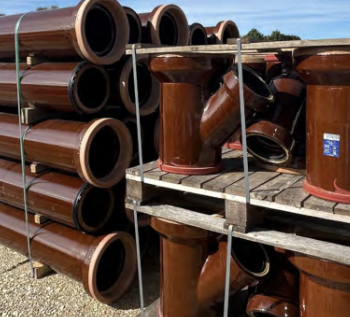
Why vitrified clay pipes are reclaiming their role in built projects.

Research by construction PR consultancy LMC published.
Roles and responsibilities of domestic clients

ACA Safety in Construction guide for domestic clients.
Fire door compliance in UK commercial buildings

Architect and manufacturer gives their low down.
Plumbing and heating for sustainability in new properties

Technical Engineer runs through changes in regulations, innovations in materials, and product systems.
Awareness of the Carbon Border Adjustment Mechanism
What CBAM is and what to do about it.
The new towns and strategic environmental assessments
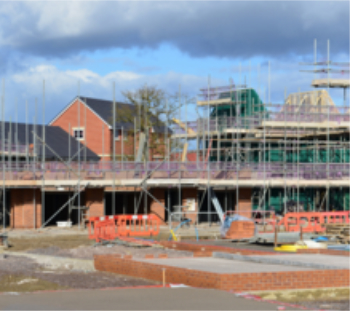
12 locations of the New Towns Taskforce reduced to 7 within the new towns draft programme and open consultation.

Buildings that changed the future of architecture. Book review.
The Sustainability Pathfinder© Handbook
Built environment agency launches free Pathfinder© tool to help businesses progress sustainability strategies.

Government outcome to the late payment consultation, ECA reacts.
IHBC 2025 Gus Astley Student Award winners

Work on the role of hewing in UK historic conservation a win for Jack Parker of Oxford Brookes University.
Future Homes Building Standards and plug-in solar
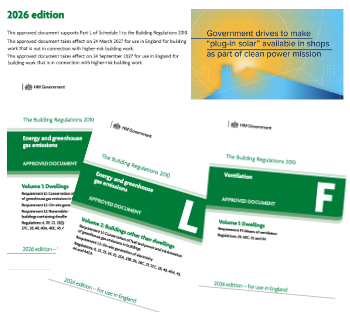
Parts F and L amendments, the availability of solar panels and industry responses.
How later living housing can help solve the housing crisis

Unlocking homes, unlocking lives.
Preparing safety case reports for HRBs under the BSA

A new practical guide to preparing structural inputs for safety cases and safety case reports published by IStructE.
Male construction workers and prostate cancer

CIOB and Prostate Cancer UK encourage awareness of prostate cancer risks, and what to do about it.