





Types of structure

|
[edit] What is a structure?
Within the context of the built environment, the term ‘structure’ refers to anything that is constructed or built from interrelated parts with a fixed location on the ground. This includes buildings, but can refer to any body that is designed to bear loads, even if it is not intended to be occupied by people (engineers sometimes refer to these as 'non-building' structures – such as bridges, tunnels, and so on).
[edit] What are the main classification types for structures?
Structures can be classified in a number of ways:
- Type.
- Structural system.
- Application.
- Form.
- Material.
- Element.
- Overall shape.
[edit] How are structures defined by type?
Types of structural systems include:
[edit] How are structures defined by system?
Types of structural system include:
[edit] How are structures defined by application?
Applications of structures include:
- Building.
- Aqueducts and viaducts.
- Bridges.
- Canals.
- Cooling towers and chimneys.
- Dams.
- Railways.
- Roads.
- Retaining walls.
- Tunnels.
- Coastal defences.
[edit] How are structures defined by form?
- One-dimensional: Ropes, cables, struts, columns, beams, arches.
- Two-dimensional: Membranes, plates, slabs, shells, vaults, domes, synclastic, anticlastic.
- Three-dimensional: Solid masses.
- Composite. A combination of the above.
[edit] How are structures defined by material?
Structural materials include:
- Timber and similar materials such as bamboo, plywood, and engineered timber.
- Concrete.
- Metal: Steel, aluminium and so on.
- Masonry: Brick, block, stone and so on.
- Glass.
- Adobe, earth, clay, cob and so on.
- Fabric, such as fabric membranes.
- Composite, such as structural insulated panels.
[edit] How are structures defined by element?
Structural elements include:
- Substructure.
- Superstructure.
- Foundation.
- Roof.
- Shell and core.
- Structural frame.
- Floor.
- Wall: loadbearing walls, compartment walls, external walls, retaining walls.
See Elements of structure in buildings for more information.
[edit] How are structures defined by overall shape.
Overall shapes of structures include:
- Low-rise.
- Multi-storey.
- Mid-rise.
- High rise.
- Groundscraper.
- Skyscraper.
- Supertall.
- Megatall.
- Super-slender
- Megastructure.
- Anticlastic.
- Synclastic.
- Hyperbolic paraboloid.
- Conoid.
- Tower.
- Dome.
[edit] Related articles on Designing Buildings
- Civil engineer.
- Deflection.
- Elements of structure in buildings
- Engineer.
- Platform construction.
- Span.
- Structure.
- Structural engineer.
- Structural principles.
- Substructure.
- Superstructure.
- The development of structural membranes.
- Types of beam.
- Types of building.
- Types of column.
- Types of construction.
- Types of wall.
- Types of structural load.
Featured articles
Check out some of the best features and news from Designing Buildings as well as key stories from around the web.

Accommodating the Victorian and Edwardian working woman. Book review.
Rethinking passive fire protection in design

PFP demands the same level of design rigour as structure or services.

38% of Gen Zs feel safe when a fire door is wedged open.
Stunning images from around the world

Shortlist for CIOB’s Art of Building photography competition.

Guidance for conversion of traditional pre-1919 stone buildings.
Industrial heritage in the Ruhr

A marked difference to the fate of industrial landscapes in the UK.

Communities will be able to build their own clean energy.
Why diversity and inclusion matters for SMEs

CIOB’s D&I Charter shows how practical changes can support long-term growth.
Cut electricity bills to power growth

Coalition sends joint letter to the Chancellor.

Gasholders: a history in pictures. Book review.
Recognition, influence and growth

SocEnv identifies three strategic pillars in new strategy to 2045.
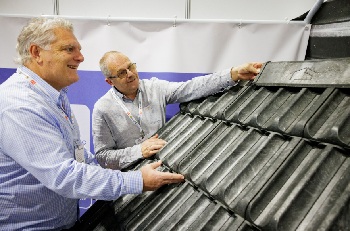
Discover the future of roofing, cladding and insulation.
Comments
[edit] To make a comment about this article, click 'Add a comment' above. Separate your comments from any existing comments by inserting a horizontal line.