





The Demand for Small-Scale Batching Plants in Rural Construction and Municipal Engineering Continues to Rise
Across the globe, a quiet transformation is underway in how infrastructure and building projects are executed outside major urban centers. In rural regions and for smaller-scale municipal projects, the traditional model of relying on large, centralized ready mix concrete plant deliveries is often impractical, inefficient, and cost-prohibitive. This logistical and economic challenge is driving a significant and sustained surge in demand for compact, agile, and efficient small-scale batching solutions. These units empower local contractors and government bodies to take concrete production directly to the job site, unlocking new levels of operational flexibility, cost control, and project feasibility. The shift towards decentralized production is not just a trend but a fundamental change in approach, enabling development in areas where it was previously too complex or expensive to build with quality concrete.
Contents |
[edit] Key Drivers Behind the Growing Demand
Several interconnected factors are fueling the increased adoption of small-scale batching plants(planta dosificadora de concreto) in rural and municipal sectors. Understanding these drivers is crucial for contractors and project managers considering this investment.
[edit] Cost-Effectiveness and Budget Management
For municipal engineering departments operating on tight public budgets and for rural contractors with slim margins, controlling costs is paramount. Transporting concrete over long distances from a central ready mix concrete plant incurs substantial freight charges, which can sometimes exceed the cost of the material itself. Furthermore, the risk of partial load charges, wasted material due to unexpected delays, and the short delivery window of ready-mix trucks add hidden expenses. A small-scale concrete batching plant established near the project site eliminates most transportation costs, allows for precise, just-in-time batching to minimize waste, and provides superior control over the overall project budget.
[edit] Accessibility and Logistical Simplification
Rural road networks, bridge weight limits, and remote job sites often pose insurmountable barriers for large transit mixers. A portable concrete batching plant(planta dosificadora de concreto portátil) solves this problem by being mobile and modular. These plants can be transported in sections on standard trucks and assembled on-site, even in locations with limited access. This capability is invaluable for projects like rural road repairs, bridge construction in valleys, or water treatment facilities in dispersed communities. It brings production to the point of consumption, simplifying logistics dramatically.
[edit] Project Flexibility and Timely Completion
Municipal engineering often involves numerous small, scattered projects such as sidewalk repairs, drainage culvert installations, or park facility upgrades. Mobilizing a large plant for each is unrealistic. A small, mobile plant can be moved from one municipal site to another with relative ease, supporting a continuous workflow. This flexibility ensures that small but critical projects are not delayed waiting for a concrete delivery slot from a distant commercial plant, thereby accelerating overall infrastructure improvement timelines.

[edit] Types of Small-Scale Plants for Different Applications
Not all small-scale plants are identical. Selecting the right type depends on the specific needs of the rural or municipal project.
[edit] Stationary Small Batching Plants
Ideal for longer-duration projects in a fixed location, such as building a community center, a small school, or a local government building. These compact versions of a full concrete batching plant offer greater storage capacity (for aggregates, cement) and higher production efficiency for sustained work. They provide the stability and output needed for a multi-month project while still being feasible to install on a temporary basis.
[edit] The Versatile Portable Concrete Batching Plant
This is the workhorse for truly mobile operations. A portable concrete batching plant is typically mounted on a single or multiple trailers, with components like mixers, conveyors, and silos designed for rapid setup and teardown. It is the go-to solution for linear infrastructure projects like laying pipeline beds, extending rural roadways, or installing fencing where the work site moves progressively. Its quick relocation capability maximizes equipment utilization across multiple projects.
[edit] Compact Volumetric Mixers
While not a traditional "plant," volumetric mixers represent the extreme end of mobile, small-scale batching. These units carry separate materials (sand, stone, cement, water) and blend them on-demand in precise proportions right at the point of discharge. They offer unparalleled flexibility for tiny batches, extremely remote sites, or projects with highly variable daily concrete needs, eliminating waste almost entirely.
[edit] Practical Considerations for Implementation
Adopting a small-scale batching plant requires careful planning to ensure success and return on investment.
[edit] Site Preparation and Infrastructure
Even a small plant needs a stable, level pad. Access for aggregate delivery trucks and cement tankers must be secured. Reliable water and power sources (which could be generators in remote areas) are fundamental. Planning for material storage piles with proper runoff management is also essential to prevent environmental issues.
[edit] Operational Expertise and Quality Control
Operating a batch plant requires trained personnel to manage mix design, batching procedures, and basic maintenance. Quality control is in the hands of the project team, necessitating knowledge of slump tests and cylinder casting to ensure the produced concrete meets specifications. Partnering with a supplier that offers comprehensive training is highly recommended.
[edit] Regulatory and Environmental Compliance
Local regulations regarding air quality (dust control), water runoff, and noise may apply. Modern small plants are designed with enclosures, dust collectors, and water recycling systems to meet these standards. It is critical to understand and budget for these environmental controls from the outset.

[edit] The Future of Decentralized Concrete Production
The trend toward localized production is aligned with broader movements in construction technology and sustainability. The future will see these small-scale plants become even smarter, with integrated IoT sensors for remote monitoring of material levels, production data, and predictive maintenance alerts. This will enhance efficiency and reduce the skill barrier for operation. Furthermore, the ability to produce concrete locally significantly cuts the carbon emissions associated with long-distance transport from a large ready mix concrete plant(planta de concreto premezclado), contributing to greener construction practices.
In conclusion, the rising demand for small-scale batching plants is a rational and powerful response to the practical challenges of rural and municipal construction. By offering a pragmatic solution to cost, logistics, and flexibility constraints, these plants are becoming indispensable tools for building and maintaining the essential infrastructure that supports communities beyond the city limits. They represent a democratization of concrete production, putting the capability to build with high-quality materials directly into the hands of local developers and governments.
Featured articles and news
Costs and insolvencies mount for SMEs, despite growth

Construction sector under insolvency and wage bill pressure in part linked to National Insurance, says report.
The place for vitrified clay pipes in modern infrastructure
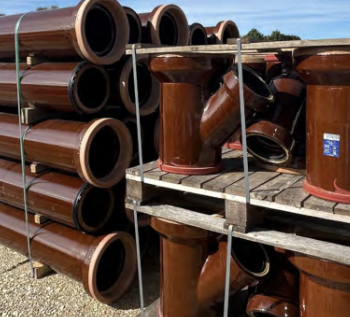
Why vitrified clay pipes are reclaiming their role in built projects.

Research by construction PR consultancy LMC published.
Roles and responsibilities of domestic clients

ACA Safety in Construction guide for domestic clients.
Fire door compliance in UK commercial buildings

Architect and manufacturer gives their low down.
Plumbing and heating for sustainability in new properties
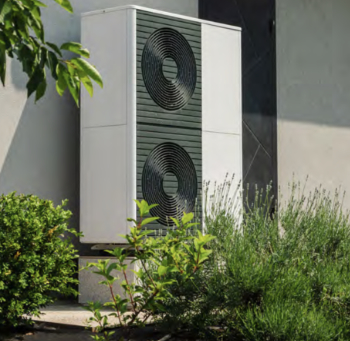
Technical Engineer runs through changes in regulations, innovations in materials, and product systems.
Awareness of the Carbon Border Adjustment Mechanism
What CBAM is and what to do about it.
The new towns and strategic environmental assessments
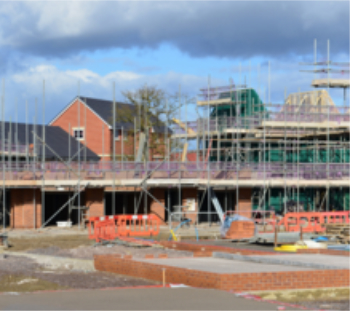
12 locations of the New Towns Taskforce reduced to 7 within the new towns draft programme and open consultation.

Buildings that changed the future of architecture. Book review.
The Sustainability Pathfinder© Handbook
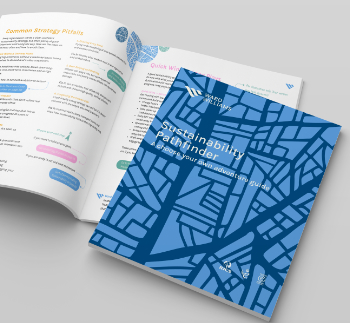
Built environment agency launches free Pathfinder© tool to help businesses progress sustainability strategies.

Government outcome to the late payment consultation, ECA reacts.
IHBC 2025 Gus Astley Student Award winners

Work on the role of hewing in UK historic conservation a win for Jack Parker of Oxford Brookes University.
Future Homes Building Standards and plug-in solar
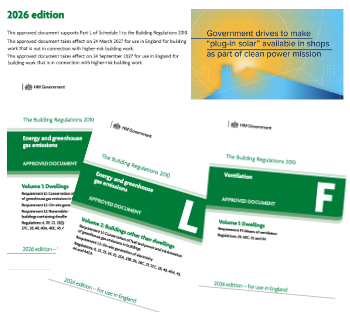
Parts F and L amendments, the availability of solar panels and industry responses.
How later living housing can help solve the housing crisis

Unlocking homes, unlocking lives.
Preparing safety case reports for HRBs under the BSA

A new practical guide to preparing structural inputs for safety cases and safety case reports published by IStructE.
Male construction workers and prostate cancer

CIOB and Prostate Cancer UK encourage awareness of prostate cancer risks, and what to do about it.