





Building
The word ‘building' is commonly considered to refer to an enclosure within which activities can be carried out. It is a structure, usually consisting of a roof, walls, floors and openings such as doors and windows that is generally (but not always) positioned permanently in one location.
The Building Regulations suggest that the word 'building' refers to: ‘...any permanent or temporary building but not any other kind of structure or erection’. That is, a tunnel, or bridge for example would not be considered to be a building.
The origins of buildings can be traced back over 44,000 years to the ice age and the Siberian Steppe, where remains have been found of simple shelters constructed from animal skins draped between sticks.
These ‘tented’ structures thrived in regions where materials were scarce, or where survival required mobility; both conditions which tended to be brought about by low rainfall. Changing climates brought about a slow transition from nomadic tents to permanent huts and vice versa, and it was from the resultant process of intermediate modification that an enormous range of composite buildings evolved.
Some of these basic generic forms of structure are still used in remarkably un-changed forms throughout the world today, for example; the black tent, the mud brick hut and the yurt (a composite structure still in common use in Mongolia).
As well as being a noun, the word ‘building’ is also used as a verb describing the act of constructing or making the thing itself. For more information see: Building work.
Buildings serve a diverse range of societal needs, but fundamentally they create shelter, providing a physical division between the inside and outside environments to provide:
- Protection from wind, rain, solar radiation, snow and so on.
- Regulation of the indoor environment in terms of temperature, humidity, moisture and so on.
- Privacy for occupants.
- A barrier to the transmission of noise.
- Security for occupants and the building contents.
- Safety, for example preventing the spread of fire or smoke.
This differs from the more general term ‘structure’ which within the context of the built environment refers to anything that is constructed or built from interrelated parts with a fixed location on the ground. This includes buildings, but can also refer to any body that is designed to bear loads, such as a communications mast.
There are a very wide variety of buildings that have been constructed and used throughout history, in all manner of shapes, sizes and functions, and using all kinds of different materials. For more information, see Types of building.
NB The Scottish Building Standards, Part I. Technical Handbook – Domestic, Appendix A Defined Terms, suggests that:
|
Building means any structure or erection, whether temporary or permanent, other than a structure or erection consisting of, or ancillary to:
Any references to a building include references to a prospective building. Any references to a building, structure or erection include references to a part of the building, structure or erection. In relation to the extension, alteration or conversion of a building, references to a building are to so much of the building as is comprised in the extension or the subject of the alteration or conversion. |
[edit] Related articles on Designing Buildings Wiki
- Architectural styles.
- Building complex.
- Building component.
- Building element.
- Building design.
- Building pathology.
- Building regulations.
- Building related illness.
- Building spaces definition.
- Building technology.
- Building works.
- Buildings of the week series.
- Construction works.
- Housing stock / building stock.
- Land.
- New build.
- Structure definition.
- The building as climate modifier.
- Types of building.
- Unusual buildings.
- Use class.
Featured articles
Check out some of the best features and news from Designing Buildings as well as key stories from around the web.
Undervaluing our industrial past

Heritage value changes as taste for building styles changes.
Changing expectations around competence and compliance

New information sheet from CIAT.
Grenfell investigation files passed to CPS

Angela Rayner apologises on behalf of the British state.

Electrical contractors need to understand the practical implications.

The real barrier to getting more value from digital technology.

Your guide to The Construction Reset at UKCW Birmingham.

Accommodating the Victorian and Edwardian working woman. Book review.
Rethinking passive fire protection in design

PFP demands the same level of design rigour as structure or services.

38% of Gen Zs feel safe when a fire door is wedged open.
Stunning images from around the world
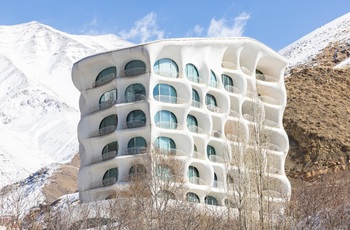
Shortlist for CIOB’s Art of Building photography competition.
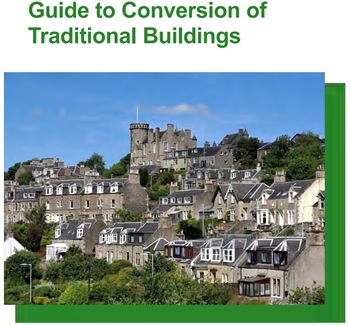
Guidance for conversion of traditional pre-1919 stone buildings.
Industrial heritage in the Ruhr
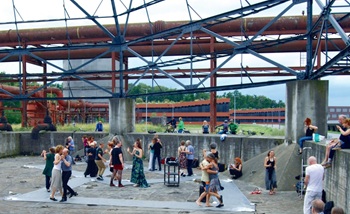
A marked difference to the fate of industrial landscapes in the UK.