




Artificial turf
[edit] Introduction
Artificial turf is a manufactured surface designed to resemble natural grass. It consists of synthetic fibres attached to a backing material and is installed over a prepared base. Depending on its intended use, the system may also include infill, shock-absorbing layers and drainage components.
Artificial turf is used in a range of environments, including sports facilities, schools, public spaces, commercial landscapes and residential developments. Its properties vary according to the materials, manufacturing methods and construction of the complete system.
Unlike natural grass, artificial turf does not require sunlight or biological growth to maintain its appearance. However, it still requires appropriate installation, cleaning and maintenance. Its suitability depends on factors such as intended use, surface performance, environmental conditions and whole-life costs.
[edit] Types of artificial turf
Artificial turf is generally classified according to its intended application. Different applications require different fibre characteristics, surface structures and supporting systems.
[edit] Sports Artificial Turf
Sports artificial turf is designed for playing surfaces such as football pitches, rugby fields, hockey facilities and multi-sport areas. Its construction depends on the requirements of the sport, including player-surface interaction, ball behaviour, traction and impact absorption.
Sports systems may use longer or shorter fibres, different tufting densities and various infill arrangements. Some systems use sand or rubber infill to support the fibres and influence surface performance, while others are designed without performance infill.
The selection of a sports surface should be based on the relevant sport-specific performance requirements rather than appearance alone.
[edit] Landscape Artificial Turf
Landscape artificial turf is used in gardens, commercial developments, schools, balconies and rooftop spaces. It is generally designed to provide a consistent green surface without the mowing and irrigation associated with natural lawns.
Its characteristics can vary according to pile height, fibre shape, density, colour and backing construction. Different products are available for areas with varying levels of foot traffic and exposure to weather.
[edit] Multi-purpose Artificial Turf
Multi-purpose artificial turf is used in spaces where several activities may take place on the same surface. Examples include school grounds, recreational areas and community facilities.
These systems need to accommodate different patterns of use. Their design may involve compromises between surface comfort, durability, drainage and the performance requirements of individual activities.
[edit] Materials used in artificial turf
The performance of artificial turf is influenced by the polymers used for the fibres, as well as the materials used in the backing and coating.
[edit] Synthetic Fibres
The main polymers used in artificial turf fibres include polyethylene (PE), polypropylene (PP) and nylon (polyamide).
- Polyethylene (PE): Commonly used for sports and landscape applications. It has a relatively soft feel and is available in different fibre shapes and structures.
- Polypropylene (PP): Used in some turf products, including thatch fibres and certain backing applications. Its properties and suitability depend on the product design.
- Nylon (polyamide): Offers relatively high strength and resilience. It is often used where resistance to deformation is important, although its cost and surface characteristics may limit its use in some applications.
Fibre performance is also affected by factors such as polymer formulation, cross-sectional shape, yarn construction, pile height and linear density (Dtex).
[edit] Backing Materials
The backing holds the tufted fibres in position and provides dimensional stability to the turf carpet.
Primary backing is commonly manufactured from woven or non-woven polypropylene materials. The fibres are tufted through this layer during production.
A secondary backing or coating is then applied to help secure the tufts and improve the overall integrity of the carpet. Common coating materials include latex and polyurethane (PU). Their characteristics differ in areas such as flexibility, adhesion, moisture resistance and manufacturing requirements.
The choice of backing system depends on the intended application and the performance requirements of the finished product.
[edit] Structure and components of artificial turf systems
An artificial turf carpet is only one part of a complete installation. Depending on the application and site conditions, the overall system may contain several additional layers and components.
[edit] Turf Carpet
The turf carpet forms the visible playing or landscaping surface. It consists of synthetic fibres tufted into a primary backing and secured by a secondary coating.
Pile height, stitch rate, yarn construction and fibre density influence the appearance and functional characteristics of the surface.
[edit] Infill Materials
Infill is placed between the synthetic fibres in certain artificial turf systems. It helps support the fibres and can influence surface stability, ball behaviour and player-surface interaction.
Common infill materials include silica sand, rubber granules, EPDM, TPE and alternative materials developed for specific applications. Not all artificial turf systems require infill.
The type and quantity of infill should be determined by the intended use and the technical specification of the surface.
[edit] Shock Pads
Shock pads are resilient layers installed beneath the turf carpet in some sports applications. They are designed to contribute to impact absorption and control the dynamic properties of the playing surface.
Their thickness and material composition vary according to the required performance and the design of the complete system.
[edit] Sub-base and Drainage
The sub-base provides a stable foundation for the artificial turf installation. It may consist of compacted aggregate, engineered materials or other specified construction layers.
Drainage provisions are designed to manage water passing through the turf and underlying structure. Depending on the site, these may include permeable base layers, drainage pipes, channels and suitable water outlets.
The design of these components should take account of ground conditions, rainfall, surface gradients and the intended use of the installation.
[edit] Applications of artificial turf
Artificial turf is used in different types of built environments where a consistent synthetic grass surface is required.
[edit] Sports Facilities
Sports pitches are among the main applications of artificial turf. It is used in professional and community sports facilities, training grounds, school playing fields and recreational areas.
The surface specification needs to reflect the requirements of the sport. For example, football turf is assessed for characteristics including ball roll, ball rebound, shock absorption, rotational resistance and durability.
FIFA operates a Quality Programme for Football Turf, which includes laboratory testing of products and field testing of completed installations.
[edit] Schools and Public Spaces
Artificial turf can be installed in school playgrounds, recreational areas and other public spaces. These applications may require consideration of accessibility, impact attenuation, drainage, cleaning and the intensity of use.
Where the surface is intended for play areas, relevant playground safety requirements should also be considered. Artificial turf alone does not automatically provide a compliant impact-absorbing surface.
[edit] Commercial and Residential Landscapes
Artificial turf is used in commercial developments, residential gardens, hospitality settings and other landscaped areas.
It can provide a consistent surface in locations where natural grass may be difficult to establish or maintain. However, surface temperature, drainage, exposure to sunlight and expected foot traffic should be considered during product selection.
[edit] Rooftops and Other built Environments
Artificial turf may also be used on balconies, terraces and rooftop developments. These installations require particular attention to waterproofing, drainage, load capacity and access for maintenance.
The turf system should not interfere with the building's waterproofing layer or existing drainage provisions. Its installation should be coordinated with the wider roof construction design.
[edit] Installation of artificial turf
The installation process varies according to the type of turf, the site conditions and the intended application. Sports facilities generally require more extensive groundworks and performance considerations than smaller landscape installations.
[edit] Site Preparation
The existing ground should be assessed before installation. This may involve removing vegetation, unsuitable soil, debris and existing surface materials.
The formation level is then prepared to provide a stable foundation. Ground conditions, levels and gradients should be checked against the project design.
[edit] Sub-base and Drainage Construction
A suitable sub-base is installed and compacted to provide a stable and appropriately graded surface.
Drainage systems may include permeable aggregate layers, perforated pipes and connections to approved water outlets. The design should ensure that water can move through the system without causing prolonged waterlogging or damage to the underlying construction.
The drainage arrangement should be determined by the site's ground conditions, rainfall and local requirements.
[edit] Turf Laying and Seam Joining
Artificial turf rolls are positioned over the prepared base and cut to the required dimensions. Adjacent sections are joined using suitable jointing tape and adhesive or other specified joining methods.
The direction of the fibres should be considered when positioning the rolls to maintain a consistent appearance. Seams should be aligned and secured correctly to reduce the risk of separation during use.
[edit] Infill and Finishing
Where the system requires infill, it is distributed evenly across the surface and worked into the fibres using appropriate equipment.
The completed installation should be checked for surface regularity, seam integrity, drainage and other requirements specified for the project. For sports facilities, the finished surface may also require independent performance testing.
[edit] Performance and maintenance considerations
The performance of artificial turf depends on the interaction between the surface materials, system construction, installation quality and maintenance programme.
Durability is influenced by fibre polymer, yarn construction, tufting density, backing integrity and the intensity of use. Exposure to ultraviolet radiation, temperature changes and weather conditions can also affect material ageing.
Drainage performance depends not only on the permeability of the turf carpet but also on the supporting layers and the drainage outlet. A permeable carpet cannot compensate for an inadequately designed or blocked sub-base drainage system.
Maintenance requirements vary by application. Typical activities include removing leaves and debris, brushing fibres, checking seams, replenishing or redistributing infill where applicable, and inspecting drainage components.
Sports surfaces may require more specialised maintenance to maintain consistent playing characteristics and safety. Regular inspection and maintenance can help identify wear, displaced infill and damaged seams before these problems become more extensive.
[edit] Environmental Considerations
The environmental impact of artificial turf should be assessed across its life cycle, from raw material production and installation to maintenance, removal and disposal.
Artificial turf can reduce the need for routine mowing and, in some applications, irrigation. However, these benefits need to be considered alongside the use of synthetic polymers, manufacturing energy, surface heating, cleaning requirements and end-of-life waste.
Infill loss is an important environmental consideration for some sports installations. The European Chemicals Agency (ECHA) has identified granular infill used on artificial turf pitches as a significant source of microplastic releases. Measures to reduce the loss of infill and manage surface runoff are therefore relevant to the design and operation of these facilities.
Material selection and system design can also influence recyclability. Some products use combinations of different polymers, backing materials and coatings, which can make separation and recycling more difficult. Designing for material recovery, selecting suitable components and planning for end-of-life management can help reduce waste.
The environmental suitability of an artificial turf installation therefore depends on its intended use, local regulations, material composition, maintenance arrangements and disposal options.
[edit] Related articles on Designing Buildings
- External works
- Green roofs
- Green space
- Land drainage products explained
- Microplastics
- Planting in the built environment
- Site preparation
- Surface drainage
[edit] References and Further Reading
Featured articles
Check out some of the best features and news from Designing Buildings as well as key stories from around the web.

CIOB reports 57% are using artificial intelligence technologies.
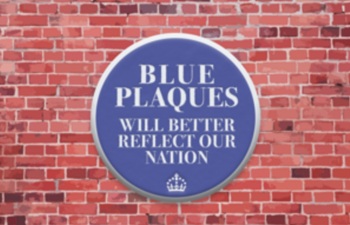
More of England’s ‘hidden heroes’ will be celebrated.

CIAT calls for retrofit to be a priority.

Version 6 is now available, along with guidance for ECA members.

Post-War Homes: mid-century British architecture. Book review.

CIAT reflects on the party conferences.
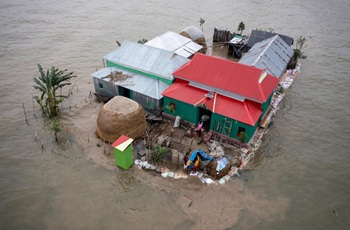
CIOB announce the winners of the Art of Building photography competition.
National Scheme of Delegation introduced.
The cost of employing people remains a concern.
Code of Practice for Electrical Energy Storage Systems.

ECA calls on members to comment on draft 4th edition.

Bringing together expertise and creating cultural benefits.

CIOB celebrates positive Ofsted report.