





A quick guide to garden sprinkler system installation
[edit] Introduction
A vibrant and flourishing garden requires more than just sunlight and soil. Adequate and efficient watering is essential for the health and beauty of your plants. One of the most effective ways to achieve this is through a well-designed sprinkler system. In this comprehensive guide, we will delve into the world of sprinkler systems, providing you with a step-by-step walk through on how to install one, and exploring the benefits of professional sprinkler system installation services.
[edit] Understanding the basics of sprinkler systems
Before diving into the installation process, it's crucial to grasp the fundamental components of a sprinkler system installation. These systems typically consist of a network of pipes, valves, sprinkler heads, and a controller. The controller serves as the brain of the system, allowing you to set watering schedules and customise the duration and frequency of watering.
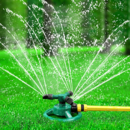
Sprinkler heads come in various types, including fixed spray, rotary, and drip, each catering to different watering needs. Understanding these basic components is essential for a successful sprinkler system installation.
[edit] Planning your sprinkler system
The key to a successful sprinkler system installation lies in meticulous planning. Start by mapping out your garden and identifying areas that require watering. Take into account factors such as plant types, sun exposure, and soil conditions, as these will influence your watering schedule.
Once you have a clear picture of your garden's layout, determine the water pressure and flow rate of your water source. This information is crucial for selecting the right pipes, valves, and sprinkler heads to ensure uniform water distribution.
[edit] Gathering materials and tools
With a well-thought-out plan in place, it's time to gather the materials and tools needed for your sprinkler system installation. This includes PVC pipes, pipe fittings, control valves, sprinkler heads, a controller, PVC primer, and cement. Additionally, you'll need excavation tools such as a shovel and a trenching tool to create channels for the pipes.
Choosing high-quality materials is essential for the longevity and efficiency of your sprinkler system. Invest in durable pipes and fittings to prevent leaks and ensure a reliable water supply to your garden.
[edit] Installing the sprinkler system
Now comes the hands-on part – installing your sprinkler system. Begin by digging trenches for the mainline pipes, ensuring they follow the planned layout of your garden. Install control valves at strategic points to divide the system into zones, allowing for customised watering in different areas.
Connect the PVC pipes and fittings, securing them with primer and cement to create a watertight seal. As you install the pipes, incorporate risers to support the sprinkler heads at the desired height. Attach the sprinkler heads to the risers, making sure they are level with the soil surface.
Once the mainline is in place, connect it to the controller. Program the controller with your desired watering schedule, taking into account factors such as local weather conditions and the specific needs of your plants.
[edit] Testing and adjusting
After the installation is complete, it's crucial to test and adjust your sprinkler system to ensure optimal performance. Turn on each zone individually and inspect for leaks, uneven water distribution, or any other issues. Adjust the direction and range of the sprinkler heads as needed to achieve uniform coverage.
Fine-tune the watering schedule on the controller based on the performance of your system and the evolving needs of your garden. Regular testing and adjustments are key to maintaining an efficient and water-conserving sprinkler system.
[edit] Benefits of professional sprinkler system installation services
While a DIY sprinkler system installation can be rewarding, there are distinct advantages to enlisting professional sprinkler system installation services. Experienced professionals bring in-depth knowledge of irrigation systems, ensuring that your installation adheres to local codes and standards.
Professional installers can accurately assess factors such as water pressure, soil conditions, and plant types to design a system tailored to your specific needs. Their expertise minimises the risk of common pitfalls, such as overwatering or inadequate coverage, which can arise from DIY installations.
Furthermore, professional installation services often come with warranties, providing you with peace of mind and assurance in the durability of your sprinkler system. In the long run, investing in professional installation can save you time, effort, and potential headaches associated with troubleshooting and repairs.
[edit] Conclusion
A well-designed and properly installed sprinkler system is the key to a thriving and lush garden. By understanding the basics, planning meticulously, and following a systematic installation process, you can create an efficient watering system that caters to the unique needs of your plants.
Whether you embark on a DIY installation or opt for professional sprinkler system installation services, the benefits are undeniable. A thoughtfully installed sprinkler system not only enhances the beauty of your garden but also conserves water and simplifies the task of garden maintenance. Make your garden thrive with the transformative power of a well-executed sprinkler system.
--Sprinkler System Installation
[edit] Related articles on Designing Buildings
- Allotment.
- Case study A for offices to show where automatic sprinklers have the greatest impact.
- Costs of water automatic sprinkler systems.
- Design benefits of automatic sprinkler systems granted under approved document B.
- Drenchers.
- Fire in buildings.
- Garden cities.
- Garden land.
- Gazebo.
- Green roof.
- Growing space.
- Hardy Plants and Plantings for Repton and Late Georgian Gardens (1780-1820).
- Hydroponics.
- Irrigation.
- Landscape architect.
- Landscape design.
- Lawn.
- Low maintenance plants.
- Major Henry De Bude.
- Rainwater harvesting.
- Water engineering.
- Overview of automatic sprinkler system design and operation.
- Rain garden.
- Rainwater harvesting.
- Seeding and turfing.
- Sharawadgi.
- Soft landscape.
- Sprinkler head.
- Sprinkler system.
- Sprinkler systems explained: A guide to sprinkler installation standards and rules.
- The impact of automatic sprinklers on building design.
- The secret life of the Georgian garden.
- Topiary.
- Types of garden fountain.
- Watermist systems for fire protection in domestic and residential buildings DG 534.
Featured articles and news

We're expanding our collaborative mission by launching DB Intelligence, an exclusive market research advisory panel. Built environment professionals can now get paid to share their expertise on industry trends, products and services.
Panel members receive direct financial incentives for participating in research projects like short surveys, 1-2-1 interviews and focus groups. Register today to shape the future of the construction sector.
Planning condition discharge in England and Wales

A brief exoplanation from a building compliance expert, with further links.
Overheating guidance and tools for building designers

Guidance for dealing with element of building fabric control that have increasing importance.
Shading for housing, a design guide

From the Good Homes Alliance and British Blind and Shutter Association.
UK Standard Skills Classification (SSC)

A shared framework for describing skills needs.
Social media ban consultation comes to close

CIOB urges UK Government to consider social media’s role in careers guidance in ban debate.
The latest of eight Skills England apprenticeship units

The addition of battery manufacturing welcomed by ECA with a warning about the risks of fast-tracked apprenticeship units.
Building Control Independent Panel final report

A precis of a key report led by Dame Hackitt with full recommendations and link to the government response.
Building Safety recap April, 2026

A short and longer run-through of the month, with links to further information and sources.

CIAT May 2026 briefing.

From medieval scribes to modern word art.

ECA welcomes crackdown on late payment and push for clean energy, whilst CIOB seek fixed cladding removal timeframes.
Cyber Security in the Built Environment

Protecting projects, data, and digital assets: A CIOB Academy TIS.
Managing competence in the built environment

ITFG publishes new industry guide on how to meet the ICC principles.

The UK's campaign to reduce noise pollution: Mythbusting, articles and topic guides.