





Net internal area NIA

[edit] How is the area of a building measured?
The area of a building can be measured in a number of different ways:
- Gross external area (GEA).
- Gross internal area (GIA).
- Net internal area (NIA).
- Total useful floor area (TUFA).
- Usable floor area.
It is very important when describing the area of a building to be clear about which measure is being used, for example in property sales, planning applications, building regulations applications, lease negotiations, rating valuations, and so on.
[edit] What is the net internal area of a building?
The net internal area (NIA) of a building is the usable area measured to the internal finish of the perimeter or party walls, ignoring skirting boards, at each floor level. Net internal area includes all areas that can be used for a particular purpose. The UK government’s Valuation Office Agency (VOA) Code of measuring practice: definitions for rating purposes suggests that Net Internal Area includes:
- Kitchens.
- Any built in cupboards or units that occupy usable areas.
- Perimeter skirting boards, mouldings and trunking.
- Open circulation areas such as atria, corridors and entrance halls.
- Partition walls and other dividing elements.
Net internal area excludes:
- Internal structural walls.
- Walls (whether structural or not) enclosing excluded areas.
- Piers, columns, chimney breasts, ducts and other projections.
- Cleaner’s cupboards.
- Lifts, lift rooms, lift wells.
- Stairwells and landings.
- Stairwells, entrance halls, atria, landings and balconies used in common or for the purpose of essential access.
- Corridors and other circulation areas used in common with other occupiers or of a permanent essential nature.
- Boiler rooms, fuel stores, plant rooms and tank rooms other than those of a trade process nature.
- Car parking areas.
- Spaces occupied by cooling and heating equipment, air conditioning systems and ducting which renders the space substantially unusable.
- Areas with a headroom of less than 1.5m.
- Toilets and associated lobbies, unless additional toilets have been installed.
- Areas under the control of service or other external authorities.
NB Essential access does not include reception areas or areas capable of use and situated within entrance halls, atria and landings etc.
In relation to the term 'permanent essential nature' the code of measuring practice suggests that, 'apart from areas used in common with other occupiers, corridors excluded from NIA are those of a permanent essential nature, i.e. internal corridors between structural walls (usually found in older buildings). Fire corridors and smoke lobbies which are defined by non-structural walls - but only where they are permanent and essential to any prospective tenant of the property and do not merely serve the needs of the actual occupier. If the latter, they should be included.'
The RICS Guidance Note, A guide for Property Professionals, 6th Edition Code of measuring practice 2007, is in general agreement with the Valuation Office Agency definition, of net internal area.
[edit] Related articles on Designing Buildings
- Area.
- Case notes for rating valuation.
- Floor area ratio.
- Gross development area.
- Gross external area.
- Gross internal area.
- Gross site area.
- International Property Measurement Standards.
- Measurement.
- Measurement of existing buildings.
- Rating valuation.
- Site area.
- Size.
- Space.
- Total useful floor area.
Featured articles and news
Costs and insolvencies mount for SMEs, despite growth

Construction sector under insolvency and wage bill pressure in part linked to National Insurance, says report.
The place for vitrified clay pipes in modern infrastructure
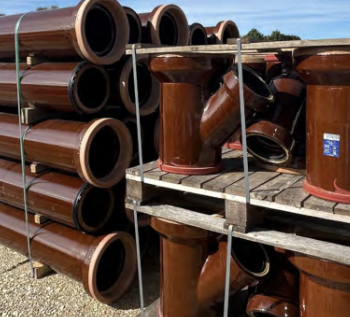
Why vitrified clay pipes are reclaiming their role in built projects.

Research by construction PR consultancy LMC published.
Roles and responsibilities of domestic clients

ACA Safety in Construction guide for domestic clients.
Fire door compliance in UK commercial buildings

Architect and manufacturer gives their low down.
Plumbing and heating for sustainability in new properties

Technical Engineer runs through changes in regulations, innovations in materials, and product systems.
Awareness of the Carbon Border Adjustment Mechanism
What CBAM is and what to do about it.
The new towns and strategic environmental assessments
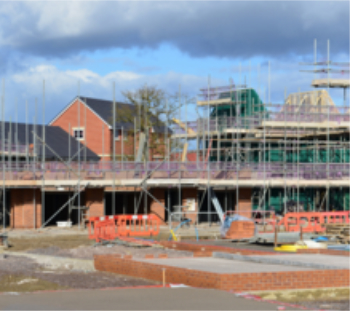
12 locations of the New Towns Taskforce reduced to 7 within the new towns draft programme and open consultation.
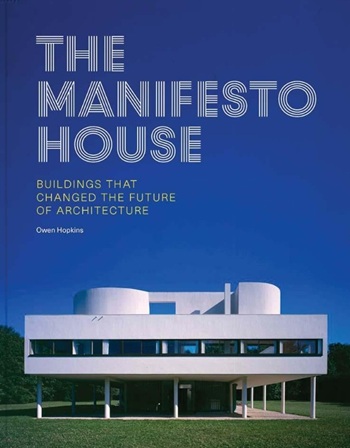
Buildings that changed the future of architecture. Book review.
The Sustainability Pathfinder© Handbook
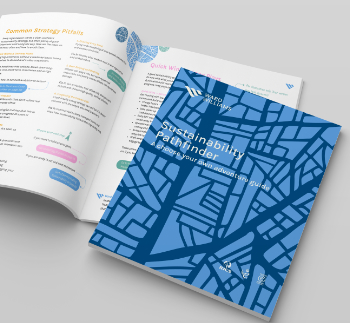
Built environment agency launches free Pathfinder© tool to help businesses progress sustainability strategies.

Government outcome to the late payment consultation, ECA reacts.
IHBC 2025 Gus Astley Student Award winners

Work on the role of hewing in UK historic conservation a win for Jack Parker of Oxford Brookes University.
Future Homes Building Standards and plug-in solar

Parts F and L amendments, the availability of solar panels and industry responses.
How later living housing can help solve the housing crisis
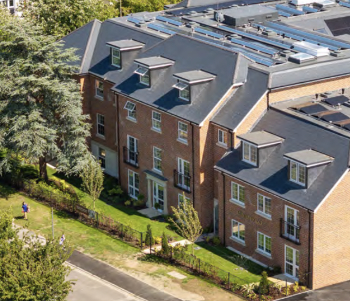
Unlocking homes, unlocking lives.
Preparing safety case reports for HRBs under the BSA

A new practical guide to preparing structural inputs for safety cases and safety case reports published by IStructE.
Male construction workers and prostate cancer

CIOB and Prostate Cancer UK encourage awareness of prostate cancer risks, and what to do about it.
Comments
[edit] To make a comment about this article, or to suggest changes, click 'Add a comment' above. Separate your comments from any existing comments by inserting a horizontal line.
Can someone explain the design calculation? from architect point of view.
ie - lets say we have a plot of 25X10 meters in Hendon, London.
How can i calculate what is the allowed Net Ground Floor? and on the Net First Floor..?.
How to decide the allowed building contour based on plot contour?
I read that the building border should be 3 meter smaller than plot border on width and 10 meters on length - so in that case - 15 (length) on 7 (width) - which its net ground floor of 105 SQM. is it right?
what are the rules in terace house plot? in triangle plot?