





How to Choose the Right Concrete Batching Plant Solution for Different Concrete Grades
Selecting the optimal concrete batching plant is a critical decision that directly impacts a project's cost, schedule, and the quality of the finished structure. This choice becomes even more nuanced when a single project or a contracting business requires the production of multiple concrete grades—from low-strength lean concrete for sub-base to high-performance mixes for structural elements. The wrong equipment can lead to inefficiency, contamination, and inconsistent quality. Whether you are managing a large infrastructure project in Santiago or a series of residential builds, understanding how to match your concrete batching plant capabilities to your mix design requirements is essential. This guide provides a practical framework for evaluating your needs, focusing on key technical and logistical factors to ensure you invest in a solution that delivers the right concrete, at the right time, and at the right cost.

Contents |
[edit] Understanding Concrete Grade Requirements and Production Implications
Concrete grades (e.g., C20, C30, C40, or high-strength mixes exceeding 50 MPa) are defined by their compressive strength, which is achieved through precise combinations of cement, aggregates, water, and admixtures. Producing these varied grades reliably demands specific plant features.
[edit] Key Mix Characteristics Influencing Plant Choice
- Cement Content and Types: Higher-grade concretes often use more cement and sometimes specialised types (e.g., Type III for early strength). This requires a plant with accurate, high-capacity cement silos and batchers, and possibly multiple silos for different cement or supplementary cementitious materials (SCMs) like fly ash or slag.
- Aggregate Specifications: Mixes may require multiple aggregate sizes (e.g., 20mm, 10mm, and sand). Producing different grades simultaneously necessitates a plant with sufficient aggregate bins (often 4 or more) and precise, independent gate controls to prevent cross-contamination.
- Water and Admixture Precision: High-performance mixes demand extremely precise water-to-cement ratios and often sophisticated liquid admixture systems (for retarders, superplasticers). The plant's water and admixture metering systems must be of high accuracy and repeatability.
[edit] Evaluating Core Plant Types for Grade Flexibility
The choice between a stationary and mobile setup is the first major decision, heavily influenced by project location and duration.
[edit] The Stationary Concrete Batching Plant for High-Volume, Multi-Grade Production
A fixed concrete batching plant is the go-to solution for large-scale, long-duration projects like dam construction, major urban developments, or for a ready-mix supplier serving a wide market. For diverse concrete grades, its advantages are clear:
- High Configuration Flexibility: Can be equipped with numerous aggregate bins (5+), multiple cement silos, and advanced, computerised control systems that can store hundreds of mix designs.
- Superior Accuracy and Consistency: Designed for industrial-grade precision in weighing all components, which is non-negotiable for critical structural grades.
- High Output Capacity: Can supply large volumes of different mixes needed for big sites. A well-established concrete plant Chile supplying major mining or infrastructure projects would typically be a sophisticated stationary model.
[edit] The Mobile Concrete Batching Plant for Dynamic Project Needs
A mobile concrete batching plant offers unparalleled flexibility and is ideal for projects requiring different grades across multiple, sometimes remote, sites.
- Rapid Deployment and Relocation: Can be set up or moved in a matter of days. Perfect for linear projects (roads, railways) or contractors who need to produce specific grades directly on-site to ensure freshness and reduce travel time for mixers.
- On-Demand Grade Production: Allows a contractor to produce exactly the grade needed for a specific phase of work (e.g., foundation slabs with one grade, columns with another) without relying on an off-site supplier.
- Reduced Logistics Complexity: Producing high-grade concrete directly at a remote mining site in the Atacama, for example, avoids the risk of quality degradation during long transit times from a fixed concrete plant Chile.
[edit] Essential Technical Features for Multi-Grade Production
Beyond the mobile/stationary decision, specific technical features are mandatory for reliable, cross-grade production.
[edit] Precision Weighing and Batching Systems
- Aggregate Batcher: Look for a plant with individual aggregate weigh hoppers or a highly accurate cumulative weigh batcher with fast, sequential gates to prevent material mixing during discharge.
- Cement Weighing: A dedicated, isolated cement weigh hopper is far superior to a system that uses the mixer as a scale. It ensures cement accuracy is not affected by aggregate residue.
- Water and Admixture Metering: Proportional water valves and precision flow meters for water, coupled with piston or peristaltic pumps for admixtures, are essential.
[edit] Advanced Control System and Software
The control system is the brain of the operation. For multi-grade production, it must:
- Store and Recall Numerous Recipes: Easily manage 100+ mix designs with secure access levels.
- Provide High Accuracy Reporting: Generate batch reports confirming each ingredient's actual weight versus target, which is crucial for quality control documentation on graded projects.
- Offer Automatic Compensation: Adjust for moisture in aggregates to maintain a consistent water-cement ratio, a critical factor for strength development.
[edit] Mixer Type and Capacity
- Pan Mixer vs. Twin-Shaft Mixer: Twin-shaft mixers generally offer faster, more homogeneous mixing, which is beneficial for stiff, high-strength mixes. Pan mixers are robust and effective for a wide range of grades.
- Mixer Size: Ensure the mixer batch capacity (e.g., 2m³, 3m³) aligns with the volume requirements of your largest grade pour and your truck mixer fleet size.

[edit] Making the Strategic Decision: A Practical Checklist
To choose the right solution, work through this checklist:
- Project Scope Analysis: List all required concrete grades, their volumes, and the project timeline(s). Is this a single 2-year project or a 5-year business plan?
- Site Logistics Assessment: Do you have a permanent site? Is space constrained? What are the access roads like? The answer may steer you toward a compact mobile concrete batching plant.
- Budget Consideration: Evaluate total cost of ownership: not just purchase price, but installation, operating costs, and relocation expenses for mobile units.
- Future-Proofing: Will your business expand into new grades or markets? Choose a plant with some capacity for expansion (e.g., space for an extra silo or aggregate bin).
- Local Support and Climate: Consider local service availability and environmental conditions. For a concrete plant Chile, factors like high altitude or seismic activity might influence design choices and supplier selection.
Selecting the right concrete batching plant for diverse grades is a balance between technical capability and practical project management. By thoroughly understanding your mix requirements and carefully weighing the advantages of a stationary powerhouse against the agility of a mobile concrete batching plant, you can make an investment that ensures consistent quality, operational efficiency, and long-term profitability, regardless of the concrete grades your projects demand.
Featured articles
Check out some of the best features and news from Designing Buildings as well as key stories from around the web.
Bridging the gap between clients and contractors

Concerns remain around contractor quality, capability, and delivery.
Construction Management, 10 June.
Heat pumps beat boilers in new home tests.
Building Safety Act implementation in Wales

CIAT to host industry panel on 26 June.
New and updated CLC building safety guidance.
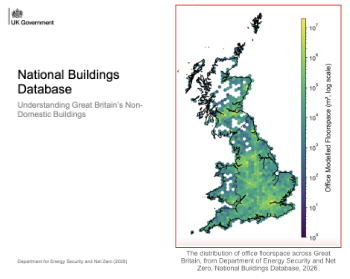
New UK National Buildings Database.
Building Safety Wiki Interviews

Chief executive of the British Woodworking Federation.
Planning condition discharge in England and Wales

A brief explanation from a building compliance expert, with further links.
Overheating guidance and tools for building designers

Guidance for dealing with element of building fabric control that have increasing importance.
Shading for housing, a design guide

From the Good Homes Alliance and British Blind and Shutter Association.
UK Standard Skills Classification (SSC)

A shared framework for describing skills needs.
Social media ban consultation comes to close

CIOB urges UK Government to consider social media’s role in careers guidance in ban debate.