






Elevated Construction

An elevated building, with regards to flooding, is a building that is raised on columns (or stilts) so that the floor level is higher than the potential level of the flood water. This is a simple and logical way to protect a property from flooding but it is reliant on accurate predictions of flood levels.
There are many examples of this type of construction across the world, ranging from traditional timber or bamboo houses to modern steel and concrete structures. Some structures may be raised only a few centimetres above the ground, while others are raised meters in the air, such as hurricane homes in the south east of the USA or lake side houses in Tonle Sap, Cambodia. A more extreme example of a structure elevated above water ingress is an oil rig.
Elevated buildings maybe constructed from many different materials, such as brick, concrete, steel and wood. The actual construction materials used may be influenced by the local vernacular or may be determined by the flood hazard. Deep and/or fast flowing water can be a hazard to buildings. In some cases the structure required to resist the hydrostatic pressure can be considerable.
One of the main issues with an elevated building is access and the potential disconnection with the ground plane. Whilst the building may be protected from flooding, if it is elevated above the ground plane, it may not be able to provide easy access for people, particularly those with mobility difficulties. If it is elevated more than half a storey above ground, the access is more challenging, the engagement with the surrounding environment may be diminished, and natural surveillance becomes less effective. This may result in increased antisocial behaviour and less community interaction or reduced social cohesion.
One should not design to reduce flood-risk yet compromise other important aspects of design. A good design solution to flooding should not result in detrimental social effects for all the rest of the time the building is in use.
In cases where flood depths may be more extreme, it may be preferential to raise the primary floor of the building a storey above the ground and use the ground level for other uses such as parking, bin/bike storage or for less vulnerable uses such as commercial or residential amenity spaces, such as you might find in choosing schemes.

Key components of elevated construction include:
- Structural columns, piles or stilts
- Permeable undercroft, protected from use or debris
- Raised apertures, doors and windows
- Raised, secured and insulated services
- Sealed and secured foul drainage system
--Robert Barker, Stolon 02:14, 30 Jan 2021 (BST)
[edit] Related articles on Designing Buildings Wiki
- Amphibious construction.
- BRE flood resilient repair project.
- BREEAM Flood risk management.
- Building flood resilience.
- Changing attitudes to property flood resilience in the UK.
- Fighting flooding in the 21st century.
- Flood defences.
- Flood resilient construction.
- Flood resilient house.
- Pitt Review Lessons learned from the 2007 floods.
- Planning for floods.
- Property flood resilience.
- Pumps and dewatering equipment.
- Temporary flood defences.
- Ten years on - Lessons from the Flood on building resilience.
- Thames barrier.
- Workplace design – flood protection.
Featured articles
Check out some of the best features and news from Designing Buildings as well as key stories from around the web.

Your views needed - a strategy for the professions, trades and occupations.

Confronting competency, codes, capacity and costs.

The hidden risk in modern construction supply chains.
Construction Management, 10 June

24 months to 14: CITB launches accelerated apprenticeships.
Bridging the gap between clients and contractors
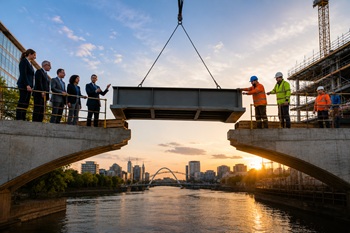
Concerns remain around contractor quality, capability, and delivery.
Construction Management, 10 June.
Heat pumps beat boilers in new home tests.
Building Safety Act implementation in Wales
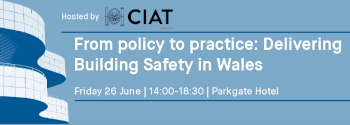
CIAT to host industry panel on 26 June.

New and updated CLC building safety guidance.
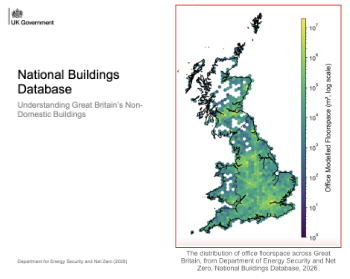
New UK National Buildings Database.
Building Safety Wiki Interviews

Chief executive of the British Woodworking Federation.
Planning condition discharge in England and Wales

A brief explanation from a building compliance expert, with further links.