





Recent study of UK households reveals chilling home truths

Contents |
[edit] Some key findings in brief
New research from the Building Services Research and Information Association (BSRIA) shows:
- 1 in 5 UK homes lack proper insulation
- Only 6% of Brits know the EPC rating of their own home
- Over half of British homeowners are unfamiliar with the term retrofit in relation to buildings
Around 1 in 5 households across the UK are living in poorly insulated homes, according to new research from the Building Services Research and Information Association (BSRIA).
[edit] Ageing stock, concerned residents
The UK has the oldest and least efficient housing stock in Europe ( Source: Institute of Health Equity). BSRIA commissioned a study of 2,000 UK homeowners and tenants to investigate the factors holding back the energy efficiency of homes.
The research revealed that poor or inadequate insulation in walls, roofs, or floors is the primary challenge for 20% of homes, while a quarter (23%) of homeowners flagged draughty doors and windows as a concern. 22% identified a lack of smart heating controls as a key issue affecting energy efficiency.
Moreover, nearly a fifth (18%) said they were worried about poor ventilation in their home leading to condensation or mould.
Londoners are most likely to be battling over the thermostat setting with one in seven (14%) reporting this as a challenge compared to an average 8% of consumers across the UK.
[edit] Energy Performance Certificates
Energy performance certificates (EPCs) have hit headlines in recent weeks following plans announced at the Labour Party Conference for all social housing in England to achieve an EPC rating of at least C by 2030. This is subject to a consultation, which is due to take place later this year, and intended to help lift tenants out of fuel poverty, as well as help the UK reach its climate goals.
Despite growing awareness, only a startling 6% of homeowners know the EPC rating of their property, according to the survey findings. Even more concerning, just 17% are aware of the diverse options available to boost their home’s energy efficiency, highlighting a significant knowledge gap as the UK aims for more sustainable living.
Only one in five people consider their home energy efficient, with over-55s most likely to stay warm this winter.

[edit] Comments of the study
Tom Garrison, Technical Director at BSRIA said: “EDF figures indicate that the average semi-detached homeowner could save up to £235 a year if they upgraded their cavity-wall insulation, £225 by having a well-insulated loft, or £315 a year if they updated their solid wall insulation. However, it’s clear from this research that, despite the energy crisis, little progress has been made in educating the British public on ways to improve the efficiency of their home, meaning millions are missing out on significant savings on their energy bills.”

|
. According to the research, over half of British homeowners (55%) are unfamiliar with the term retrofit in relation to buildings. This involves taking steps to make homes more self-sufficient, through energy-efficiency measures like loft insulation, cavity wall insulation and double-glazing. |
Lisa Ashworth, CEO at BSRIA said: “We spend around 90% of our time indoors in the UK. Improving the energy efficiency of homes is important to tackling fuel poverty and reducing emissions, but it’s also crucial for the long-term physical and mental wellbeing of the population. The health implications of poorly insulated homes are staggering, and we urgently need to improve our building stock to safeguard people and ensure that everyone has a warm and comfortable place to live.
“The drive toward retrofitting buildings, although not without its challenges, presents an opportunity to address longstanding quality issues in our homes, delivering quality and reducing carbon. It’s a win-win.”

[edit] BSRIA Briefing 2024: Sustainable Futures. Redefining Retrofit for Net Zero Living
Amidst global concerns regarding climate change and the imperative to reduce carbon emissions, the built environment stands at the forefront of action. Buildings contribute significantly to carbon footprints, making retrofit solutions a critical pathway to achieving net zero targets. The BSRIA Briefing 2024 aims to shed light on the transformative potential of retrofitting existing buildings, paving the way for a more sustainable future. For further information and to book places visit:
This article was issued via Press Release as "A fifth of UK homes facing a chilly winter, new study finds" dated 6 November, 2024, for further information about the study contact Niamh Meyer or Sam Ampaw at The Think Tank.
--BSRIA
[edit] Related articles on Designing Buildings
- Air tightness in buildings.
- BR 135 Fire Performance of external thermal insulation for walls of multi-storey buildings.
- BSRIA articles.
- BSRIA Briefing 2023. Cleaner Air, Better Tomorrow
- BSRIA Briefing 2022 - from the outside looking in
- BSRIA Briefing 2021
- BSRIA Briefing 2019: A climate of change
- BSRIA definitions.
- Building systems.
- Cavity wall insulation.
- Domestic floors: Part 1: Construction, insulation and damp proofing.
- External wall insulation.
- Floor insulation.
- Flue insulation and air tightness requirements.
- Insulation envelope.
- Insulation for ground floors.
- Loft insulation ruling.
- Mechanical ventilation of buildings.
- Performance gap between building design and operation.
- Solid wall insulation.
- Sustainability in building design and construction.
- Thermal insulation for buildings.
- Types of insulation.
- Understanding Insulation and the Part It Plays in Building Regulations.
- Wall insulation and moisture risk.
- Wood and insulation.
Featured articles
Check out some of the best features and news from Designing Buildings as well as key stories from around the web.

Bringing together expertise and creating cultural benefits.

CIOB celebrates positive Ofsted report.

The Building Safety Regulator announces a call for evidence.

Government approach could undermine delivery and regeneration.
World's first mass timber data centre.
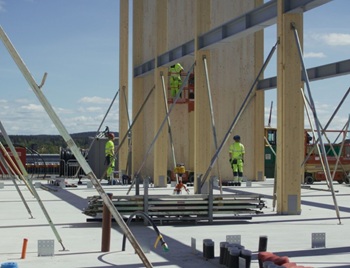
The overlooked environmental aspect of data centre development.
Introduction to radon awareness
New technical information sheet published by CIOB.

Updated supplier guide can help electrical contractors engage with NHP.

CIAT confirm the winners of the 2026 architectural technology awards.
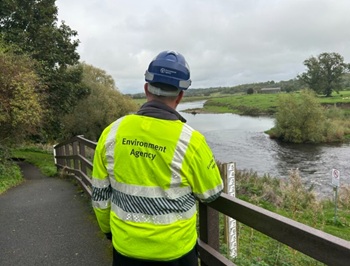
Government launches a one stop shop for flood preparedness.

Sir Edwin Lutyens: Britain's greatest architect? Book review.
CIOB publishes free template to help assess and manage risks.
ECA's reflections on Party Conference season

Burnham wants to be confident of winning before asking for a fresh mandate.