





How to Choose Commercial Flooring That Balances Style and Durability
Selecting the right flooring for a commercial space is a critical decision that impacts aesthetics, functionality, and long-term costs. Whether you’re outfitting an office, retail store, restaurant, or healthcare facility, your flooring must withstand heavy traffic, maintain a professional appearance, and align with your brand’s style. Balancing style and durability ensures your workplace looks impressive while enduring daily wear and tear. This guide explores key factors to consider and top flooring options to achieve a perfect blend of elegance and resilience in high-traffic commercial environments.
Contents |
[edit] Why Style and Durability Matter in Commercial Flooring
Commercial flooring faces unique challenges: constant foot traffic, spills, heavy equipment, and the need to comply with safety regulations. At the same time, it must reflect your business’s identity, whether that’s a sleek corporate vibe, a cozy restaurant ambiance, or a modern retail aesthetic. According to a 2025 commercial real estate report, well-chosen flooring can enhance property value by 50–70% ROI and improve customer perceptions, making it a strategic investment. By prioritizing both style and durability, you create a welcoming, professional space that lasts for years with minimal maintenance.
[edit] Key Factors to Consider
To choose commercial flooring that balances style and durability, evaluate these critical factors:
[edit] 1. Assess Traffic Levels and Usage
The volume and type of traffic in your space determine the durability needed.
- High-Traffic Areas (e.g., retail stores, lobbies): Require ultra-durable materials like porcelain tile or epoxy to withstand constant foot traffic and heavy loads.
- Moderate-Traffic Areas (e.g., offices, conference rooms): Can use softer but durable options like carpet tiles or luxury vinyl for comfort and style.
- Specialized Areas (e.g., commercial kitchens, hospitals): Need slip-resistant, hygienic flooring like epoxy or sealed porcelain to meet safety and sanitation standards.
Tip: Map out your space’s traffic patterns and consult with commercial flooring contractors to match materials to usage.
[edit] 2. Prioritize Slip Resistance and Safety
Safety is non-negotiable in commercial settings to prevent accidents and comply with regulations like OSHA and ADA.
- Look for materials with a high coefficient of friction (COF), ideally 0.42 for dry surfaces and 0.60 for wet (per ANSI standards).
- Textured finishes (e.g., matte porcelain or rubber) enhance grip, especially in wet areas like entryways or kitchens.
- Example: A retail store entrance with textured porcelain tiles ensures safety during rainy seasons while maintaining a polished look.
Tip: Verify COF ratings and ensure compliance with local safety codes to avoid liability risks.
[edit] 3. Match Style to Your Brand
Your flooring should reflect your business’s aesthetic and enhance the customer experience.
- Modern/Corporate: Sleek options like polished concrete or large-format porcelain tiles in neutral grays or whites create a professional, minimalist vibe.
- Warm/Hospitable (e.g., restaurants, hotels): Wood-look luxury vinyl plank (LVP) or warm-toned carpet tiles add coziness while remaining durable.
- Industrial/Retail: Stained concrete or epoxy with metallic finishes offers a trendy, rugged aesthetic that withstands heavy use.
- Creative/Branded: Patterned carpet tiles or custom vinyl designs allow for bold, unique looks that align with your brand’s identity.
Tip: Request samples to test in your space’s lighting and alongside existing decor to ensure a cohesive aesthetic.
[edit] 4. Consider Maintenance Requirements
Low-maintenance flooring saves time and money in busy commercial environments.
- Choose materials resistant to stains, scratches, and water, like porcelain or vinyl, which require only sweeping and occasional mopping.
- Avoid high-maintenance options like unsealed hardwood or plush carpet, which can trap dirt and require frequent cleaning.
Tip: Establish a cleaning schedule (e.g., daily sweeping, weekly mopping) to maintain appearance and extend flooring lifespan.
[edit] 5. Evaluate Budget and Long-Term Costs
Balancing upfront costs with long-term durability is key to maximizing value.
- Initial Costs: Range from $2–$20 per square foot for materials, plus $2–$10 for installation, depending on the flooring type.
- Long-Term Savings: Durable materials like epoxy or porcelain reduce repair and replacement costs, offering better ROI than cheaper, less resilient options.
- Example: Investing in LVP ($2–$7 per square foot) for an office saves more over time compared to carpet ($2–$6 per square foot) that wears out faster.
Tip: Get multiple quotes from commercial flooring contractors to compare costs and ensure quality installation.
[edit] 6. Account for Climate and Environment
Your local climate impacts flooring performance.
- Humid Climates: Use waterproof materials like LVP or porcelain to prevent mold and warping.
- Cold Climates: Pair tile or concrete with radiant heating for comfort and durability.
- Dry/High-Heat Areas: Opt for fade-resistant options like porcelain or sealed concrete to maintain appearance.
Tip: Test materials for climate compatibility to avoid issues like expansion or cracking.
[edit] Top Flooring Solutions for Style and Durability
Here are the best flooring options that combine aesthetic appeal with long-lasting performance for high-traffic commercial spaces:
[edit] 1. Porcelain Tile
- Why It Works: Porcelain is highly durable, resisting scratches, stains, water, and heavy traffic. It’s slip-resistant with textured or matte finishes (COF 0.6–0.8) and lasts 20–50 years.
- Style Appeal: Offers wood-look, stone-look, or patterned designs to suit modern, traditional, or upscale aesthetics. Large-format tiles create a seamless, luxurious look.
- Best for: Restaurants, retail stores, lobbies, or healthcare facilities.
- Cost: $3–$20 per square foot, plus $4–$10 for installation.
- Maintenance: Sweep daily, mop weekly with mild cleaners, and seal grout every 1–2 years.
- Example: Install wood-look porcelain in a restaurant dining area for a warm, elegant vibe that handles spills and heavy traffic.
Pro Tip: Choose rectified tiles for tighter grout lines, enhancing both style and ease of cleaning.
[edit] 2. Luxury Vinyl Plank (LVP) or Tile (LVT)
- Why It Works: Commercial-grade LVP/LVT is waterproof, scratch-resistant, and durable, with a thick wear layer (20–28 mil) ensuring a 15–25-year lifespan. Offers good slip resistance (COF 0.5–0.7).
- Style Appeal: Mimics hardwood, stone, or tile with realistic textures. Wide-plank LVP in neutral tones suits modern offices, while LVT with marble effects elevates retail spaces.
- Best for: Offices, retail stores, salons, or gyms.
- Cost: $2–$7 per square foot, plus $2–$5 for installation.
- Maintenance: Sweep daily, mop as needed; no sealing required.
- Example: Use LVP in an office reception area for a polished, wood-like look that withstands daily traffic.
Pro Tip: Select rigid-core LVP (e.g., SPC vinyl) for added stability under heavy furniture or equipment.
[edit] 3. Polished or Stained Concrete
- Why It Works: Concrete is extremely durable, resisting scratches, stains (when sealed), and heavy loads, with a lifespan of 50+ years. Textured finishes improve slip resistance (COF 0.5–0.7).
- Style Appeal: Polished concrete offers a sleek, modern look, while stained or scored designs add custom patterns or colors for branding.
- Best for: Retail showrooms, warehouses, or industrial-chic offices.
- Cost: $3–$8 per square foot for polishing/staining, plus $2–$5 for sealing.
- Maintenance: Sweep daily, mop weekly, and reseal every 2–3 years.
- Example: Install polished concrete in a retail store for a contemporary aesthetic that handles high foot traffic.
Pro Tip: Add a high-gloss finish or metallic stain for a luxurious, upscale appearance.
[edit] 4. Epoxy Flooring
- Why It Works: Epoxy coatings over concrete create a seamless, durable surface resistant to chemicals, impacts, and moisture. Aggregates like silica sand boost slip resistance (COF 0.8–1.0), lasting 10–20 years.
- Style Appeal: Available in solid colors, metallic finishes, or custom logos, epoxy suits modern or industrial aesthetics.
- Best for: Commercial kitchens, manufacturing plants, or garages.
- Cost: $3–$7 per square foot, including application.
- Maintenance: Sweep or mop with mild cleaners; buff occasionally for shine.
- Example: Use metallic epoxy in a commercial kitchen for a hygienic, stylish floor that resists grease and slips.
Pro Tip: Ensure proper subfloor preparation for a smooth, long-lasting epoxy finish.
[edit] 5. Commercial-Grade Carpet Tiles
- Why It Works: Made from durable nylon or polyester, carpet tiles resist stains and wear, with individual tiles replaceable for easy repairs. Textured surfaces offer moderate slip resistance (COF 0.4–0.6), lasting 10–15 years.
- Style Appeal: Neutral or patterned designs suit professional or creative spaces, with mix-and-match options for custom looks.
- Best for: Offices, conference rooms, or hospitality venues.
- Cost: $2–$6 per square foot, plus $2–$4 for installation.
- Maintenance: Vacuum daily, spot-clean stains, and replace damaged tiles as needed.
- Example: Install patterned carpet tiles in a corporate office for a warm, professional look with easy maintenance.
Pro Tip: Choose solution-dyed nylon tiles for superior stain resistance and color retention.
[edit] Additional Tips for Choosing Commercial Flooring
- Test Samples: View flooring samples in your space to ensure they match lighting and decor while meeting durability needs.
- Consult Professionals: Work with experienced contractors to assess subfloor conditions and ensure compliance with safety and building codes.
- Consider Acoustics: Carpet tiles or vinyl reduce noise in busy spaces like offices or schools, enhancing employee comfort.
- Eco-Friendly Options: Use sustainable materials like recycled-content LVP or FSC-certified bamboo to appeal to environmentally conscious clients.
- Plan for Maintenance: Budget for cleaning supplies ($50–$100/year) and periodic maintenance (e.g., grout sealing, epoxy re-coating) to preserve style and durability.
[edit] Boosting Business Value with the Right Flooring
Choosing flooring that balances style and durability enhances your commercial space’s appeal, attracting customers, tenants, and employees. Durable materials like porcelain or epoxy reduce long-term maintenance costs, while stylish designs create a positive first impression. Highlight features like slip resistance, waterproofing, or custom branding in property listings to maximize marketability and justify premium rental or sale prices.
[edit] Conclusion
Selecting commercial flooring that balances style and durability requires careful consideration of traffic, safety, aesthetics, and maintenance. Options like porcelain tile, LVP, polished concrete, epoxy, and carpet tiles offer the perfect blend of elegance and resilience for high-traffic workplaces. By evaluating your space’s needs, testing samples, and working with professionals, you can create a functional, stylish environment that enhances your business. Ready to upgrade your commercial flooring? Consult a trusted contractor to explore these solutions and transform your workplace into a safe, stunning space.
Featured articles
Check out some of the best features and news from Designing Buildings as well as key stories from around the web.
Bridging the gap between clients and contractors

Concerns remain around contractor quality, capability, and delivery.
Construction Management, 10 June.
Heat pumps beat boilers in new home tests.
Building Safety Act implementation in Wales

CIAT to host industry panel on 26 June.
New and updated CLC building safety guidance.
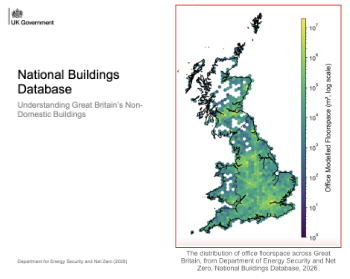
New UK National Buildings Database.
Building Safety Wiki Interviews

Chief executive of the British Woodworking Federation.
Planning condition discharge in England and Wales

A brief explanation from a building compliance expert, with further links.
Overheating guidance and tools for building designers

Guidance for dealing with element of building fabric control that have increasing importance.
Shading for housing, a design guide

From the Good Homes Alliance and British Blind and Shutter Association.
UK Standard Skills Classification (SSC)

A shared framework for describing skills needs.
Social media ban consultation comes to close

CIOB urges UK Government to consider social media’s role in careers guidance in ban debate.