






Bringing a breath of fresh air to the design of indoor environments
Contents |
[edit] Introduction
In London, it would be unusual to complete a journey without encountering some form of action against outdoor air pollution thanks in part to the mayor’s focus on the issue. Now common sites include bus stops that relay data on the local air quality, hybrid buses patrolling the streets, green walls sprouting along the edge of office blocks and citizens using apps to navigate the least polluted route to their destination. Numerous, positive actions are currently occurring across the city that are working together to create a healthier, outdoor urban environment.
When it comes to our indoor environments, it is important that action against poor air quality is not left behind. The current buzz surrounding issues of occupants’ wellbeing in the built environment signals an increasing awareness and understanding of the potential harm indoor environments could be having on our health and wellness.
Within this category falls the matter of indoor air quality and its associated effects on human health. It is imperative that we understand the relationship between indoor air pollution and health, and how the built environment can have a positive impact.
[edit] Sources of indoor air pollution
It is well established that occupants’ health and wellbeing can be severely impacted by poor indoor air quality. Impacts include headaches, fatigue, and dizziness, and can sometimes lead to chronic respiratory problems, allergies, and low levels of productivity.
Although caused by a range of contaminants, those that are most significant in designing and constructing buildings include the presence and concentration of Volatile Organic Compounds (VOCs) and formaldehyde, resulting from the off-gassing of building materials and other products including finishes and adhesives.
[edit] ‘Build tight, ventilate right’
So how can we begin to tackle these pollutants, especially at a time when the need to conserve energy has led to increasingly air-tight buildings? Air leakage through the building fabric, while leading to heat loss and increased energy consumption, did at least provide a passive source of air exchange inside buildings.
Reductions in the air permeability of buildings now means that passive methods or mechanical ventilation with heat recovery (MVHR) are required to achieve adequate ventilation rates to ensure the sufficient supply of oxygen and removal of internally generated pollutants. When choosing which method to pursue, it is important to take the quality of the outdoor air into account.
Areas of good outdoor air quality are well suited to methods of passive ventilation. Areas where the quality of outdoor air is low require MVHR systems to achieve good indoor air quality. For MVHR to be most effective the intake of air should be placed away from sources of outdoor air pollution and filters should be well maintained.
Yet, this cannot achieve good indoor air quality alone. Although ventilation is an effective mechanism for mitigating exposure to indoor pollutants, efforts need to be made in tackling pollutants at the source.
[edit] Taking control at the source
The increasing awareness of indoor air quality is creating a demand in the market for healthy building materials and as a result, the market is responding. VOC-free paints and finishes, green certified furnishings and other fit-out components are available and are advocated by sustainability standards including BREEAM and WELL. Certain indoor plants such as spider plants and English ivy are advocated by NASA for having air filtering capabilities.
The importance of good indoor air quality is put into perspective when we learn that on average UK citizens are spending 92% of their time in an indoor environment. In light of the efforts taken to address outdoor air quality, if a commensurate approach to raising awareness and taking action to improve indoor air quality were to be applied, the improvement to our health, productivity and general level of wellbeing could be significant.
Indoor air quality is, of course, only one element of creating great places to live and work. Natural lighting, use of natural materials such as stone and timber, provision of a wide range of public and private spaces with unique characters, careful placement of art installation and integration of areas for formal or informal sport and other social activities are all part of the mix. Successful integration of all of these elements can lead to award-winning places that people love to be in, as demonstrated by the recent BCO Best of the Best Award made to the Sky Central Building.
[edit] Related articles on Designing Buildings Wiki
- Air filtration and clean Indoor air quality standards.
- Air quality.
- Air Quality Taskforce.
- Air tightness in buildings.
- Airtightness of energy efficient buildings.
- At a glance - Indoor air quality.
- BREEAM Indoor air quality plan.
- BREEAM Indoor air quality Ventilation.
- BREEAM Indoor pollutants VOCs.
- BSRIA responds to UK Air Pollution Report.
- Clean indoor air for healthy living - New air filter standards.
- Designing to reduce the chemical, biological and radiological vulnerability of new buildings (IP 7/15).
- Ensuring good indoor air quality in buildings.
- Fresh air.
- Health effects of indoor air quality on children and young people.
- Indoor air quality.
- Indoor environmental quality.
- Locating ventilation inlets to reduce ingress of external pollutants into buildings: A new methodology IP 9 14.
- Sick building syndrome.
- TG10 2016 At a glance, wellbeing.
- Ventilation.
Featured articles and news
Costs and insolvencies mount for SMEs, despite growth
Construction sector under insolvency and wage bill pressure in part linked to National Insurance, says report.
The place for vitrified clay pipes in modern infrastructure
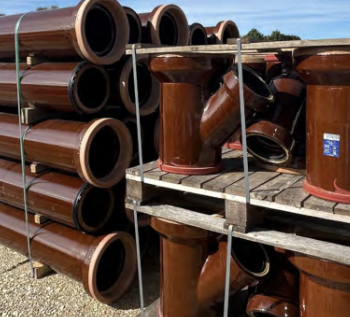
Why vitrified clay pipes are reclaiming their role in built projects.
Research by construction PR consultancy LMC published.
Roles and responsibilities of domestic clients

ACA Safety in Construction guide for domestic clients.
Fire door compliance in UK commercial buildings

Architect and manufacturer gives their low down.
Plumbing and heating for sustainability in new properties
Technical Engineer runs through changes in regulations, innovations in materials, and product systems.
Awareness of the Carbon Border Adjustment Mechanism
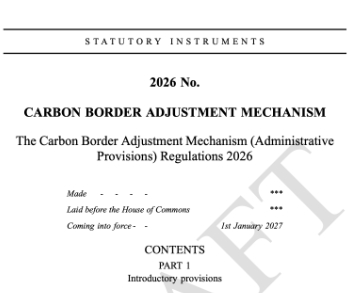
What CBAM is and what to do about it.
The new towns and strategic environmental assessments
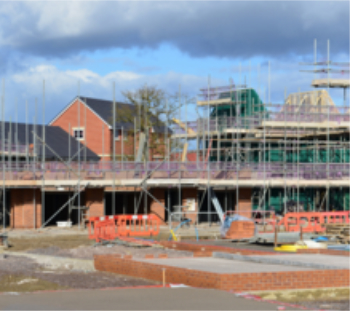
12 locations of the New Towns Taskforce reduced to 7 within the new towns draft programme and open consultation.
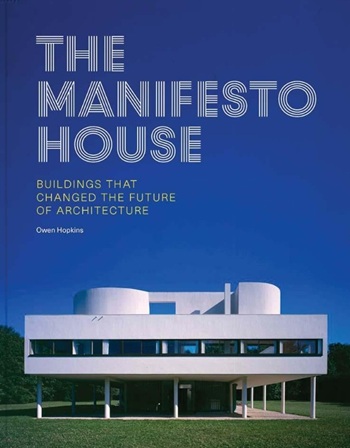
Buildings that changed the future of architecture. Book review.
The Sustainability Pathfinder© Handbook
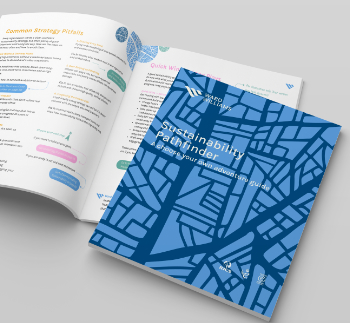
Built environment agency launches free Pathfinder© tool to help businesses progress sustainability strategies.

Government outcome to the late payment consultation, ECA reacts.
IHBC 2025 Gus Astley Student Award winners

Work on the role of hewing in UK historic conservation a win for Jack Parker of Oxford Brookes University.
Future Homes Building Standards and plug-in solar
Parts F and L amendments, the availability of solar panels and industry responses.
How later living housing can help solve the housing crisis
Unlocking homes, unlocking lives.
Preparing safety case reports for HRBs under the BSA
A new practical guide to preparing structural inputs for safety cases and safety case reports published by IStructE.
Male construction workers and prostate cancer

CIOB and Prostate Cancer UK encourage awareness of prostate cancer risks, and what to do about it.