





Picture rail
Contents |
[edit] What is a picture rail ?
Picture rails are simply interior features or mouldings designed to more easily hang pictures, often using picture hooks specifically designed for certain mouldings, tracks or brass features.

Today they may also be referred to as picture tracks, picture hanging systems or picture hanging rails and are a essential design feature of most art galleries and museums.

Traditionally these elements would most likely have been made of timber or in some cases moulded plaster and were common features in the interior walls of Georgian, Victorian and Edwardian interiors, though their exact location, choice of material and prominence would have varied between the different eras.

[edit] Georgian period
In the earlier Georgian period (1714-1830's) with the four King Georges picture rails seem to have been less common and if they were included as a feature of the interior walls they would most likely have been higher up and disguised within the lower part of the cornice where the wall meets the ceiling. This may also have depended on the room storey, as upper level rooms in Georgian properties would have had lower ceilings, whilst the lower floors higher ceilings. The higher ceilings allowed room for a lowered picture rails if included, which was more common in the later Georgian periods, sometime also referred to as the Regency period after the Prince Regent became King William until around 1837.
This period is often described as neo-classical, because it was heavily influenced by and borrowed from Roman features, including the dado rail, which is mistakenly more associated with the Victorian period, though was initially a Georgian feature to protect the walls from chair back, and less popular in the early Victorian period though returning to fashion in the later years by which it is often associated.
[edit] Victorian period
The Victorian era itself was though more associated with the picture rail, as during this period ceilings were generally higher, and picture hanging was in fashion. The picture rails would have dropped a foot or so and been located around the height of the tall interior door architraves. The picture rails may have had single hanging chords with a number of pictures attached above one another, allowing for different size frames or with one chord to each side of the picture.
[edit] Edwardian period
The moulding itself would have been so designed as to allow a metal hook to hang from it easily, usually made of timber and painted white. Use of the picture rail continued through the Edwardian era, along with what was called the frieze, between the cornice and the picture rail, started in the later Victorian period often painted a different colour o the main walls.
Picture rails may from later period interiors or retrofitted picture rails might also be found as simple brass fittings and poles fixed high up on the interior wall to hang pictures from. These serve the same function as earlier mouldings and prevented the need to bang nails into wall to hang pictures, making it easier to move, adjust or change pictures.
[edit] Modernism to today
Modernism represented a stripping back of design to its bare elements as such picture rails would have been an unwelcome feature in most modernist houses. “A house is a machine for living in,” Corbusier would famously be quoted as saying and the “modern decoration has no decoration”, trims, features and mouldings would most likely have been replaced by clean edges and shadow gaps.
However whilst the idea of a moulded picture rail as a feature would not have had a place in a modernist house, the practical need to hang pictures would have continued and thus such picture rails most likely continued to be designed into buildings but hidden through the uee of shadow gaps and hidden lips. Likewise galleries would have lips to the top edges of plain white wall to ease the installation relocation and dismantling of exhibits.
Today the reappearance of picture rails might be seen in many homes, either replicating the curved mouldings in mock period dwellings, using simplified timber moulds in modern homes, with cleaner , sharper, lines and edges, or through the use of brass, chrome or steel fittings. In any case celebrated, hidden or functional the picture rail is likely to survive as long as the urge to hang pictures continues.
[edit] Related articles on Designing Buildings
- Architrave.
- Architectural styles.
- Balustrade.
- Bas-relief.
- Classical orders in architecture.
- Corbel.
- Cornice.
- Dogtooth.
- Elements of classical columns.
- Entablature.
- Fillet.
- Fluting.
- Fret.
- Frieze.
- Greek Classical orders in architecture.
- Hood moulding.
- Keel moulding.
- Moulding.
- Pedestal.
- Pediment.
- Pilaster.
- Rinceau.
- Roman Classical orders in architecture.
- Running dog pattern.
Featured articles
Check out some of the best features and news from Designing Buildings as well as key stories from around the web.
Cut electricity bills to power growth

Coalition sends joint letter to the Chancellor.

Gasholders: a history in pictures. Book review.
Recognition, influence and growth

SocEnv identifies three strategic pillars in new strategy to 2045.
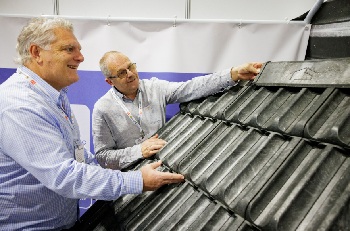
Discover the future of roofing, cladding and insulation.
New guidance for professional practice, cultural change and regulation in social housing.
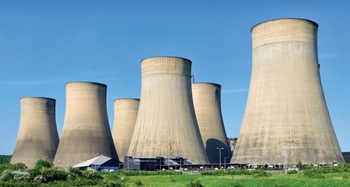
The heritage of nuclear and conventional power stations.
New measures to stop people being ripped off

Government to protect families from cowboy builders and aggressive bailiffs.

New Futurebuild showcase brings an innovation-first approach.
National Planning Policy Framework
Understanding the 2026 changes.
ECA's public affairs priorities

Member consultation opens to shape priorities for 2027 to 2030.

Dutyholder responsibilities from 1 July 2026.
Where performance meets practice
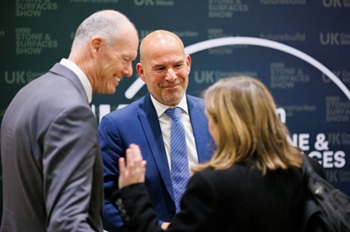
The Building Envelope Stage at UKCW Birmingham.
Comments
[edit] To make a comment about this article, click 'Add a comment' above. Separate your comments from any existing comments by inserting a horizontal line.