





How to Reduce Unit Costs for Latin American Highway Projects Through Proper Asphalt Plant Layout Planning?
Highway infrastructure is the backbone of economic development across Latin America. However, projects in the region often face significant budget pressures, with material and logistical costs consuming a substantial portion of funds. A critical, yet frequently overlooked, strategy for achieving substantial cost savings lies not just in the choice of equipment, but in its strategic placement and organization. Thoughtful asphalt plant layout planning is a powerful lever for reducing the unit cost per ton of asphalt produced and laid. By optimizing the flow of materials, personnel, and finished product, contractors can dramatically enhance efficiency, cut fuel consumption, reduce labor hours, and minimize downtime. This blog explores practical, actionable strategies for planning an asphalt plant setup that directly targets lower unit costs, ensuring your next project in Mexico, Brazil, Colombia, or beyond stays competitive and profitable.
Contents |
[edit] The Direct Link Between Plant Layout and Unit Cost
Unit cost in asphalt production is the total cost divided by the total output. Every inefficiency in the production cycle inflates this number. A poorly planned asphalt plant layout introduces multiple inefficiencies: excessive material handling, long and congested truck paths, wasted fuel for internal transport, heightened equipment wear, and increased safety hazards that can lead to costly stoppages. Conversely, a layout designed with logistics and process flow as the top priority compresses cycle times, allowing the same asphalt plant to produce more tons per day at a lower cost per ton. This is especially crucial when operating a high-capacity asphalt plant for sale(venta de planta de asfalto) in a new market; its potential can only be fully realized if the supporting layout is engineered for peak performance.
[edit] Key Principles of a Cost-Saving Layout
Three fundamental principles should guide your asphalt plant layout planning to drive down unit costs:
- Minimize Material Travel Distance: The goal is to create a linear, logical flow from aggregate receipt to mix dispatch. Every meter that a loader, conveyor, or truck must travel unnecessarily adds time and fuel cost.
- Ensure Smooth and Safe Traffic Flow: Truck cycle time—from scale to load-out to exit—is a critical bottleneck. Separate entry and exit points, clear signage, and wide, well-maintained haul roads prevent congestion and idling.
- Optimize for Flexibility and Maintenance: Design access space around key components like the dryer, mixer, and filters for safe and swift maintenance. Downtime is the ultimate unit cost killer. Furthermore, consider future needs, such as adding a second silo or RAP (Recycled Asphalt Pavement) processing equipment.

[edit] Strategic Layout Components for Latin American Contexts
Applying these principles requires attention to specific areas of the plant site. The unique challenges of Latin America, such as variable terrain, limited space in mountainous regions, and supply chain variability, make this planning even more vital.
[edit] Aggregate Storage and Handling
The process begins with aggregates. Inefficient handling here creates ripple effects throughout production.
- Strategic Stockpile Placement: Position stockpiles as close as possible to the cold feed bins. Use natural topography where possible; for example, building stockpiles on a berm so loaders operate on a downhill grade to the feeders saves energy and time.
- Segregation and Contamination Prevention: Designated, well-divided pads for different aggregate sizes prevent cross-contamination, which can lead to inconsistent mix and costly rejections. Proper pad drainage is essential, particularly in regions with heavy seasonal rains.
- Feeder Efficiency: Ensure loaders have ample space to maneuver without crossing truck paths. The shorter the loader cycle from pile to bin, the better.
[edit] The Heart: Plant Positioning and Access
The physical placement of the asphalt plant(planta asfalto) itself is the most decisive factor. When evaluating a new asphalt plant for sale, consider its footprint and configurability for your specific site.
- Centralized Production Control: The plant should be located to balance distances from aggregate sources, the bitumen storage, and the project departure point. In a linear highway project, positioning the plant centrally along the project corridor can significantly reduce hauling costs.
- Ample Space for Expansion: Always allocate more space than the bare minimum. This allows for future upgrades, such as adding a RAP crusher or a warm-mix asphalt system, which can further reduce material costs.
- Foundation and Utilities: Invest in a solid, well-drained foundation. Properly planned utility runs (power, water, air) prevent operational headaches. For a new asphalt plant in Mexico or elsewhere, engage local engineers who understand soil conditions and seismic considerations.
[edit] The Critical Path: Load-Out and Truck Circulation
This is where congestion destroys efficiency. A smooth truck cycle is non-negotiable for low unit costs.
- Dedicated Truck Lanes: Implement a one-way system. Trucks should enter, proceed to the scale, loop around to the load-out silo, and exit without ever needing to stop, back up, or cross another truck's path.
- Strategic Silo Placement: Position the load-out silos to allow trucks to be loaded quickly and exit directly onto a main haul road. Avoid placing them in a corner of the site.
- Weighing and Ticketing Efficiency: Locate the scale house so the operator has clear visibility of the entire truck circuit. Consider automated ticketing systems to reduce wait times.

[edit] Leveraging Technology and Local Expertise
Modern tools can elevate your layout planning from good to optimal.
- Use Simulation Software: Before breaking ground, use plant simulation software or even simple CAD models to test different layout scenarios, simulating truck and loader movements to identify potential bottlenecks.
- Partner with Local Experts: When installing an asphalt plant in Mexico(planta de asfalto en México), Colombia, or Chile, work with local contractors who know the permitting landscape, reliable subcontractors, and regional best practices for foundation work and logistics. Their input during the planning phase is invaluable.
- Telematics and Data: Once operational, use telematics data from loaders, trucks, and the plant itself to identify remaining inefficiencies. Is truck wait time too high? Is a loader traveling excessive distances? Use data to refine your layout over time.
[edit] Final Recommendations for Maximizing Savings
To encapsulate, reducing unit costs through layout planning is a deliberate process that requires upfront investment in thought and design. It begins with the selection of the right equipment. Whether you are considering a new asphalt plant for sale or optimizing an existing setup, always prioritize a design that enforces a linear, logical, and safe material flow. Remember that the most productive asphalt plant can be hamstrung by a congested and poorly arranged site. For projects across Latin America, from a major asphalt plant in Mexico serving federal highways to a portable setup for a Peruvian mountain road, the principles remain the same. By treating the plant layout as a strategic component of your project's financial model, you secure a durable competitive advantage: the ability to consistently deliver quality asphalt at the lowest possible unit cost.
Featured articles and news

We're expanding our collaborative mission by launching DB Intelligence, an exclusive market research advisory panel. Built environment professionals can now get paid to share their expertise on industry trends, products and services.
Panel members receive direct financial incentives for participating in research projects like short surveys, 1-2-1 interviews and focus groups. Register today to shape the future of the construction sector.
Social media ban consultation comes to close

CIOB urges UK Government to consider social media’s role in careers guidance in ban debate.
The latest of eight Skills England apprenticeship units

The addition of battery manufacturing welcomed by ECA with a warning about the risks of fast-tracked apprenticeship units.
Building Control Independent Panel final report
A precis of a key report led by Dame Hackitt with full recommendations and link to the government response.
Guide to ISO 19650 for Architecture Firms (2026)
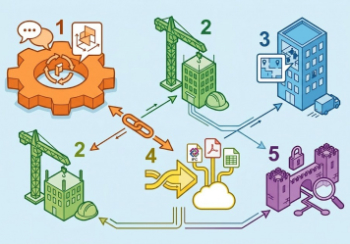
A user gives their low down.

A UK training and membership provider for mould remediation professionals.
Building Safety recap April, 2026
A short and longer run-through of the month, with links to further information and sources.

CIAT May 2026 briefing.

Independent NSI and BAFE study exploring how organisations are changing the way they buy fire safety services.

From medieval scribes to modern word art.

ECA welcomes crackdown on late payment and push for clean energy, whilst CIOB seek fixed cladding removal timeframes.
Cyber Security in the Built Environment
Protecting projects, data, and digital assets: A CIOB Academy TIS.
Managing competence in the built environment

ITFG publishes new industry guide on how to meet the ICC principles.
The UK's campaign to reduce noise pollution: Mythbusting, articles and topic guides.