






How Chilean Projects Achieve Green And Intelligent Production With Concrete Batching Plants
Chilean construction projects are increasingly focused on efficiency, sustainability, and digital transformation. As urbanisation expands and infrastructure needs grow, companies are under pressure to adopt equipment that supports both environmental protection and intelligent management. A well-configured concrete plant in Chile can address these demands by reducing emissions, improving resource efficiency, and ensuring precise production. Choosing the right setup also helps contractors optimise their budget, since the concrete plant price is only one factor in long-term project costs.

[edit] The Role Of Concrete Batching Plants In Sustainable Construction
Concrete is the backbone of Chile’s engineering sector, but its production can create significant environmental challenges. Dust emissions, water usage, and energy consumption must be carefully managed. Batching plants designed with eco-friendly systems, such as dust collectors and water recycling units, help companies meet stricter regulations. For investors comparing markets, even looking at a concrete plant Peru for sale offers insights into regional standards and potential best practices for sustainability.
[edit] Environmental Features That Make A Difference
- Dust Collection Systems: Prevent harmful particles from contaminating the environment.
- Water Recycling: Reduces consumption and lowers operational costs.
- Energy-Efficient Mixers: Lower electricity usage while maintaining high performance.
[edit] Intelligent Production Through Automation
Modern plants are no longer just mechanical units; they integrate digital technologies that improve accuracy and reduce human error. Intelligent production systems can automatically control aggregate weighing, water dosing, and mixing times, ensuring consistent quality in every batch.
[edit] Benefits Of Intelligent Systems
- Real-time monitoring of production
- Reduced labour dependency
- Automatic alerts for maintenance
- Improved precision in raw material ratios
For contractors, these features not only guarantee better construction outcomes but also help avoid costly downtime. While the concrete plant price of an automated system may be higher, the long-term savings from efficiency and reduced errors justify the investment.
[edit] Rational Configuration For Different Project Needs
[edit] Large Infrastructure Projects
For highways, bridges, or mining-related facilities, high-capacity stationary plants with advanced automation ensure steady and continuous output.
[edit] Urban Development Projects
Medium-capacity plants with flexible configurations work best for housing, commercial centres, and public buildings.
[edit] Remote And Temporary Projects
Mobile units offer easy installation and relocation, making them suitable for Chile’s geographically diverse regions. Contractors who compare equipment locally and regionally—such as considering a concrete plant Peru for sale gain a wider perspective on mobility and adaptability.

[edit] Cost Considerations And Lifecycle Value
When evaluating a concrete plant in Chile, it is essential to look beyond the initial purchase cost. The true value lies in lifecycle performance, including energy efficiency, spare parts replacement, and compliance with environmental standards.
[edit] Key Cost Factors
- Initial Purchase: Defined by plant capacity and configuration.
- Operational Costs: Energy, labour, and water usage.
- Maintenance And Spare Parts: Availability and affordability directly affect downtime.
- Resale Value: Plants with advanced features maintain higher value in the second-hand market.
By comparing lifecycle expenses, contractors can make smarter decisions rather than focusing solely on the upfront concrete plant price.
[edit] Meeting Environmental Standards In Chile
Chilean authorities have gradually tightened regulations on emissions and waste management in the construction sector. Companies that invest early in compliant equipment avoid penalties and improve their market reputation. Modern batching plants designed for low emissions and recycling systems not only meet local laws but also align with global sustainability practices.
[edit] Recommendations For Contractors And Investors
- Choose plants with modular eco-friendly features to prepare for future regulations.
- Balance automation with workforce needs to achieve both cost efficiency and intelligent production.
- Compare prices and features regionally; looking at a concrete plant Peru for sale may reveal competitive advantages.
- Evaluate lifecycle costs to identify the most sustainable long-term option.
- Prioritise suppliers who provide training and after-sales service, ensuring smooth integration of technology.
[edit] Conclusion
Chilean construction projects can achieve environmentally friendly and intelligent production by adopting rational batching plant configurations. A carefully chosen concrete plant in Chile allows companies to balance budget, compliance, and efficiency, while regional comparisons, such as evaluating a concrete plant Peru for sale, provide valuable benchmarks. By considering not just the concrete plant price but also lifecycle performance, contractors can future-proof their operations and lead the industry toward greener, smarter construction practices.
[edit] Related articles on Designing Buildings
- A Short Overview Of An Asphalt Batching Plant Workflow
- A Summary of Concrete Plants: Advantages, Applications, and Types
- Adapting To Site Conditions And Improving Efficiency In Complex Latin American Terrain
- Asphalt mixing plant types and considerations
- Can a Mobile Asphalt Plant Mix While Moving?
- Carbon Neutrality and Circular Economy Drive Transformation of Mining Equipment in Latin America.
- Case Studies of Peru and Colombia: The Impact of Policies on Crushing Station Procurement
- Component parts of a mobile concrete plant
- Concrete batching plants
- Concrete batching plants; technical requirements for large-scale infrastructure projects
- Concrete boom pumps
- Concrete Pump Selection and Efficiency Improvement Strategies in Latin American High-Rise Building Construction
- Detailed Explanation of Pre-Installation Preparations for Aggregate Crushing Plants
- Does a Ready-Mix Concrete Plant Need to Use a Water Heater?
- Does the Installation of a Mobile Concrete Plant Require a Foundation?
- Fixed VS Mobile Asphalt Plants: Which is More Suitable for Project Contractors?
- Global Brands in Latin America and the Market Share of Asphalt Plant Manufacturers
- How Chilean Projects Achieve Green And Intelligent Production With Concrete Batching Plants
- How Peruvian Crushing Plants Can Achieve High Capacity And Low Energy Use
- How to Configure Aggregate Production Lines to Achieve Maximum Benefits
- How to Reduce the Energy Consumption of Drum Asphalt Plants?
- Investing in a Portable Concrete Plant
- Is a Self-Loading Concrete Mixer Suitable for Rugged Environments?
- Mobile asphalt stations
- Multi-Point Mobile Stone Crushers Under Dispersed Raw Material Distribution
- Potential environmental and circular economic value of concrete pumps
- Ready-Mix Vs Conventional Batching Plants: Intelligent Control Differences
- Self-loading concrete mixers
- Self-loading concrete mixer training and team management
- Small Concrete Plants vs Large Plants: Which One is More Suitable for Your Project Needs?
- Social Responsibility and Sustainability in Stone Crushing Plants in Latin America
- Technical Engineer's Perspective: Performance of Concrete Trailer Pumps in High-Rise Buildings
- The Impact of the Accuracy of the Weighing System on Asphalt Plants
- Top Rated Concrete Mixer Truck Parts In Your Town
- Tracked Mobile Aggregate Crusher Plant with Oil Electric Dual-use
- What Are the Basic Parameters of a Mobile Asphalt Plant?
- What Are The Hidden Advantages Of A Mobile Asphalt Plant That Can Be Remotely Monitored?
- Why Is the Concrete Trailer Pump Powerful?
- What to Look for in a Concrete Batching Plant
Featured articles and news

We're expanding our collaborative mission by launching DB Intelligence, an exclusive market research advisory panel. Built environment professionals can now get paid to share their expertise on industry trends, products and services.
Panel members receive direct financial incentives for participating in research projects like short surveys, 1-2-1 interviews and focus groups. Register today to shape the future of the construction sector.
Building Safety Wiki Interviews

Chief executive of the British Woodworking Federation.
Planning condition discharge in England and Wales

A brief exoplanation from a building compliance expert, with further links.
Overheating guidance and tools for building designers

Guidance for dealing with element of building fabric control that have increasing importance.
Shading for housing, a design guide

From the Good Homes Alliance and British Blind and Shutter Association.
UK Standard Skills Classification (SSC)

A shared framework for describing skills needs.
Social media ban consultation comes to close

CIOB urges UK Government to consider social media’s role in careers guidance in ban debate.
The latest of eight Skills England apprenticeship units

The addition of battery manufacturing welcomed by ECA with a warning about the risks of fast-tracked apprenticeship units.
Building Control Independent Panel final report
A precis of a key report led by Dame Hackitt with full recommendations and link to the government response.
Building Safety recap April, 2026
A short and longer run-through of the month, with links to further information and sources.

CIAT May 2026 briefing.

From medieval scribes to modern word art.
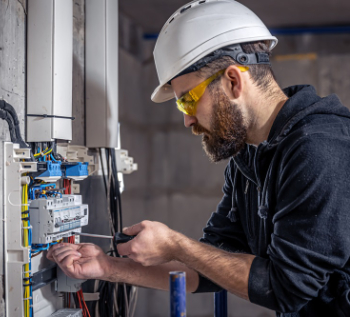
ECA welcomes crackdown on late payment and push for clean energy, whilst CIOB seek fixed cladding removal timeframes.
Cyber Security in the Built Environment
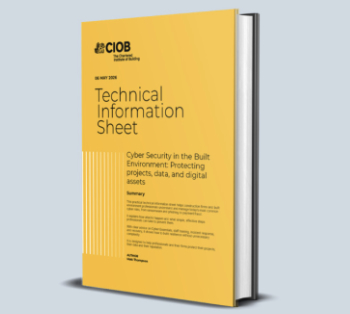
Protecting projects, data, and digital assets: A CIOB Academy TIS.
Managing competence in the built environment

ITFG publishes new industry guide on how to meet the ICC principles.