





Arcade

Contents |
[edit] What is an arcade?
In classical architecture, the term ‘arcade’ refers to a series of arches supported by columns or other vertical elements such as piers. This can be used to form a passageway between arches and a solid wall, or a covered walkway providing access to commercial buildings or markets. Arcades are structurally very strong, and so can carry large loads and stretch for large distances. Arcades have also featured in medieval cloisters, Islamic courtyards, Renaissance commercial streets, Middle Eastern bazaars and Baroque marketplaces.

[edit] Contemporary arcades
Arcades are also used in modern language to describe covered locations that house different types of activities, normally laid out in series or in a row, such as shop fronts or games machines: Shopping arcade or gaming arcade (also used in the singular called an arcade cabinet).

[edit] History of arcades
Arcades were first developed by the Romans, who took inspiration from ancient aqueduct designs. They used arcades to construct large wall structures; the most famous example being the Colosseum in Rome which has 80 arcaded openings on its first three storeys.
Roman arcades came to be distinguished by the use of pilasters that were attached to piers carrying an entablature. The form developed to become arches resting on the capitals of a row of columns. This style was also adopted during the Gothic period as a decorative element used to divide a church’s nave wall into three horizontal parts.
[edit] Related articles on Designing Buildings
- Agora.
- Arches.
- Architrave.
- Balustrade.
- Barrel vault.
- Blind arcade.
- Canopy.
- Classical orders in architecture.
- Cloister.
- Colonnade.
- Corridor.
- Courtyard.
- Difference between pillars and columns.
- Elements of classical columns.
- Flying buttress.
- Loggia.
- Narthex.
- Pedestal.
- Pergola.
- Pilaster.
- Pilotis.
- Portico.
- Pteron.
- Roman Colosseum.
- Spandrel.
- Vault.
- Walkway.
Featured articles
Check out some of the best features and news from Designing Buildings as well as key stories from around the web.

ECA welcomes plans to strengthen subcontractor quality control.

Combining mid-career qualifications with experience broadens career opportunities.

Why being a mentor can help your career.

Channel 4 broadcaster to host 125th anniversary ceremony.
Listed structures on the rail network
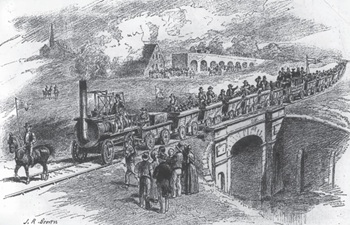
Heritage interests and operational requirements must be balanced.
Historic England publishes research into embodied carbon when retrofitting traditional buildings.

New Prime Minister delivers on ECA call for cut in electricity costs.

CIOB reacts to the announcement of Andy Burnham as Prime Minister.

Heritage and conservation science workforce survey - Have your say.
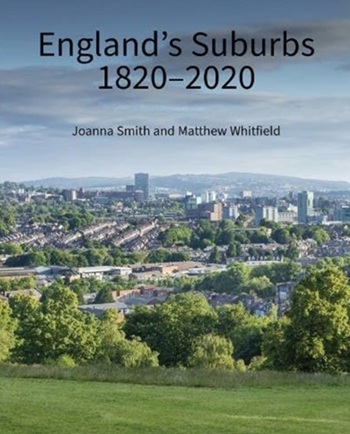
England's Suburbs 1820-2020. Book review.

New, more proportionate and targeted approach for higher-risk building assessments.
Government brings British Steel into public ownership.