




Narthex
|
|

Gardner’s Art Through the Ages (eighth edition) was published in 1986. It was published by Harcourt Brace Jovanovich and written by Horst de la Croix and Richard G. Tansey.
It defines a narthex as: A porch or vestibule of a church, generally colonnaded or arcaded and preceding the nave.
A narthex is similar to a vestibule, but a vestibule is generally a passageway between the outside and inside of the building, while a narthex is a passageway that specifically leads towards the nave, particularly in early Christian and Byzantine basilicas and churches.
Its purpose was to provide a waiting area for those deemed unworthy (such as penitents) of entry to - or participation in - the service. Baptismal fonts were often placed in the narthex, so those who were not yet baptised could enter the nave after the sacrament was performed.
In modern churches, a narthex is an antechamber or large porch.
[edit] Related articles on Designing Buildings Wiki
Featured articles
Check out some of the best features and news from Designing Buildings as well as key stories from around the web.

Version 6 is now available, along with guidance for ECA members.

Post-War Homes: mid-century British architecture. Book review.

CIAT reflects on the party conferences.

CIOB announce the winners of the Art of Building photography competition.

National Scheme of Delegation introduced.

The cost of employing people remains a concern.
Code of Practice for Electrical Energy Storage Systems.

ECA calls on members to comment on draft 4th edition.
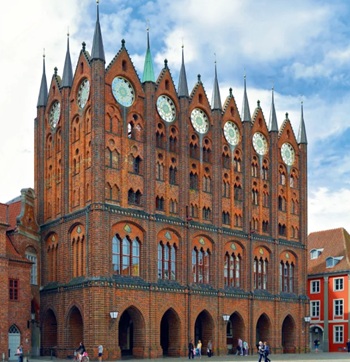
Bringing together expertise and creating cultural benefits.

CIOB celebrates positive Ofsted report.

The Building Safety Regulator announces a call for evidence.
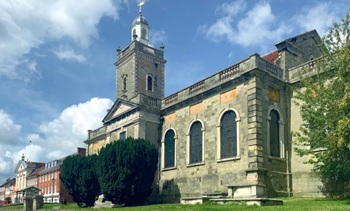
Government approach could undermine delivery and regeneration.
World's first mass timber data centre.
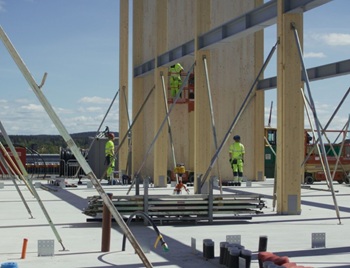
The overlooked environmental aspect of data centre development.