





Terrace Waterproofing Contractors to Prevent Damage
[edit] Introduction
Water leakage from terraces is one of the most commonly overlooked problems in commercial and industrial buildings. What may appear to be a minor seepage issue today can quickly develop into damp ceilings, damaged finishes, deterioration of reinforced concrete, corrosion of embedded steel reinforcement, and costly structural repairs.
Many property owners only take action after visible signs of damage appear. Unfortunately, by that stage, water may already have penetrated deep into the building fabric, weakening materials and significantly increasing repair costs. Timely investigation and effective waterproofing are therefore essential for protecting the long-term performance of a building.
[edit] The Real Problem Behind Terrace Water Damage
Terraces are continuously exposed to harsh environmental conditions, including rainfall, standing water, ultraviolet radiation, temperature fluctuations and general weathering. Over time, these factors can degrade waterproofing systems and construction materials.
Once waterproofing begins to fail, water can penetrate through cracks, joints and porous areas of the roof slab, leading to moisture ingress and progressive deterioration.
Common causes of terrace leakage include:
- Cracks in reinforced concrete slabs.
- Poor drainage resulting in standing water.
- Deteriorated or damaged waterproofing membranes.
- Surface wear caused by prolonged weather exposure.
- Defective or poorly detailed construction joints.
- Age-related deterioration of terrace finishes and substrates.
Although these defects may initially seem minor, they can develop into significant maintenance and structural issues if left untreated.
[edit] Warning Signs That a Terrace Needs Waterproofing
Many buildings exhibit early warning signs before serious leakage develops. Addressing these symptoms promptly can help avoid extensive remedial work.
Signs that may indicate the need for professional waterproofing include:
- Water seepage during or after rainfall.
- Damp patches on ceilings or walls.
- Peeling paint or damaged plaster finishes.
- Visible cracks in the terrace surface.
- Persistent musty or damp odours indoors.
- Standing water on the terrace after rain.
- Mould or fungal growth.
[edit] How Professional Waterproofing Contractors Address Leakage
Professional waterproofing involves much more than simply applying a coating over an existing surface. Effective solutions begin by identifying and rectifying the underlying causes of water ingress.
[edit] Terrace Inspection and Diagnosis
A successful waterproofing project starts with a comprehensive inspection of the terrace and associated details.
Areas typically assessed include:
- Cracks and damaged surfaces.
- Existing waterproofing defects.
- Areas where water ponds.
- Drainage performance.
- Surface deterioration.
- Construction and movement joints.
Identifying the root cause ensures that repairs address the underlying problem rather than merely concealing symptoms.
[edit] Repairing Cracks and Defects
Applying waterproofing materials over damaged substrates is unlikely to provide a durable solution.
Cracks, deteriorated concrete and other defects should be repaired before waterproofing works commence, creating a sound and stable base for the new system.
[edit] Selecting an Appropriate Waterproofing System
Different terraces require different waterproofing solutions depending on their construction, condition and exposure.
- Liquid-applied waterproof membranes.
- Cementitious waterproofing systems.
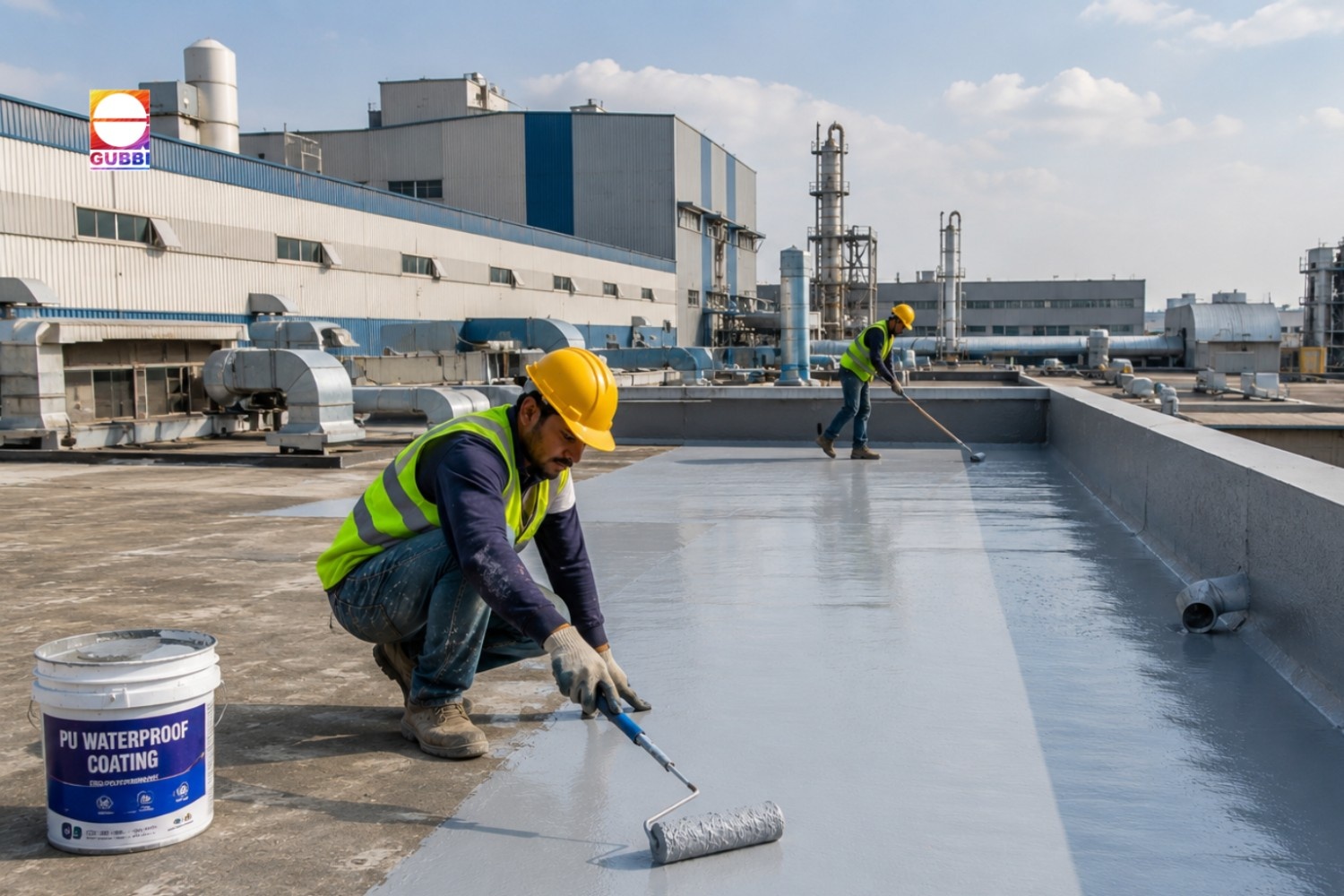
- Polyurethane waterproof coatings.
- Protective waterproof sealants.
- Bituminous or sheet membrane systems where appropriate.
Selecting the correct system can significantly improve durability and reduce the likelihood of future water ingress.
[edit] Improving Drainage
Standing water is a major contributor to waterproofing failures.
As part of the remedial works, drainage arrangements should be assessed to ensure that rainwater is discharged effectively and does not accumulate on the terrace surface.
- Water ponding.
- Moisture accumulation.
- Premature deterioration of waterproofing materials.
- Long-term seepage problems.
[edit] Why Professional Terrace Waterproofing Matters
Temporary repairs or superficial patching may provide short-term relief but rarely address the underlying causes of leakage.
Appropriate waterproofing can:
[edit] Prevent Costly Structural Repairs
Early intervention can prevent moisture-related deterioration that would otherwise require extensive remedial works.
[edit] Protect Reinforced Concrete Structures
By limiting water penetration, waterproofing reduces the risk of corrosion of embedded reinforcement and associated concrete damage.
[edit] Extend Building Service Life
Properly maintained waterproofing systems contribute to the long-term durability of roofs and terraces.
[edit] Reduce Maintenance Costs
Preventative maintenance and timely waterproofing can reduce the frequency and cost of future repairs.
[edit] Maintain Property Value
Buildings that remain dry and well maintained are generally more attractive to occupiers, purchasers and investors.
Waterproofing should therefore be regarded as an investment in protecting the building fabric rather than simply an additional maintenance expense.
[edit] Why Delaying Waterproofing Can Increase Costs
One of the most common mistakes building owners make is postponing waterproofing work until leakage becomes severe.
Minor defects can eventually lead to:
- Ceiling damage.
- Concrete deterioration.
- Mould growth.
- Structural weakening.
- Corrosion of reinforcement.
- Extensive rehabilitation works.
Addressing problems at an early stage is almost always more economical than undertaking major repairs after significant deterioration has occurred.
[edit] Choosing a Suitable Waterproofing Contractor
When appointing a contractor, it is advisable to select one that:
- Carries out detailed inspections before recommending solutions.
- Provides waterproofing systems suited to the specific building and defect.
- Uses high-quality materials appropriate for the application.
- Has relevant experience with commercial and industrial projects.
- Focuses on long-term performance rather than temporary repairs.
[edit] Conclusion
Terrace leakage should never be dismissed as a minor maintenance issue. Untreated water ingress can compromise finishes, reduce durability and, over time, contribute to significant structural deterioration and increased repair costs.
Professional waterproofing works help identify hidden defects, repair damaged areas and install durable waterproofing systems tailored to the needs of the building. Early intervention can prevent extensive damage and reduce lifecycle maintenance costs while helping to preserve the integrity and value of the property.
[edit] Related articles on Designing Buildings
Featured articles
Check out some of the best features and news from Designing Buildings as well as key stories from around the web.

CIOB publishes free template to help assess and manage risks.
ECA's reflections on Party Conference season

Burnham wants to be confident of winning before asking for a fresh mandate.
New Chief Construction and Scientific Adviser

Sergio Cavalaro, Professor of Infrastructure Systems at Loughborough University.
Building safety levy for England

CIAT publish estimator tool for members.

Water sector faces a growing crisis that could slow the delivery of vital infrastructure.
Undervaluing our industrial past

Heritage value changes as taste for building styles changes.
Changing expectations around competence and compliance

New information sheet from CIAT.
Grenfell investigation files passed to CPS

Angela Rayner apologises on behalf of the British state.

Electrical contractors need to understand the practical implications.

The real barrier to getting more value from digital technology.

Your guide to The Construction Reset at UKCW Birmingham.

Accommodating the Victorian and Edwardian working woman. Book review.