






Lighting and energy efficiency

The rising efficiency standards and falling purchase prices of LED technology mean that businesses can now expect a shorter pay-back on their investment according to Peter Hunt, chief operating officer at the Lighting Industry Association.
Energy-efficient lighting products are particularly well suited to retrofitting applications, Hunt explains, due to the minimal disruption they cause to building fabric, and recent improvements in LED technology.
“LEDs have undergone a rapid technological evolution over the past few years and have become a much more fitting replacement for earlier light sources,” he said. “Older LEDs produced a very blue light, but modern LEDs have advanced to the point where you would be hard-pushed to tell the difference.
“Efficiency has also continued to improve. If you're comparing the output of LEDs with traditional commercial technologies such as halogen lamps, then the energy savings are now about 80%. At the same time prices have been tumbling. They've fallen 20% for three consecutive years. Lighting products that were quite expensive are now much more affordable.”
Nevertheless, a reduction in energy costs is not the only motivation for installing an energy efficient lighting system, he continued. “What many businesses overlook is the extended lifespan of new lighting technologies. Many modern LEDs can last up to 50,000 hours, compared with 2,000 hours for halogen lamps. That's 25 lamp replacements, plus the expense of calling out a maintenance engineer, which can often cost more than the lamp itself. For large commercial applications the savings can be immense.”
Improved return on investment means there is now a strong business case to switch to new technology according to Hunt: “A three-year break-even period a few years back, could now be as short as a year or less. Lighting really is the low-hanging fruit of energy-efficiency.”
Surprisingly, however, the largest savings that energy-efficient lighting can offer may in fact come from HR budgets. “There's been quite a lot of research into the link between lighting and wellbeing,” observed Hunt. “Working under light that is too bright, too dim or the wrong colour has been shown to negatively affect health.”
Energy-efficient lighting systems can help to maintain a consistent, high-quality level of illumination, explains Hunt. “The latest systems can dim down lights closest to windows when the sun is shining, for example. They also have the capacity to adjust the colour temperature of light throughout the day to match natural human biorhythms, promoting a more restful night's sleep.”
This is a point Sara Kassam, Head of Sustainability at the Chartered Institute of Building Service Engineers (CIBSE), agreed with: “With businesses typically spending 1% of their budgets on energy and 90% on staffing costs, many are realising that the big incentive for installing energy-efficiency technology may not actually be the cost of energy, but the potential it has to make staff more comfortable and productive in the workplace”.
Equally, many business leaders are recognising the potential risks from inaction on energy consumption, she explained. “Shareholders want to see a business being run efficiently. Operating outdated and wasteful technology is not good when you're looking for wider investment.”
“Energy-efficiency is also important in terms of your business' energy security,” Kassam cautioned. “Wider political issues are creating uncertainty about what will happen to energy prices in three to five years' time. Becoming as efficient as possible now cushions your business against that risk,” she advised. “After all, the cheapest unit of electricity is always the one you don't spend.”
This article originally appeared as Lighting: the low hanging fruit of energy efficiency, published on 11 January 2016. It was posted here by --BSRIA
[edit] Related articles on Designing Buildings
- Artificial lighting.
- BRE Expert Collection 6 Daylight and shading.
- Building engineering physics.
- CIBSE Case Study Hepworth Gallery Lighting.
- Commercial lighting.
- Daylight Lighting Systems.
- General lighting v task lighting.
- Health and wellbeing impacts of natural and artificial lighting.
- Lamp.
- Light as a Service LaaS.
- Light Pollution - Human Health Impacts from LEDs.
- Lighting.
- Lighting and health infographic.
- Lighting and offices.
- Lighting control.
- Lighting designer.
- Lighting energy numeric indicator LENI.
- Lighting of construction sites.
- People-friendly lighting controls.
- The essential guide to retail lighting.
- Types of lighting.
- Use of lighting to improve health and wellbeing.
- Voltage.
- Working with lighting maintenance contractors.
Featured articles
Check out some of the best features and news from Designing Buildings as well as key stories from around the web.

Electrical contractors need to understand the practical implications.

The real barrier to getting more value from digital technology.

Your guide to The Construction Reset at UKCW Birmingham.

Accommodating the Victorian and Edwardian working woman. Book review.
Rethinking passive fire protection in design

PFP demands the same level of design rigour as structure or services.

38% of Gen Zs feel safe when a fire door is wedged open.
Stunning images from around the world
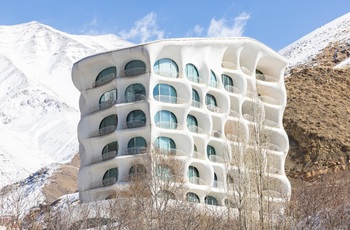
Shortlist for CIOB’s Art of Building photography competition.

Guidance for conversion of traditional pre-1919 stone buildings.
Industrial heritage in the Ruhr
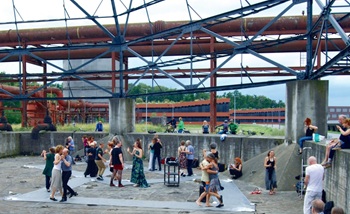
A marked difference to the fate of industrial landscapes in the UK.
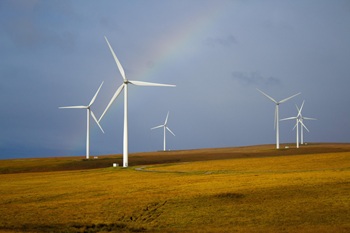
Communities will be able to build their own clean energy.
Why diversity and inclusion matters for SMEs

CIOB’s D&I Charter shows how practical changes can support long-term growth.
Cut electricity bills to power growth

Coalition sends joint letter to the Chancellor.
Comments
Of course an added benefit to LED lighting, is that when it meets certain qualifying criteria, it can be eligible for 'enhanced capital allowances' giving a first year, tax written down value of 100%. Normal lighting gets written down at 8% on a recurring basis, year after year. That's a big difference in terms of cost savings and cost recovery.
https://uk.linkedin.com/in/thomaswebb84