




Camel Dust Indian Sandstone: UK Garden Design Ideas

[edit] Introduction
Camel Dust Indian Sandstone is a natural stone paving material used in garden landscaping and external hardstanding. Its earthy colour tones and natural variations in texture can complement a range of architectural styles, from traditional properties to contemporary residential developments.
The appearance of sandstone paving depends on its geological characteristics, surface finish, weathering and installation. Camel Dust is a commercial product name rather than a geological classification, so the precise colour range and technical properties should be established from samples and product specifications before selection.
When incorporated into a garden design, sandstone can provide a consistent visual connection between patios, pathways, steps and other landscape features. The choice of surrounding materials, planting and paving layout can help determine the overall character of the outdoor space.
[edit] Garden design ideas using Camel Dust Indian Sandstone
[edit] Creating patios and outdoor seating areas
A patio often provides the main gathering area within a garden. Camel Dust Indian Sandstone can be used to create a natural-looking paved surface for outdoor dining, seating and entertaining.
The earthy tones of the stone can be combined with natural timber furniture, neutral outdoor fabrics and planting to create a balanced appearance. In larger gardens, paving can also be used to define separate functional areas, such as dining spaces, seating areas and outdoor kitchens.
The paving layout should reflect the dimensions and intended use of the patio. Larger paving units can create a relatively simple, uninterrupted appearance, while mixed-size paving patterns can introduce a more traditional character.
[edit] Combining sandstone with other garden materials
The surrounding materials influence the overall appearance of a sandstone-paved garden. Camel Dust Indian Sandstone can be combined with a variety of natural and manufactured materials, including:
- Red brick walls: Complement the earthy tones of sandstone and create a traditional appearance.
- Natural timber: Introduces a contrasting texture and can soften the appearance of paved areas.
- Dark garden furniture: Provides visual contrast against lighter stone surfaces.
- Green planting: Shrubs, ornamental grasses and other vegetation provide colour and texture.
- Neutral wall finishes: Create a relatively understated background that allows the natural variations in the stone to remain prominent.
Material selection should take account of the existing architecture, boundary treatments and other landscape features to maintain a consistent design.
[edit] Connecting different garden areas
A coordinated paving scheme can help create visual continuity between different parts of a garden. Camel Dust Indian Sandstone can be used across patios, pathways, seating areas and steps to establish a consistent material palette.
Different paving dimensions and laying patterns can distinguish individual areas without introducing unrelated materials. For example, larger paving units may be used for a main patio, with narrower or smaller units forming connecting pathways.
Complementary stone can also be incorporated into steps, wall copings and raised planting beds. Where different stone products are combined, their colours, textures and physical properties should be assessed to ensure compatibility.
[edit] Designing small gardens and courtyards
In smaller gardens, a consistent paving material can help create a more unified appearance. Camel Dust Indian Sandstone may be suitable for compact patios and courtyards, subject to the dimensions and technical requirements of the selected paving.
A relatively simple paving layout can reduce visual clutter, while carefully positioned planting can soften boundaries and introduce variation. Furniture should be proportionate to the available space, with sufficient room retained for circulation and access.
The use of complementary materials should be controlled to avoid making a small outdoor area appear visually fragmented. Consistent paving across adjoining areas can also help create a sense of continuity.
[edit] Using sandstone in shaded and north-facing gardens
Garden orientation and exposure to sunlight influence the appearance and maintenance requirements of external paving. North-facing gardens and areas beneath trees or buildings may receive limited direct sunlight and can remain damp for longer periods.
Physical samples of Camel Dust Indian Sandstone should be examined in the intended location under different lighting conditions. Natural stone can appear different when wet, dry, shaded or exposed to direct sunlight.
Drainage is particularly important in shaded areas where moisture may persist. Paving should be installed with appropriate falls, and the surrounding landscape should allow water to drain away rather than accumulate on the surface. Persistent dampness and organic growth, including moss and algae, can affect the appearance and slip performance of paving.
[edit] Combining natural sandstone with contemporary landscaping
Natural sandstone can be incorporated into both traditional and contemporary garden designs. The overall appearance depends on the paving format, surface finish, laying pattern and relationship with other landscape elements.
For a contemporary design, Camel Dust Indian Sandstone can be combined with:
- Simple, clean-lined garden furniture.
- Geometric raised planting beds.
- Contemporary outdoor lighting.
- Minimalist boundary walls.
- Structured planting and ornamental grasses.
A restrained material palette and relatively regular paving layout can create a modern appearance while retaining the natural variation of the stone. Complementary stone finishes can also be used for steps, seating areas and boundary features.
[edit] Planning for seasonal conditions and maintenance
External paving in the UK is exposed to rainfall, frost, temperature fluctuations and seasonal changes in vegetation. These conditions should be considered when selecting and installing natural sandstone.
The suitability of a particular product depends on its physical properties, including water absorption, strength and resistance to frost and weathering. Technical information should be obtained for the specific stone rather than relying on its commercial name or appearance.
The paving construction should incorporate an appropriately designed sub-base, bedding and jointing system. Falls and drainage should prevent prolonged standing water, while the surface finish should provide suitable slip resistance for its intended use, particularly in areas exposed to rain.
Sandstone is a porous natural material and can absorb water and contaminants. Regular sweeping helps remove leaves, soil and other debris that may encourage organic growth. Cleaning products should be suitable for natural sandstone, as aggressive acidic or alkaline treatments can damage some stone surfaces. Pressure washing should also be undertaken cautiously because excessive pressure can erode the stone or damage joints.
Sealing is not universally necessary. Where a sealer is considered appropriate, it should be compatible with the particular sandstone and surface finish. A small test area can help establish whether the treatment changes the colour or appearance of the stone.
[edit] Frequently asked questions
[edit] What garden styles work well with Camel Dust Indian Sandstone?
Camel Dust Indian Sandstone can be incorporated into traditional, rustic and contemporary garden designs. The overall appearance depends on the paving format, surface finish and combination of surrounding materials, furniture and planting.
[edit] Can Camel Dust sandstone be combined with other paving materials?
Yes. Sandstone can be combined with other natural stones, brick, timber and manufactured paving materials, including porcelain. The colours, textures, thicknesses and installation requirements of the different materials should be considered to achieve a coordinated and durable finish.
[edit] How can sandstone paving make a small patio look more spacious?
A relatively simple paving layout, consistent materials and limited changes in colour can help create a more unified appearance. Maintaining clear walking routes and selecting appropriately sized furniture can also make better use of a restricted outdoor area.
[edit] Should sandstone samples be examined before selecting a paving scheme?
Yes. Natural sandstone exhibits variations in colour, texture and pattern, and individual slabs may differ from one another. Several representative samples should be examined in the intended location under different lighting and weather conditions before the material is specified.
[edit] How should a Camel Dust sandstone patio be maintained?
Regular sweeping and the removal of organic debris can help maintain the appearance of sandstone paving. Cleaning products should be suitable for natural stone, and aggressive cleaning chemicals should be avoided unless their compatibility with the particular sandstone has been established. The condition of joints and drainage should also be checked periodically.
[edit] Is Camel Dust Indian Sandstone suitable for use in the UK climate?
Its suitability depends on the physical properties of the particular product, including water absorption, frost resistance and strength. Technical information and relevant test results should be obtained before specifying the stone for external paving. Appropriate installation, drainage and maintenance are also important for long-term performance.
[edit] Related articles on Designing Buildings
Featured articles
Check out some of the best features and news from Designing Buildings as well as key stories from around the web.
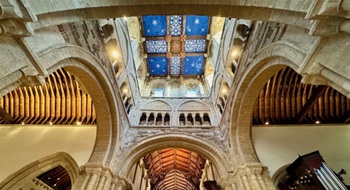
Dorset's first conservation campaigner?
Gov.uk - Hot-rolled steel plate

New anti-dumping measure imposed on South Korea.
ECA responds to the Milburn Report

Youth employment to be linked to workforce demand.
The construction industry urgently needs to attract new talent

CIOB responds to Neets report.
Grenfell Tower community update

Memorial columns to be retained as careful dismantling continues.
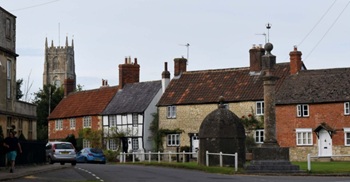
When buildings reflected the local resources available.

CIOB reports 57% are using artificial intelligence technologies.
More of England’s ‘hidden heroes’ will be celebrated.

CIAT calls for retrofit to be a priority.

Version 6 is now available, along with guidance for ECA members.
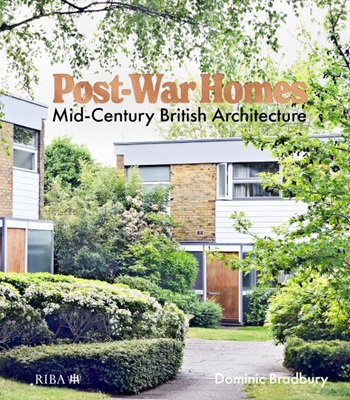
Post-War Homes: mid-century British architecture. Book review.

CIAT reflects on the party conferences.