





Sandwich panel
Contents |
[edit] Introduction
Sandwich panels, also referred to as metal composite material (MCM), metal composite panels (MCP), aluminium composite materials (ACM), insulated metal panels, structural insulating panels (SIP) and a few other terms, essentially consist of two layers of a rigid material bonded (often metallic but also engineered timber) to either side of a lightweight core (often a blown insulant but also mineral wool and other materials). The three components act together as a composite; that is, the combination of the characteristics of the components results in better performance than would be possible if they were acting alone.
The lightweight core keeps the two faces in the correct position, resists shear forces, and provides insulation, while the two faces provide durability, weather and impact resistance, and resist in-plane forces of tension and compression. In general the term sandwich panel is associated with thicker products used in the installation of single layer wall systems (sometimes referred to as insulated metal panels), but the term can also refer to thinner products manufactured for use in rainscreen systems (such as metal composite material panel systems). 
Sandwich panel systems include the panels themselves (made up of formed outer and inner layers and the core material of differing thicknesses), the joints between them, fixings (often concealed) and a support system, differing depending on the whether a single layer system or a double layer rainscreen and detail designs.
[edit] History and development
Composite cladding systems have been in use for a considerable time, in particular for the manufacture of vehicles such as trains and planes, but the development of advanced sandwich panels for cladding buildings first began in the 1930’s, when they were researched by organisations such as the Forest Products Laboratory, and used by architects including Frank Lloyd Wright. They went on to become increasingly popular following the second world war.
Modern sandwich panels can be flat, bent, curved and joined together in an almost unlimited range of configurations and are available in a wide variety of colours, finishes, thicknesses, edge details and profiles depending on performance requirements.
They are generally fabricated off-site and are particularly useful where a high-performance cladding is required, with good structural strength, a high level of insulation and low weight.

[edit] Uses
Sandwich panels are widely used as an external cladding for single and multi-storey buildings, where they are required to provide weather resistance, and resistance to wind-loading, access loads, self-weight and so on. However, they are also used to create insulated internal envelopes, ceiling panels, partitions (for example in cold stores) and for fire-resisting compartment walls.
Building types that commonly feature sandwich panels include:
- Industrial buildings and processing plants.
- Temporary buildings.
- Storage buildings.
- Clean rooms.
- Agricultural buildings.
- Shopping centres.
- Sports facilities.
- Transport buildings.
[edit] Materials
The outer faces of sandwich panels are most commonly made of metals such as:
However, other materials that can be used include:
- Precast concrete, sometimes clad with other finishes such as brick.
- Cement board.
- Glass fibre reinforced polypropylene.
- Poly vinyl chloride (PVC).
- Magnesium oxide board (MgO).
- Plywood.
- Oriented strand board (OSB).
- Glass reinforced plastic (GRP).
Cladding systems typically include a rigid polyurethane core, but other core materials include:
- Expanded polystyrene (EPS).
- Extruded polystyrene (XPS).
- Mineral wool (rock fibre) (MWRF).
- Modified Phenolic foam (MPHEN).
- Polyisocyanurate (PIR).
- Folded metal, paper, aramid and carbon fibres. See Foldcore for more information.
- Honeycomb materials (such as Polypropylene).
[edit] Properties
Sandwich panels can be selected because of their:
- Ease and speed of installation.
- Rigidity.
- Thermal, fire and sound insulation.
- Airtightness
- Robustness and durability
- Low maintenance / cleaning requirements.
- Low capital cost.
- Low lifetime costs
- Chemical and biological resistance
- Light weight.
- Weather resistance.
- Dimensional stability.
- Availability as standard products off-the-shelf.
However, There can be particular difficulties associated with buildings containing combustible sandwich panels. For more information see Fire performance of sandwich panel systems, Association of British Insurers, May 2003.
[edit] Related articles on Designing Buildings
- Building fabric.
- Cladding.
- Composites.
- Curtain wall systems.
- Foldcore.
- Glazing.
- Insulated metal panel.
- Metal composite panels.
- Metal composite material panel systems MCM and MCP.
- Metal profile cladding.
- Polyurethane spray foam in structurally insulated panels and composite structures.
- Precast concrete cladding.
- Rainscreen.
- Structural Insulated Panels.
- Wall types.
- Weatherboarding.
Featured articles and news
Costs and insolvencies mount for SMEs, despite growth
Construction sector under insolvency and wage bill pressure in part linked to National Insurance, says report.
The place for vitrified clay pipes in modern infrastructure
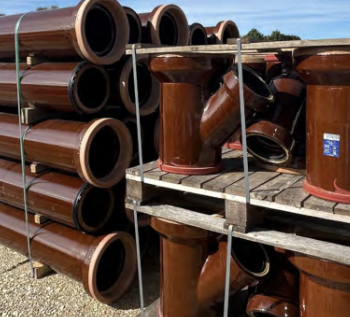
Why vitrified clay pipes are reclaiming their role in built projects.
Research by construction PR consultancy LMC published.
Roles and responsibilities of domestic clients
ACA Safety in Construction guide for domestic clients.
Fire door compliance in UK commercial buildings

Architect and manufacturer gives their low down.
Plumbing and heating for sustainability in new properties
Technical Engineer runs through changes in regulations, innovations in materials, and product systems.
Awareness of the Carbon Border Adjustment Mechanism
What CBAM is and what to do about it.
The new towns and strategic environmental assessments
12 locations of the New Towns Taskforce reduced to 7 within the new towns draft programme and open consultation.
Buildings that changed the future of architecture. Book review.
The Sustainability Pathfinder© Handbook
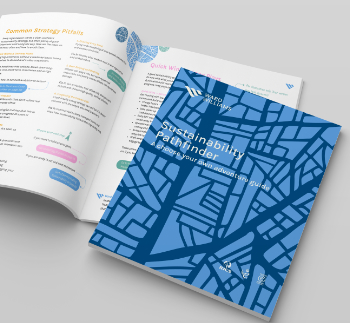
Built environment agency launches free Pathfinder© tool to help businesses progress sustainability strategies.

Government outcome to the late payment consultation, ECA reacts.
IHBC 2025 Gus Astley Student Award winners

Work on the role of hewing in UK historic conservation a win for Jack Parker of Oxford Brookes University.
Future Homes Building Standards and plug-in solar
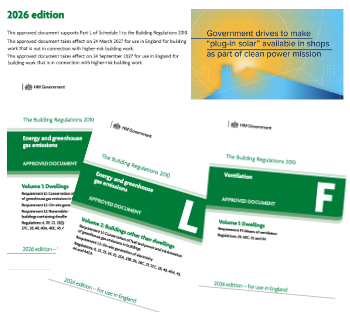
Parts F and L amendments, the availability of solar panels and industry responses.
How later living housing can help solve the housing crisis
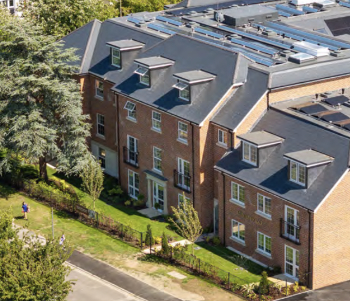
Unlocking homes, unlocking lives.
Preparing safety case reports for HRBs under the BSA
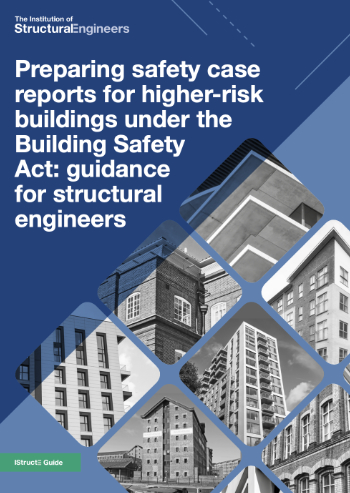
A new practical guide to preparing structural inputs for safety cases and safety case reports published by IStructE.
Male construction workers and prostate cancer

CIOB and Prostate Cancer UK encourage awareness of prostate cancer risks, and what to do about it.
Comments