





When Using a Concrete Boom Pump in Lombok Island, How Many Cubic Metres per Hour Should It Deliver to Meet Construction Schedule?
Lombok Island is rapidly developing, with new resorts, villas, and infrastructure projects transforming its landscape. From coastal roads to hillside housing, the demand for fast and reliable concrete delivery is higher than ever. For many contractors, using a concrete boom pump has become essential to keep construction progress on schedule — especially in areas with uneven terrain or limited access. But one key question always arises: how many cubic metres per hour should the boom concrete pump deliver to ensure smooth and efficient progress?

[edit] Understanding Concrete Boom Pump Output Capacity
Before selecting a boom pump, it’s important to understand how output capacity affects project efficiency. The pump’s delivery rate, usually measured in cubic metres per hour (m³/h), determines how quickly concrete can be placed at the required point. The faster the delivery, the fewer delays you face on-site.
Most concrete boom pumps for construction use in Lombok range from 40 m³/h to 120 m³/h. Smaller residential projects or villa foundations typically use 40–60 m³/h pumps, while large-scale infrastructure and hotel projects often need 80–100 m³/h capacity to keep up with the schedule. However, the right choice depends on project type, concrete volume, crew size, and distance of pumping.
To put it simply: the higher your daily target of concrete placement, the greater capacity your pump should have.

[edit] How to Match Pumping Capacity to Your Project Needs
Every project in Lombok has its own challenges — from steep terrains to limited access roads. Therefore, choosing a suitable pumping capacity should start with analysing your real working conditions. Here’s a practical breakdown to help:
[edit] 1. Small Villa or House Projects
For single villas or small residential buildings, the daily concrete pouring volume is usually below 100 m³. In such cases, a 40–60 m³/h mobile concrete pump truck is often enough. It allows continuous and stable delivery without excessive fuel consumption or idle time. This size also suits narrow sites with limited manoeuvring space.
[edit] 2. Mid-Sized Commercial or Infrastructure Projects
For projects like local schools, small hotels, or road reconstruction, the required concrete pouring volume often reaches 150–250 m³ per day. In this situation, a 60–80 m³/h pump can efficiently support your work. It ensures each batch is placed in time before the concrete starts setting, reducing waste and rework.
[edit] 3. Large-Scale Developments
For high-rise buildings, resorts, or bridge construction, you’ll need continuous and high-volume pumping. A 90–120 m³/h boom pump is the right match. It provides consistent flow and pressure for tall or long-distance pumping, helping teams pour concrete faster and meet strict deadlines. The investment pays off quickly when project speed increases and labor downtime decreases.
As you can see, selecting the right capacity is not about choosing the biggest machine — it’s about matching performance with project demands. A balanced choice saves time, fuel, and money while keeping your schedule intact.

[edit] Key Factors That Affect Pumping Efficiency in Lombok
Even with the right concrete pump Indonesia, efficiency can vary depending on local conditions. Lombok’s diverse geography — from coastal plains to mountain slopes — introduces some challenges that must be considered.
[edit] 1. Concrete Mix and Workability
A mix that’s too dry can reduce pumping speed and increase system pressure. In contrast, overly wet concrete may segregate before reaching the formwork. Proper mix design and consistent quality are crucial for smooth pumping and accurate delivery rates.
[edit] 2. Distance and Pumping Height
The farther or higher you pump, the more power the machine needs. If your project involves multiple floors or long pipelines, choose a pump with enough pressure capacity to maintain steady flow. This ensures the delivery rate stays close to the rated m³/h even under demanding conditions.
[edit] 3. Team Coordination
Efficient operation depends not only on the machine but also on your crew. Well-trained operators, good communication between batching and pouring teams, and proper scheduling all contribute to maintaining consistent delivery. When coordination improves, productivity rises naturally.
By considering these factors, you can make sure your concrete boom pump in Lombok runs at optimal performance — without unnecessary downtime or quality issues.

[edit] How the Right Boom Pump Improves Project Results
Contractors who invest in the right pumping capacity often notice a clear difference in their project results. Concrete placement becomes faster and more accurate, reducing manual labour. Schedules become more predictable, which helps meet client deadlines and control costs. Moreover, less material waste means higher overall efficiency.
In Lombok, where tourism and infrastructure projects often work under tight timelines, the ability to complete pours quickly and safely gives you a strong competitive edge. Choosing the correct concrete boom pump capacity is not just a technical decision — it’s a strategic move for long-term success.
[edit] Choosing Reliable Concrete Boom Pumps for Lombok Projects
When searching for a reliable boom pump supplier, consider not only the pump capacity but also after-sales service and local support. Downtime during peak construction seasons can delay entire projects. That’s why working with a supplier who provides on-site engineers, spare parts availability, and training support in Indonesia makes a big difference.
AIMIX offers a full range of concrete boom pumps from 40 m³/h to 120 m³/h, suitable for various project types in Lombok and other Indonesian islands. With local offices, warehouses, and service teams, we help contractors ensure continuous operation and timely project delivery. Our pumps are designed for both efficiency and reliability — perfectly matching Indonesia’s construction conditions.

[edit] Conclusion: Choose the Capacity That Keeps You on Schedule
To meet your construction schedule in Lombok, you need a concrete boom pump that delivers consistent output, fits your project scale, and performs well in local conditions. Whether you’re building a small villa or a large resort complex, matching pump capacity with daily demand is the key to success.
Featured articles and news
Costs and insolvencies mount for SMEs, despite growth

Construction sector under insolvency and wage bill pressure in part linked to National Insurance, says report.
The place for vitrified clay pipes in modern infrastructure
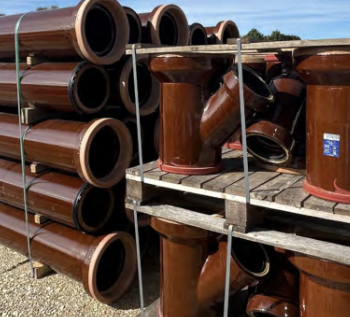
Why vitrified clay pipes are reclaiming their role in built projects.

Research by construction PR consultancy LMC published.
Roles and responsibilities of domestic clients

ACA Safety in Construction guide for domestic clients.
Fire door compliance in UK commercial buildings

Architect and manufacturer gives their low down.
Plumbing and heating for sustainability in new properties
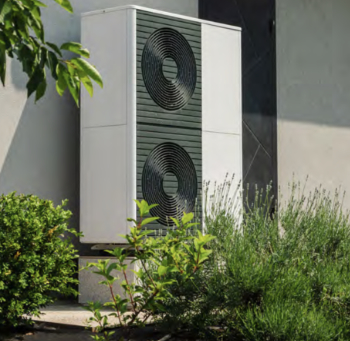
Technical Engineer runs through changes in regulations, innovations in materials, and product systems.
Awareness of the Carbon Border Adjustment Mechanism
What CBAM is and what to do about it.
The new towns and strategic environmental assessments
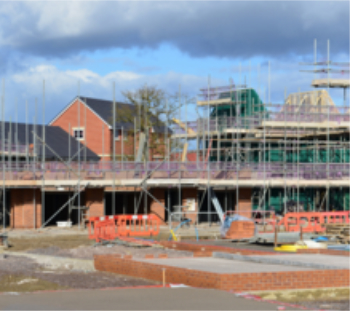
12 locations of the New Towns Taskforce reduced to 7 within the new towns draft programme and open consultation.
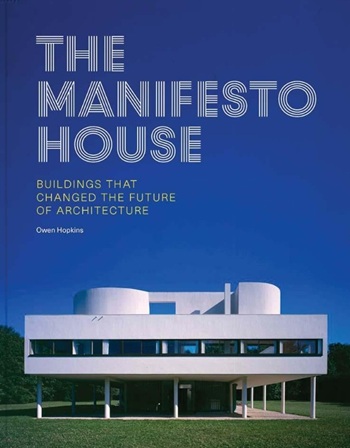
Buildings that changed the future of architecture. Book review.
The Sustainability Pathfinder© Handbook
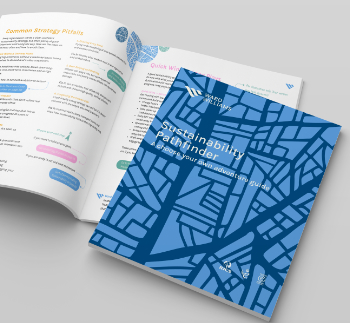
Built environment agency launches free Pathfinder© tool to help businesses progress sustainability strategies.

Government outcome to the late payment consultation, ECA reacts.
IHBC 2025 Gus Astley Student Award winners

Work on the role of hewing in UK historic conservation a win for Jack Parker of Oxford Brookes University.
Future Homes Building Standards and plug-in solar
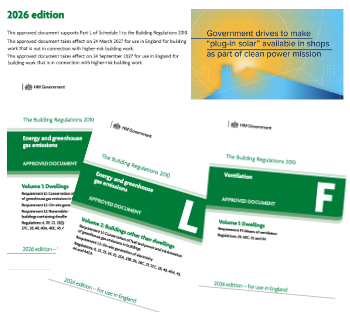
Parts F and L amendments, the availability of solar panels and industry responses.
How later living housing can help solve the housing crisis
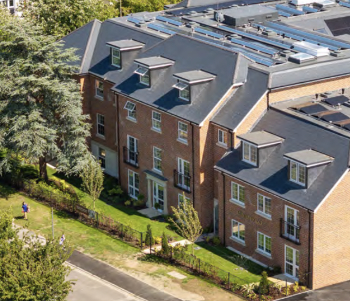
Unlocking homes, unlocking lives.
Preparing safety case reports for HRBs under the BSA
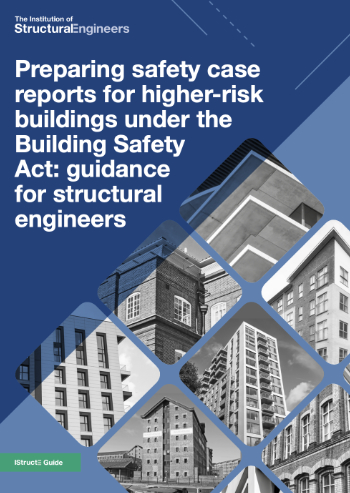
A new practical guide to preparing structural inputs for safety cases and safety case reports published by IStructE.
Male construction workers and prostate cancer

CIOB and Prostate Cancer UK encourage awareness of prostate cancer risks, and what to do about it.