





Tips for Ensuring Safety with Lifting Equipment
Contents |
[edit] Introduction
The operation of lifting equipment such as cranes, forklifts, and hoists poses inherent risks that can lead to accidents, injuries, or even fatalities if not managed with utmost care and attention. In this guide, we will explore essential measures and guidelines for guaranteeing the safety of personnel and assets when handling lifting equipment.
Thorough equipment inspection, operator training and compliance with Lifting Operations and Lifting Equipment Regulations (LOLER) are fundamental in creating a secure work environment while maximising the efficiency of lifting operations. Whether you're an equipment operator, supervisor, or safety manager, these insights will help you improve safety culture and minimise the potential hazards of lifting equipment use.
[edit] Equipment Inspection and Maintenance
[edit] Regular Inspections
Regular pre-use inspections are necessary to identify potential issues before they escalate into safety hazards. These inspections should be conducted by competent individuals who have received LOLER inspection training. Lifting equipment inspections should comprehensively search for signs of wear or other damage.
[edit] Maintenance Records
Keeping meticulous records of maintenance and repairs is vital for ensuring safety. These records should document the dates of inspections, findings, and the actions taken to rectify identified issues. Maintaining records also lets you establish a historical account of the equipment's condition, which aids in tracking its performance over time and informs future maintenance decisions.
[edit] Certified Technicians
The individuals responsible for conducting inspections and maintenance play a pivotal role in equipment safety. It is crucial to entrust this responsibility to competent and certified technicians. Certified technicians can identify potential risks others might overlook and implement corrective measures effectively.
[edit] Training and Certification
[edit] Training
One of the critical aspects of ensuring the safety of lifting equipment is the provision of essential LOLER training to all workers involved in lifting operations. This training should cover a range of critical topics, including safe equipment operation, the comprehension and adherence to load limits, and the correct implementation of emergency procedures.
[edit] Certification
Operators should go through training to enhance their lifting machinery and equipment knowledge. Operators must hold the necessary certificates or licences for using their designated equipment. This certification guarantees operators possess the required skills and verifies their competence in operating equipment such as forklifts, cranes, or other specialised machinery.
[edit] Ongoing Training
Regularly updating skills is crucial to align with best practices and safety guidelines. Training programmes help workers stay updated with industry standards, technological advancements, and safety innovations. Continuous learning is integral to adapting to changing conditions and reinforcing the culture of safety within the workplace.
[edit] Safety Procedures and Protocols
[edit] Load Capacity Limits
Ensuring the safety of lifting equipment begins with a clear understanding and communication of load capacity limits. Strict adherence to these limits is essential to prevent overloading, which can lead to equipment failure, accidents, and injuries.
[edit] Pre-Use Checks
Implementing a pre-use checklist is a simple yet effective step to confirm that equipment is working properly before each operation. This checklist should cover key safety aspects, including mechanical components, controls, and safety features. Operators should follow protocols closely to identify and address any issues that might compromise safety.
[edit] Emergency Response
Unforeseen accidents or equipment failures can occur despite careful planning, so it’s crucial to develop and rehearse comprehensive emergency response procedures. These protocols should cover various scenarios, such as equipment malfunctions, falls, or other unexpected incidents. Regular drills and training sessions ensure all personnel are prepared to handle emergencies swiftly and effectively.
[edit] Secure Work Environment
It’s also necessary to maintain the work environment itself. This process includes ensuring clear pathways for equipment operation, establishing signage to indicate restricted or hazardous areas, and adequately lighting areas to minimise potential hazards. A well-organised and safe environment enhances overall safety and minimises the risk of accidents and mishaps.
[edit] Documentation and Compliance
[edit] Regulatory Compliance
Compliance with legislation, regulations, and guidelines is critical to ensure high safety standards. Failing to comply can result in legal consequences and, more importantly, pose serious safety risks.
[edit] Record Keeping
Records should include equipment inspections, operator training, and incident reports. Documentation serves as a demonstration of your commitment to compliance and safety. In the event of an audit or investigation, these records also provide a clear history of safety efforts and actions taken.
[edit] Incident Reporting
Accidents and near-miss incidents offer valuable learning opportunities. Therefore, it is crucial to establish a transparent and standardised protocol for reporting and investigating these events. This process should include documenting all incidents, conducting thorough investigations to identify root causes, and implementing corrective actions. By learning from these incidents, you can continually refine safety measures and identify areas for improvement.
[edit] Conclusion
Safety with lifting equipment is a fundamental concern in industrial and construction environments. Organisations can create safer workplaces by diligently following equipment inspection guidelines, providing operator training and observing safety procedures and protocols.
These measures reduce the risk of harm and enhance operational efficiency and productivity. Prioritising safety protects personnel and assets and ensures a secure and productive work environment. By adhering to these principles, we can collectively promote a safety culture and uphold the well-being of all involved in lifting equipment operations.
[edit] Related articles on Designing Buildings
- Avoiding crane collapses.
- Considerations When Installing a Residential Lift.
- Crane regulations.
- Health and safety for building design and construction.
- Lifting device.
- Lifting platform.
- Lifting Operations and Lifting Equipment Regulations (LOLER)
- Lifts for buildings.
- Method statement for construction.
- Pulley.
- Risk assessment for construction.
- Site records and registers.
- Temporary demountable structures.
- Work at height.
- Work at height checklist for managers.
- Work at height regulations.
Featured articles and news

We're expanding our collaborative mission by launching DB Intelligence, an exclusive market research advisory panel. Built environment professionals can now get paid to share their expertise on industry trends, products and services.
Panel members receive direct financial incentives for participating in research projects like short surveys, 1-2-1 interviews and focus groups. Register today to shape the future of the construction sector.
Planning condition discharge in England and Wales

A brief exoplanation from a building compliance expert, with further links.
Overheating guidance and tools for building designers

Guidance for dealing with element of building fabric control that have increasing importance.
Shading for housing, a design guide

From the Good Homes Alliance and British Blind and Shutter Association.
UK Standard Skills Classification (SSC)

A shared framework for describing skills needs.
Social media ban consultation comes to close

CIOB urges UK Government to consider social media’s role in careers guidance in ban debate.
The latest of eight Skills England apprenticeship units

The addition of battery manufacturing welcomed by ECA with a warning about the risks of fast-tracked apprenticeship units.
Building Control Independent Panel final report
A precis of a key report led by Dame Hackitt with full recommendations and link to the government response.
Building Safety recap April, 2026
A short and longer run-through of the month, with links to further information and sources.

CIAT May 2026 briefing.

From medieval scribes to modern word art.
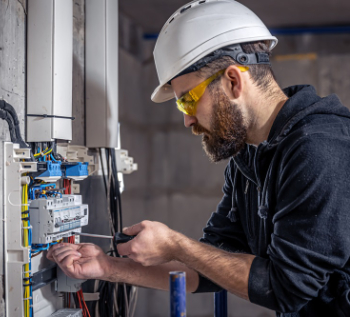
ECA welcomes crackdown on late payment and push for clean energy, whilst CIOB seek fixed cladding removal timeframes.
Cyber Security in the Built Environment
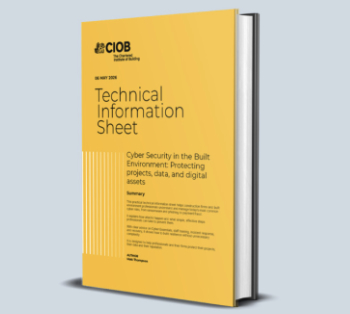
Protecting projects, data, and digital assets: A CIOB Academy TIS.
Managing competence in the built environment
ITFG publishes new industry guide on how to meet the ICC principles.
The UK's campaign to reduce noise pollution: Mythbusting, articles and topic guides.