




Architectural technologist
Contents |
[edit] The technological design of buildings
Architectural technology sits at the intersection of design, science, and problem solving. It transforms architectural ideas into buildable, sustainable, and technically robust structures. For students considering a future in the built environment, studying architectural technology offers a clear and rewarding route into a profession that blends creativity with technical expertise.
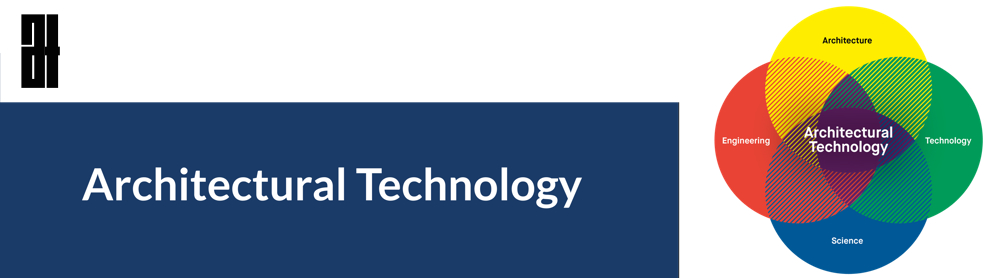
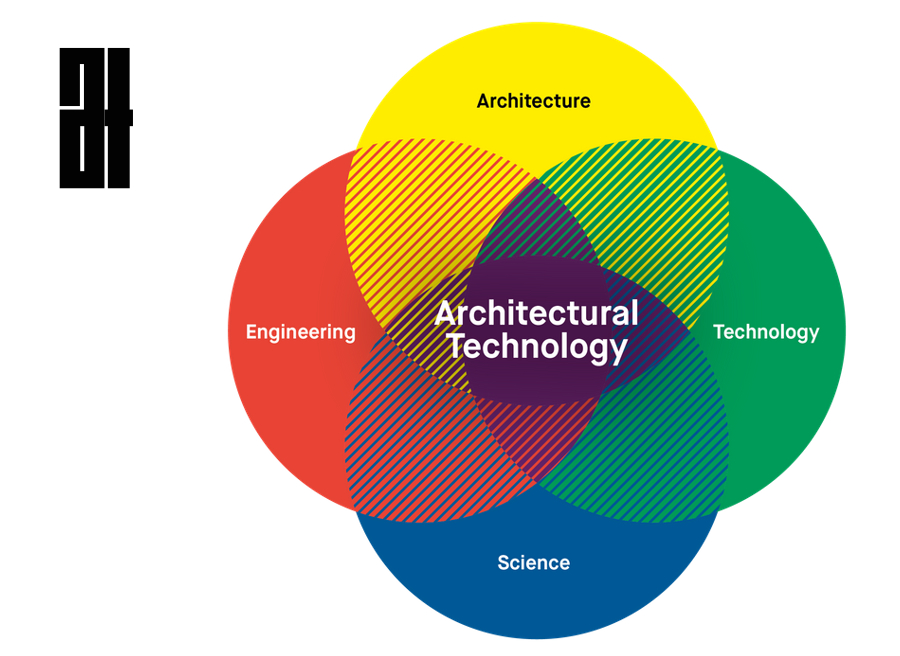
The Chartered Institute of Architectural Technologists (CIAT) describe architectural technology as "a design discipline for building projects, combining technical and aesthetic expertise. It focuses on the form, function, and performance of the building. A future-focused discipline, it is essential when ensuring newly built projects are sustainably constructed, and existing ones are conserved, maintained, or retrofitted. It lives where architecture meets engineering, science, and technology – Architectural Technology is at the heart of it all."
The profession is practised by architectural technologists (ATs), who, after gaining a significant level of knowledge, experience and competence, may qualify as Chartered Architectural Technologists.
Their role might include:
- Defining, planning and managing the development of a construction project.
- Applying building science and technology to architectural and construction projects.
- Developing and advising on innovative solutions.
- Managing and co-ordinating the detailed design process, specification and materials selection.
- Producing documentation for statutory approvals.
- Preparing production information.
- Obtaining and evaluating tenders.
- Ensuring compliance with requirements.
- Undertaking inspections.
- Contract administration.
- Assessing performance in use.
Architectural technologists may establish their own practice, offering a full range of building design and management services,discipline organisation. The lead qualifying body for architectural technologists and architectural technicians in the UK is the Chartered Institute of Architectural Technologists (CIAT).
Only the Chartered Institute of Architectural Technologists (CIAT) can award the esteemed 'Chartered Architectural Technologist' qualification and the designations MCIAT (Chartered Membership), and FCIAT (Fellow Membership) for Chartered Architectural Technologists who have made a significant contribution to and/or demonstrated excellence in the discipline.
[edit] What is a Chartered Architectural Technologist?
Chartered Architectural Technologist is a protected descriptor, designation, and regulated professional qualification that recognises an individual's skills, knowledge, experience and behaviours. It demonstrates commitment to the highest professional and ethical values in architectural technology.
Chartered Architectural Technologists are leaders of technological design, forming the link between concept, innovation, and realisation. They are qualified designers who lead a range of built environment projects large and small – from schools to sports stadiums to high rise buildings.
Becoming a Chartered Architectural Technologist requires a CIAT accredited honours degree or equivalent in architectural technology, or alternatively, an equivalent honours degree in a built environment subject. Chartered Architectural Technologists must adhere to a Code of Conduct, maintain adequate Professional Indemnity Insurance (PII) and undertake continuing professional development (CPD).
Chartered Architectural Technologists work in many environments: in practice offices, on construction sites, for local authorities, or leading their own architectural practices in their own offices and homes. They work collaboratively with other professionals across the built environment sector, such as architects, surveyors, planning professionals, contractors, and engineers. Chartered Architectural Technologists are recognised and can practise where regulation permits, their skills and expertise highly sought-after round the world.
You can find out more on the CIAT website.
[edit] Related articles on Designing Buildings
- Architects Registration Board.
- Architectural design.
- Architectural education.
- Architectural technician.
- Architectural technologist - delineation of roles.
- Architectural Technology Awards 2020.
- Architectural Technology Awards 2021.
- Architectural Technology research at Robert Gordon University.
- Architectural technology research at Sheffield Hallam University.
- Architectural technology, wellbeing and COVID-19.
- Brewer Smith Brewer Group London Office.
- Changing attitudes towards the mental wellbeing of early career Architectural Technology professionals.
- Chartered Institute of Architectural Technologists
- Chartered Institute of Building.
- CIBSE.
- Construction industry institutes and associations.
- Design and technology DT.
- How much carbon are your buildings responsible for?
- Institution of Civil Engineers.
- Institution of Structural Engineers.
- Interview with Ann Vanner.
- Karyn Williams Woman Architectural Technologist of the Year 2019.
- Project architect.
- RIBA
- School of Architectural Technology.
- Student projects released as non-fungible tokens.
- The Courtyard retirement community in Cornwall.
- The history of the architectural profession.
- Year-out student.