





Construction site records and registers
Construction sites are complex, continually changing and potentially dangerous. Ensuring they are efficiently and effectively managed and that they remain safe requires meticulous record keeping.
Some of the records and registers kept on site may be required by statutory bodies such as the Health and Safety Executive (HSE), or the building control body, others may be maintained for the convenience of the contractor.
Records that are kept on site might include:
- Accident book.
- Asbestos register.
- Asset register.
- Construction phase plan.
- Contract register.
- COSHH data and assessment sheets.
- Dangerous and explosive substances register.
- Details of underground and overhead services.
- Emergency plans.
- Existing health and safety files.
- F10 form.
- Fire equipment inspection register.
- Scaffolding register.
- Test records and certificates.
- LOLER Inspection register (Lifting Operations and Lifting Equipment Regulations).
- Manual handling assessment (MAC).
- Plants checks.
- Records of excavation inspections.
- Records of inspections of scaffold, working platforms and so on.
- Records of permits to work.
- Risk assessments and method statements.
- Safety equipment registers.
- Site induction and training registers.
- Site rules.
- Site visitors book.
- Site Waste Management Plan.
- Verification of competence, such as Construction Skills Certification Scheme CSCS cards.
[edit] Related articles on Designing Buildings
- Accident book.
- Accident report.
- Asbestos register.
- Asset register.
- Construction phase plan.
- Contract register.
- COSHH
- Health and safety file.
- F10 form.
- Manual handling.
- Mobilisation.
- Permit to work
- Risk assessments and method statements.
- Site induction
- Site rules.
- Site Waste Management Plan.
- Types of register.
Featured articles
Check out some of the best features and news from Designing Buildings as well as key stories from around the web.
Building Safety Act implementation in Wales

CIAT to host industry panel on 26 June.

New and updated CLC building safety guidance.
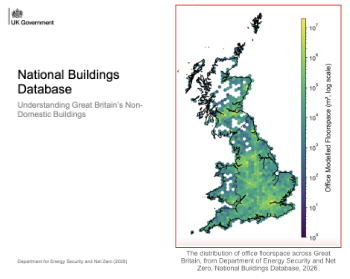
New UK National Buildings Database.
Building Safety Wiki Interviews

Chief executive of the British Woodworking Federation.
Planning condition discharge in England and Wales

A brief explanation from a building compliance expert, with further links.
Overheating guidance and tools for building designers

Guidance for dealing with element of building fabric control that have increasing importance.
Shading for housing, a design guide

From the Good Homes Alliance and British Blind and Shutter Association.
UK Standard Skills Classification (SSC)

A shared framework for describing skills needs.
Social media ban consultation comes to close

CIOB urges UK Government to consider social media’s role in careers guidance in ban debate.
The latest of eight Skills England apprenticeship units

The addition of battery manufacturing welcomed by ECA with a warning about the risks of fast-tracked apprenticeship units.
Building Control Independent Panel final report
A precis of a key report led by Dame Hackitt with full recommendations and link to the government response.
Comments
To make a comment about this article, click 'Add a comment' above. Separate your comments from any existing comments by inserting a horizontal line.
Construction site records and registers are important documentation tools used to record and track various aspects of a construction project. They serve as a means of communication, evidence of compliance, and reference for future use. Here are some common types of construction site records and registers:
1. Daily Construction Log: This log is maintained on a daily basis and records activities, weather conditions, workforce attendance, equipment used, and any significant events or incidents that occur on the construction site.
2. Material Receiving Register: This register tracks the receipt of construction materials on the site. It includes details such as the date of delivery, supplier information, quantity received, and any discrepancies or issues observed.
3. Inspection and Test Records: These records document the inspections, tests, and quality checks conducted during various stages of construction. They may include records for concrete testing, soil testing, structural inspections, electrical inspections, and more.
4. Workforce Attendance Register: This register records the attendance of workers on the construction site. It helps track the number of workers present, their working hours, and any leave or absences.
5. Site Safety Records: These records focus on documenting safety-related activities and incidents. They may include records of safety meetings, safety inspections, accident reports, near-miss incidents, and safety training conducted on-site.
6. Change Order Log: This log tracks any changes or modifications made to the original construction plans or scope of work. It includes details such as the date of change, reason for change, parties involved, and impact on cost or schedule.
7. Equipment Maintenance Log: This log records the maintenance and servicing of construction equipment and machinery. It helps track the maintenance schedule, repairs, and any issues observed.
It's important to note that the specific records and registers maintained on a construction site may vary depending on the project requirements, local regulations, and the policies of the construction company or project owner.
Thanks, that seems to be more of an article than a comment, feel free to create a new article under a related title..
If you did not write the comment or article yourself though, please to list a reference or source who did. Thanks.