






Soft landings - helping clients lead contractors

Many people will have seen the news (2016) about the Edinburgh PFI schools with structural failures. We shouldn’t still be constructing buildings with feeble brickwork. We have Victorian and Edwardian schools that have been standing for over 100 years without these problems. More ironically, we have 1960s CLASP schools – built on a budget with the flimsiest of constructions – still standing and performing their role well after their sell-by date. They’re usually freezing in winter and boiling in summer, with asbestos in places a power drill shouldn’t reach, but at least they’re still standing.
The reasons for these high-profile failures are easy to park at the door of the PFI process. One can blame cost-cutting, absence of site inspections, and lack of quality control. Some even say that the ceding of Building Control checks to the design and build contractor is a root cause: site labour can’t be trusted to mark their own exam paper when their primary interest is to finish on time and under budget.
Some commentators blame the design process, and bemoan the loss of the Building Schools for the Future programme when design quality was overseen by the Commission for Architecture in the Built Environment (CABE). The erstwhile CABE may have tried to be a force for good, but project lead times become ridiculously long and expensive. And would it have prevented structural failures? Hardly likely.
The one cause of these failures that doesn’t get enough press coverage is client leadership and quality championing. It can be argued that clients get what clients are willing to pay for, and there’s no industry like the construction industry for delivering something on the cheap.
The cost-cutting, the emphasis on time and cost at the expense of quality control – all this can be pinned on a client base that does not lead, demand, oversee, and articulate what it wants well enough to prevent the desired product being delivered at the wrong level of quality at the wrong price.
Which means that clients have to:
- Get wiser on what can go wrong.
- Get smarter with their project management.
- Articulate what they want in terms of performance outcomes.
Truly professional designers recognise this, and are prepared to guide their clients through the shark-infested waters of writing their employers requirements. But once that is done the client’s job is not over. They can’t simply hand it over to the main contractor and turn their back until the job is complete. They need to be closely involved every step of the way – and keep key parties involved beyond practical completion and into the all-important aftercare phase.
Soft Landings provides a chassis on which focus on performance outcomes can be built. The chassis provides the client with a driving seat to ensure that standards are maintained, along with a shared construction team responsibility to make sure the building is fit for purpose.
To find out about BSRIA's Soft Landings conference, see 2016 Soft Landings Conference.
This article was originally published as Contractors can’t build well without clients that lead by BSRIA on 18 May 2016. Written by Roderic Bunn.
--BSRIA
[edit] Related articles on Designing Buildings Wiki
- 2020 Soft Landings Conference.
- Articles by BSRIA on Designing Buildings Wiki.
- Better Buildings Partnership.
- BSRIA Soft Landings Awards.
- BSRIA Soft Landings 2019 award winners.
- Building performance evaluation.
- Client commissioning.
- Extended aftercare.
- Government construction strategy.
- Handover to client.
- Maintenance.
- Medical Research Council Laboratory of Molecular Biology soft landings project.
- Migration strategy.
- Performance in use.
- Post occupancy evaluation.
- Post project review.
- Snagging.
- Soft landings.
- Soft Landings & Government Soft Landings, A Convergence Guide for Construction Projects.
- Soft Landings for owners.
- Soft Landings for refurbishment projects.
- Success criteria for soft landings projects.
- University of East Anglia - case study.
Featured articles and news
Costs and insolvencies mount for SMEs, despite growth

Construction sector under insolvency and wage bill pressure in part linked to National Insurance, says report.
The place for vitrified clay pipes in modern infrastructure
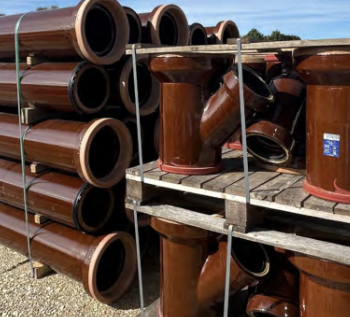
Why vitrified clay pipes are reclaiming their role in built projects.
Research by construction PR consultancy LMC published.
Roles and responsibilities of domestic clients

ACA Safety in Construction guide for domestic clients.
Fire door compliance in UK commercial buildings

Architect and manufacturer gives their low down.
Plumbing and heating for sustainability in new properties

Technical Engineer runs through changes in regulations, innovations in materials, and product systems.
Awareness of the Carbon Border Adjustment Mechanism
What CBAM is and what to do about it.
The new towns and strategic environmental assessments
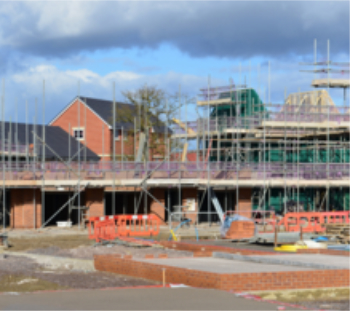
12 locations of the New Towns Taskforce reduced to 7 within the new towns draft programme and open consultation.
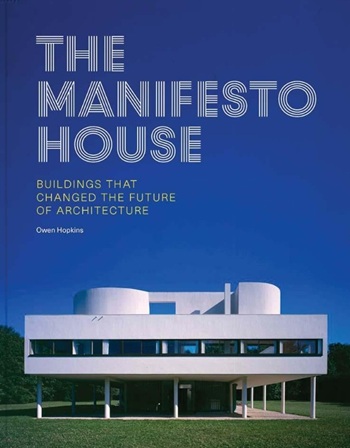
Buildings that changed the future of architecture. Book review.
The Sustainability Pathfinder© Handbook
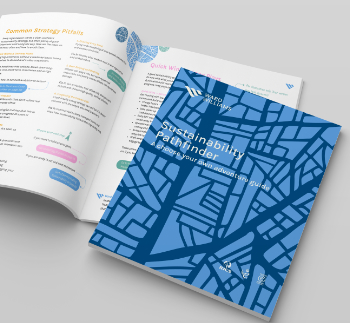
Built environment agency launches free Pathfinder© tool to help businesses progress sustainability strategies.
Government outcome to the late payment consultation, ECA reacts.
IHBC 2025 Gus Astley Student Award winners
Work on the role of hewing in UK historic conservation a win for Jack Parker of Oxford Brookes University.
Future Homes Building Standards and plug-in solar
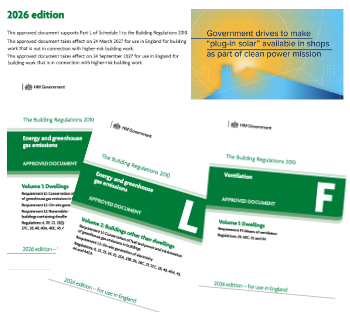
Parts F and L amendments, the availability of solar panels and industry responses.
How later living housing can help solve the housing crisis

Unlocking homes, unlocking lives.
Preparing safety case reports for HRBs under the BSA
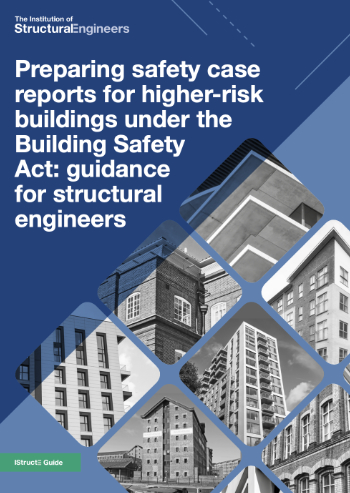
A new practical guide to preparing structural inputs for safety cases and safety case reports published by IStructE.
Male construction workers and prostate cancer

CIOB and Prostate Cancer UK encourage awareness of prostate cancer risks, and what to do about it.