






File:Sdg.jpg

Size of this preview: 800 × 600 pixels
Organizations that consider ISO 45001 certification often understand the importance of workplace safety. However, many are unsure about where to begin. A clear starting plan can make the certification journey easier and more manageable.
ISO 45001 provides a structured framework for managing occupational health and safety. It helps organizations identify hazards, control risks, involve workers, and improve safety performance.
This practical guide explains the key steps organizations should take when starting their ISO 45001 certification journey.
[edit] Starting Point One: Understand What ISO 45001 Requires

[edit] Move Beyond General Safety Awareness
Many organizations already follow basic workplace safety practices. However, ISO 45001 requires a more structured approach.
The standard expects organizations to identify hazards, assess risks, establish controls, and monitor safety performance. It also encourages active worker participation in health and safety activities.
Organizations should first understand these requirements before creating new procedures or documents.
[edit] Understand the Management System Approach
ISO 45001 does not simply provide a list of workplace safety rules. It establishes a complete occupational health and safety management system.
The system requires organizations to plan, implement, monitor, review, and improve their safety processes. This approach helps businesses manage safety as an ongoing responsibility rather than a one-time project.
[edit] Starting Point Two: Assess Your Current Safety Practices
[edit] Conduct an Honest Gap Assessment
Before making changes, review your existing safety practices.
Compare your current processes with the requirements of ISO 45001. Look at areas such as hazard identification, risk assessment, legal requirements, emergency planning, training, incident management, and worker participation.
This gap assessment helps you identify what already works and what needs improvement.
[edit] Involve Workers in the Assessment
Frontline workers often understand workplace risks better than anyone else. They see daily operations and can identify practical safety concerns that management may overlook.
Include workers in the initial assessment. Ask for their feedback about hazards, procedures, equipment, and working conditions.
Their input can help your organization develop more practical and effective safety controls.
[edit] Starting Point Three: Secure Genuine Leadership Commitment
[edit] Go Beyond a Signed Safety Policy
Leadership commitment plays an important role in ISO 45001 certification.
Senior management should provide more than a signed safety policy. Leaders need to allocate suitable resources, provide adequate training, support safety initiatives, and review safety performance regularly.
Employees are more likely to take safety seriously when they see leaders supporting the system through their actions.
[edit] Communicate the Purpose Clearly
Employees should understand why the organization wants ISO 45001 certification.
Explain how the system can improve workplace safety, reduce risks, strengthen employee involvement, and support continual improvement.
Clear communication can create stronger employee participation from the beginning.
[edit] Starting Point Four: Build the Core Management System
[edit] Establish a Hazard Identification Process
Hazard identification forms a central part of ISO 45001.
Create a structured process for identifying hazards across your operations. Consider equipment, materials, work activities, workplace conditions, contractors, visitors, and emergency situations.
Do not focus only on obvious physical hazards. Consider operational, ergonomic, chemical, environmental, and other relevant risks.
[edit] Create Risk Assessment and Control Procedures
After identifying hazards, assess the associated risks.
Define a consistent method for evaluating risk and selecting suitable controls. Your organization should apply controls based on the level and nature of each risk.
Document the process clearly so employees can understand how the organization makes safety decisions.
[edit] Create Worker Participation Mechanisms
ISO 45001 places strong emphasis on worker consultation and participation.
Organizations can use safety committees, employee meetings, surveys, feedback channels, toolbox talks, and other suitable methods.
The goal is not simply to collect employee opinions. Organizations should consider that feedback when making health and safety decisions.
[edit] Starting Point Five: Operate the System before Formal Assessment
Do not rush into certification immediately after creating your procedures.
Give employees time to use the new processes. Monitor how the system works in real workplace conditions.
Internal audits, inspections, incident reviews, corrective actions, and management reviews can help identify weaknesses.
Use these activities to improve the system before the certification audit.
[edit] Common Early Mistakes to Avoid
[edit] Do Not Treat Certification as a Documentation Exercise
ISO 45001 certification does not depend only on documents.
An organization may have detailed procedures but still struggle if employees do not follow them. Auditors also look at how the organization manages safety in practice.
Make sure your documented system reflects actual workplace activities.
[edit] Do Not Underestimate Staff Time
ISO 45001 implementation requires time from different employees.
Safety professionals may coordinate the project, but supervisors, managers, process owners, and workers also need to participate.
Assign clear responsibilities and include certification activities in regular work plans. This approach can prevent delays and reduce pressure on individual employees.
[edit] Who Should Consider Starting This Process?
Organizations in high-risk industries often have strong reasons to begin their ISO 45001 journey.
Construction, manufacturing, logistics, engineering, energy, and other industrial sectors may face significant workplace hazards. A structured safety management system can help these organizations manage risks more effectively.
Companies may also consider certification when customers, business partners, insurers, or regulators place greater emphasis on occupational health and safety.
Starting early gives organizations more time to identify weaknesses and strengthen their safety processes.
[edit] How Getting Started Differs by Industry
[edit] High-Risk Industries Need Detailed Initial Assessments
Construction, manufacturing, logistics, and similar industries often deal with complex workplace hazards.
These organizations may need a deeper initial assessment. They should consider machinery, transportation, work-at-height activities, hazardous substances, contractors, emergency situations, and other operational risks.
[edit] Lower-Risk Organizations Can Start More Quickly
Office-based and lower-risk service organizations may face fewer physical hazards.
However, they still need to follow a structured approach. Ergonomic issues, emergency preparedness, workplace stressors, electrical risks, and contractor activities may require attention.
The level of effort can vary, but the management system approach remains important.
[edit] Build Momentum after the Initial Start
[edit] Recognize Early Progress
ISO 45001 certification can take time. Employees may lose motivation if they focus only on the final certification goal.
Recognize improvements along the way. Share successful safety initiatives and highlight employee contributions.
Small achievements can help maintain interest and encourage continued participation.
[edit] Set Realistic Milestones
Break the certification journey into manageable stages.
For example, start with a gap assessment. Then address major gaps, establish processes, train employees, conduct internal audits, and complete management review activities.
Clear milestones make progress easier to measure and communicate.
[edit] Common Questions about Getting Started
[edit] How Much Time Should Organizations Set Aside Initially?
The required time depends on the organization's size, complexity, existing safety practices, and available resources.
Organizations should allocate dedicated time for the project from the beginning. Trying to complete certification activities only when employees have spare time can slow implementation.
[edit] Is Additional Staff Necessary?
Not always.
Many organizations can begin with their existing safety, quality, and operations teams. However, management should assign clear responsibilities to specific individuals.
Larger organizations may need additional resources as implementation progresses.
[edit] Should Certification Wait Until a Safety Incident Is Resolved?
Organizations should always address immediate safety risks first.
However, they do not necessarily need to delay ISO 45001 implementation until every existing issue has reached final resolution.
The certification process can help organizations identify root causes, strengthen controls, and improve corrective action processes.
[edit] Prepare Your Team for the Journey
[edit] Communicate Realistic Expectations
Employees should understand that ISO 45001 certification requires time and commitment.
Explain the expected activities before implementation begins. This may include training, risk assessments, internal audits, meetings, documentation, inspections, and corrective actions.
Clear expectations can reduce confusion and resistance.
[edit] Identify Safety Champions
Some employees naturally support workplace safety and encourage others to follow good practices.
Identify these employees and involve them in the implementation process. They can support communication, encourage participation, and share practical feedback with management.
Employee involvement can make the safety management system more effective.
[edit] What Happens After the First Steps?
[edit] Move From Planning to Implementation
Once the organization completes its initial assessment and secures leadership support, it can begin implementation.
The organization should prioritize the most important gaps first. It can then develop or improve processes based on the requirements of ISO 45001.
Training and communication should continue throughout implementation.
[edit] Maintain Momentum
Early enthusiasm can decline if employees do not see continued progress.
Management should monitor milestones, review performance, address problems, and communicate improvements regularly.
Continual improvement should remain a core part of the organization's approach.
[edit] Bringing It All Together
Getting started with ISO 45001 certification does not require one major action. Instead, organizations should build a clear and practical path toward implementation.
Start by understanding the standard. Assess your current safety practices. Secure leadership commitment and involve workers from the beginning.
Next, establish effective hazard identification, risk assessment, worker participation, and safety management processes. Give the system enough time to operate before seeking formal certification.
Most importantly, focus on improving real workplace safety rather than creating documents simply to pass an audit. A well-implemented ISO 45001 management system can help organizations control risks, involve employees, strengthen safety performance, and support continual improvement.
File history
Click on a date/time to view the file as it appeared at that time.
| Date/Time | Thumbnail | Dimensions | User | Comment | |
|---|---|---|---|---|---|
| current | 12:21, 24 August 2026 | | 1,429 × 1,071 (447 KB) | Steve123 (Talk | contribs) | (ISO 45001 Certification) |
- Edit this file using an external application (See the setup instructions for more information)

File usage
There are no pages that link to this file.


Featured articles
Check out some of the best features and news from Designing Buildings as well as key stories from around the web.
Mayors are to be given planning call in powers

Mayors across England will be able to make the most important planning decisions.

The Master Builder: William Butterfield and his times. Book review.

Why construction can't afford to ignore the skills gap.
Building Safety Regulator, 19 August

Gill Kernick appointed Independent Chair of Residents’ Panel.
Connecting knowledge, technology and conservation
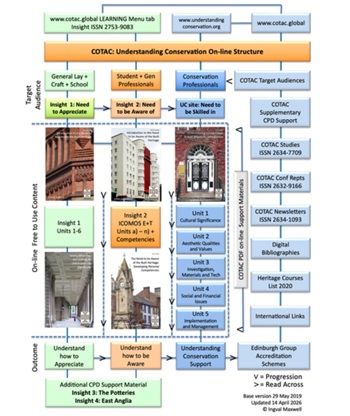
Building competence for the future of built heritage.
Building Regulations and Building Safety Act

CIOB publishes free advice for non-domestic clients.

Building Safety Newsletter from MHCLG.

An extraordinary record of steel engineering worldwide.

Households living near new pylons to save on bills.

ECA warns growth must not outpace grid capacity or skills.
The role of the client and decision making

CIOB response to built environment professions call for evidence.
Construction's sustainability reporting revolution
Tracking upfront embodied carbon with digital tools.