






Cities as systems - BRE Solutions for urban environments
The BRE Trust Future Cities research programme was carried out between 2012 and 2015 in collaboration with over 70 public and private partners. The collective value of the projects undertaken was more than £30m. The programme addressed the challenges facing urban developments as global population increases and there is continued migration to cities.
On 9 March 2015, the BRE Trust issued a report on the results of Future Cites programme, Cities as systems - BRE Solutions for urban environments which highlighted that urban areas are growing by 1.3 million people every week and that they consume 75% of natural resources.

The report addresses four main components of future cities:
- Smart cities, supported by life enhancing technology.
- Liveable cities, that underpin good quality of life.
- Healthy cities, that support wellbeing and equality.
- Resilient cities, that can withstand and mitigate extreme weather, natural disasters, social upheaval, and cyber and security threats.
- Developing an urban circular economy: comparing data from cities in the UK and Brazil to map out the waste resources, current resource management practices and the potential gains through reuse, recycling and recovery on a city scale.
- Healthy Cities Index: developing a science-based benchmarking tool cities can use to understand and improve the impact of the built environment on health.
- Energy optimisation: developing optimisation solutions for the use, generation and storage of energy at the building and district scale.
- Sustainable urban development in Brazil: scoping a balanced scorecard framework for evaluating large-scale social housing delivery across Brazil.
- Air quality, indoor environments and adaptability: analysis of the impact of external pollutants on the indoor environment and occupants in homes, hospitals and schools.
- Future city modelling: developing a new approach for digitally modelling new and existing buildings at city-scale.
- Digital interoperability: creating standards and accreditation for the interoperability of smart technologies.
- Cyber security and digital systems: addressing the security threats of connected devices in homes and the potential for standards to overcome these risks.
- Imaging tool for future district heat networks: developing an imaging tool designed to increase confidence and deployment of district heating networks in city buildings.
- Approaches to refurbishing existing housing stock: helping identify the key enablers of success for volume refurbishment of high rise properties.
- Crime in urban areas: exploring the relationship between recorded crime and the characteristics of the built environment that may increase the fear of crime.
The programme delivered tools, guidance and standards that will benefit a range of stakeholders across the built environment.
BRE author Helen Pineo said, “By 2050 there will be two and a half billion more people living in cities. We must develop our urban spaces to meet their needs but the challenges are significant: reduced public sector finances, limited natural resources, climate change mitigation and adaptation, and an ageing population. This BRE Trust research aims to plug the knowledge gaps so we can adopt an informed and strategic approach to growing and evolving our cities so they become even better places for people to live and work in - our future depends on it.’ (Ref. Key future city challenges are tackled by BRE Trust research programme 9 March 2015.)
Key research topics from the Future Cities research programme will continue to be funded by the BRE Trust along with a new programme focussing on built environment resilience. The next steps will involve product development and continued research activities in a number of key areas, including:
- Healthy cities (including ageing population and air quality).
- Interactive and connected components in buildings and infrastructure.
- Sustainable energy generation and demand optimisation.
The BRE Trust was set up in 2002 to advance knowledge, innovation and communication for public benefit. It is the largest UK charity dedicated to research and education in the built environment, commissioning research and publishing project findings to provide authoritative guidance to the construction industry.
[edit] Related articles on Designing Buildings
- Are electric bikes the future?
- Balanced scorecard.
- Building Research Establishment BRE.
- BRE Trust.
- BREEAM.
- Changing lifestyles.
- Compact sustainable city.
- Connecting people and places.
- Engineering Smart Cities.
- Inclusive design.
- Infrastructure.
- Masterplanning.
- Megacity.
- Mixed use development.
- Smart buildings.
- Smart cities design timeframe.
- Smart construction.
- Smart technology.
- The case for a new road-user charging scheme in London
- Tokyo.
Featured articles and news
Costs and insolvencies mount for SMEs, despite growth

Construction sector under insolvency and wage bill pressure in part linked to National Insurance, says report.
The place for vitrified clay pipes in modern infrastructure
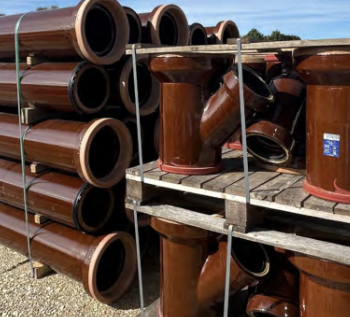
Why vitrified clay pipes are reclaiming their role in built projects.
Research by construction PR consultancy LMC published.
Roles and responsibilities of domestic clients

ACA Safety in Construction guide for domestic clients.
Fire door compliance in UK commercial buildings

Architect and manufacturer gives their low down.
Plumbing and heating for sustainability in new properties
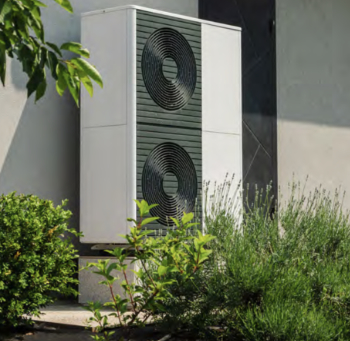
Technical Engineer runs through changes in regulations, innovations in materials, and product systems.
Awareness of the Carbon Border Adjustment Mechanism
What CBAM is and what to do about it.
The new towns and strategic environmental assessments
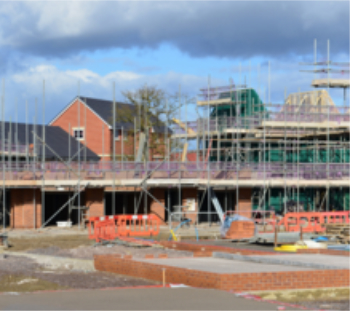
12 locations of the New Towns Taskforce reduced to 7 within the new towns draft programme and open consultation.
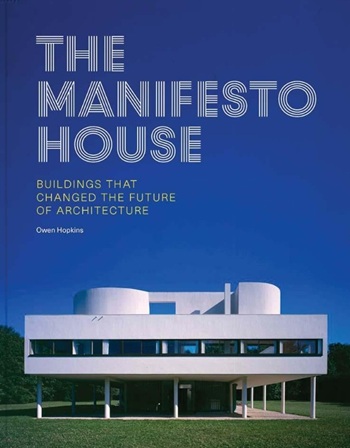
Buildings that changed the future of architecture. Book review.
The Sustainability Pathfinder© Handbook
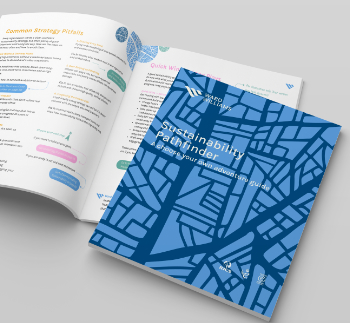
Built environment agency launches free Pathfinder© tool to help businesses progress sustainability strategies.
Government outcome to the late payment consultation, ECA reacts.
IHBC 2025 Gus Astley Student Award winners
Work on the role of hewing in UK historic conservation a win for Jack Parker of Oxford Brookes University.
Future Homes Building Standards and plug-in solar
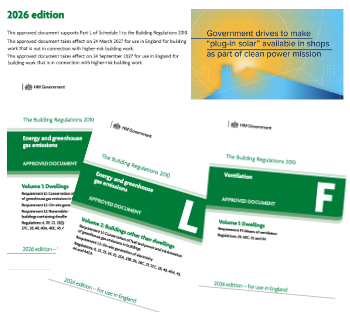
Parts F and L amendments, the availability of solar panels and industry responses.
How later living housing can help solve the housing crisis
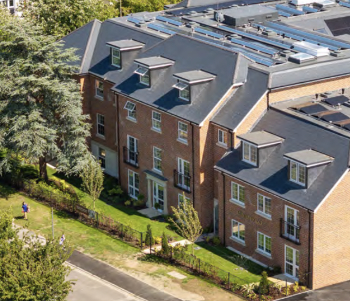
Unlocking homes, unlocking lives.
Preparing safety case reports for HRBs under the BSA
A new practical guide to preparing structural inputs for safety cases and safety case reports published by IStructE.
Male construction workers and prostate cancer
CIOB and Prostate Cancer UK encourage awareness of prostate cancer risks, and what to do about it.