






BSRIA briefing 2018

|
| The BSRIA briefing 2018 took place at the Brewery in London on Friday 16 November. |
The theme ‘Disruption in Construction’ was introduced by Julia Evans OBE, Chief Executive at BSRIA, who gave a stark warning that we are "cursed to live in interesting times”. The Chair for the event, Oliver Zimmermann, CEO of Condair Group AG, then introduced the speakers, suggesting that disruption is inevitable as the industry is torn apart by technical and social innovation.
The first speaker, Susan Hone-Brookes, Chief Engineer for Construction, Infrastructure and Energy at the Manufacturing Technology Centre (MTC) placed current changes within the context of the 4th industrial revolution, highlighting the imminent danger of climate change, and suggesting we use our atmosphere like an open sewer. She questioned whether the industry would experience revolution or evolution, and pointed out that whilst both Google and the Egan report emerged in 1998, it is Google that has had a lasting impact on the industry. She highlighted poor productivity within the construction industry and predicted a period of consolidation as companies struggle with low margins.
She also cited some good news stories, such as the i3P model for industry collaboration, the development of the vertical factory for constructing high-rise buildings, and new technologies such as drones. She suggested it is difficult to predict what will come next, but we are likely to need creativity rather than encyclopaedic knowledge, and it is clear we will have to adapt to survive.
Speaking next, Michael Potter, Managing Director and founder of DriveElectric, said he is not a ‘tree hugger’ and has cars in his blood, but it is increasingly apparent that electric vehicles (EVs) are the future. Electric motors are more efficient that petrol or diesel engines, batteries are getting cheaper and range is improving. Infrastructure and charging however are still problems.
By 2027, half of all new car registrations will be EVs, and this could add 50% to peak demand for electricity in households. The timing of this demand does not map well against the availability of renewable energy, and there is a tendency for all vehicles to be plugged in early in the evening, charging at the same time. He suggested this was unnecessary as most vehicles would not actually be used until the morning, so demand management is possible to spread the load.
Philip Guthrie, Collaboration Hub Project Officer at the London Waste & Recycling Board (LWARB) spoke about the circular economy, in particular in relation to London where a circular economy route map has been created, driven by a combination of policy and demonstration projects. He cited the work they have done on the design of their own offices, putting their money where their mouth is, and advocated the development of meanwhile use spaces, performance-based systems and the leasing of equipment. He suggested we should be moving away from single-use buildings to re-useable buildings and said the key to success is collaboration.
Adrian Malone, Head of Digital Project Delivery and BIM at WSP Transport and Infrastructure, UK, focussed on the use of digital technologies to deliver transport infrastructure. He introduced the concept of the ‘digital twin’, making clear that this is not just a BIM model, but is a connected, real-time replica of the actual asset it represents. This generates a vast amount of data, that can be used in combination with technologies such as artificial intelligence to improve performance, and even to predict problems.
He talked about the increasing use of design automation, and suggested that the future would be one of ‘human-aided design’, driven by automatic software, and allowing engineers to focus on customer outcomes rather than design problems.
Will Squires, Digital Lead for Cities and Aviation at Atkins, introduced the complex and confusing subjects of bitcoin and blockchain. He spoke about the high transaction costs within the complex interactions of the construction industry, and suggested blockchain could be seen as a ‘trust machine’. This could be used to speed up payments, to improve security and to allow distributed project information, rather than the centralised ‘common data environment’ widely adopted today.
With $94 trillion of infrastructure spending required to deliver quality of life to the entire global population by 2040, the potential for savings is enormous. Blockchain can allow us achieve this without introducing a new point of failure.

|
| Lunch was followed by an inspirational talk from special guest, Andre Strauss OBE, one of the most respected cricketers in the world, and one of only three England captains to secure Ashes victories both at home and away. |
Andrew talked about what is required to achieve a high level of performance, and some of the reasons it does not always go according to plan. He suggested it is necessary to be able to think for yourself, that you should not treat your organisation like a lease car, and that you have to get rid of distractions.
Julia Evans wrapped up the event by thanking the speakers and the Chair.
For more information see: https://www.bsria.co.uk/news/article/bsria-briefing-2018-presentations-review/
--BSRIA
[edit] Related articles on Designing Buildings Wiki
Featured articles and news
Costs and insolvencies mount for SMEs, despite growth

Construction sector under insolvency and wage bill pressure in part linked to National Insurance, says report.
The place for vitrified clay pipes in modern infrastructure
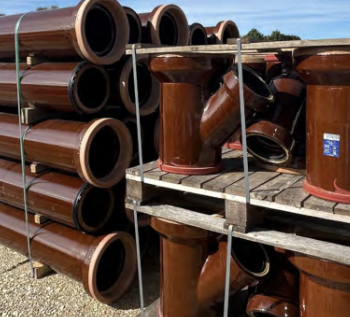
Why vitrified clay pipes are reclaiming their role in built projects.

Research by construction PR consultancy LMC published.
Roles and responsibilities of domestic clients

ACA Safety in Construction guide for domestic clients.
Fire door compliance in UK commercial buildings

Architect and manufacturer gives their low down.
Plumbing and heating for sustainability in new properties

Technical Engineer runs through changes in regulations, innovations in materials, and product systems.
Awareness of the Carbon Border Adjustment Mechanism
What CBAM is and what to do about it.
The new towns and strategic environmental assessments
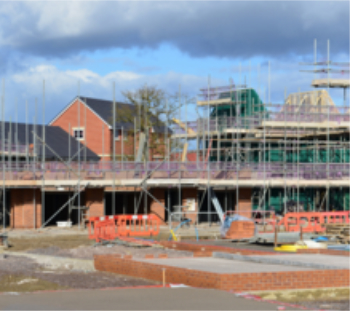
12 locations of the New Towns Taskforce reduced to 7 within the new towns draft programme and open consultation.
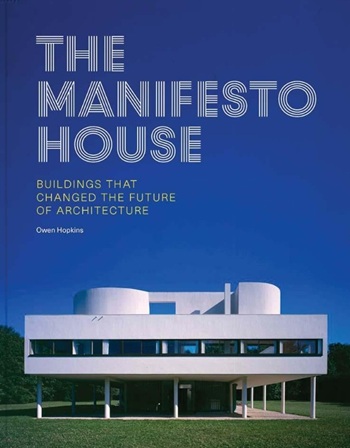
Buildings that changed the future of architecture. Book review.
The Sustainability Pathfinder© Handbook
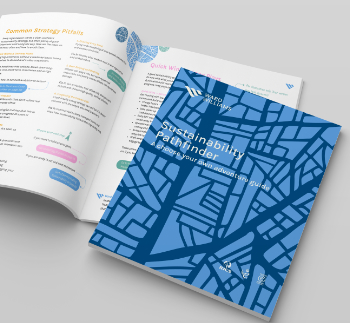
Built environment agency launches free Pathfinder© tool to help businesses progress sustainability strategies.
Government outcome to the late payment consultation, ECA reacts.
IHBC 2025 Gus Astley Student Award winners

Work on the role of hewing in UK historic conservation a win for Jack Parker of Oxford Brookes University.
Future Homes Building Standards and plug-in solar
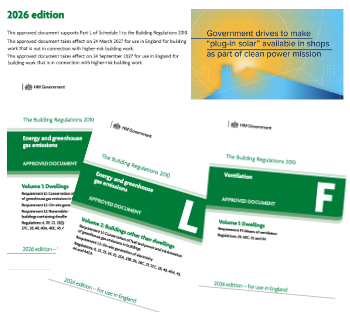
Parts F and L amendments, the availability of solar panels and industry responses.
How later living housing can help solve the housing crisis

Unlocking homes, unlocking lives.
Preparing safety case reports for HRBs under the BSA
A new practical guide to preparing structural inputs for safety cases and safety case reports published by IStructE.
Male construction workers and prostate cancer

CIOB and Prostate Cancer UK encourage awareness of prostate cancer risks, and what to do about it.