





Working platform

The term 'working platform' is defined by the Work at Height Regulations 2005 as: '...any platform used as a place of work or as a means of access to or egress from a place of work', including: '...any scaffold, suspended scaffold, cradle, mobile platform, trestle, gangway, gantry and stairway which is so used.'
Before the 2005 Regulations, working platforms were defined as fully-boarded platforms with handrails and toe boards.
For a platform to be suitable for working at height, it must be:
- Of sufficient size to allow safe passage and use of equipment and materials.
- Free from trip hazards or gaps.
- Clean and tidy.
- Fitted with handrails and toe boards if necessary.
- Not overloaded (this is particularly relevant to trestles that are loaded with blockwork).
- Erected on firm level ground to ensure equipment remains stable.
Before working platforms are used they must be inspected carefully to ensure they are fit for purpose and have been properly assembled or installed. If a platform is exposed to conditions that are liable to result in danger or damage, then it must continue to be inspected at regular intervals.
BS 8460:2025 Safe use of mobile elevating work platforms (MEWPs) - Code of practice replaced BS 8460:2017 and was updated to reflect BS EN 280-1:2022 and BS EN 280-2:2022. Restructured, it introduces a new process-based structure to help users plan, manage, and operate MEWPs more effectively. Key developments include: a restructured end-to-end safe-use process, expanded instructions on risk assessments, wind effects, fall-arrest use, and load-handling devices. It includes clear criteria for selecting MEWPs designed for integrated load handling, new operational and training requirements, and detailed advice on machines with zone or motion-control features. Competence expectations of occupants and supervisors and recommendations for planning, preventing entrapment, managing pedestrians, and reinstating MEWPs after periods of inactivity. The update also adds new definitions across lifting equipment, rescue roles, pedestrian management, and temporary works; clarifying how to operate safely in confined spaces or near water; with two new annexes covering hoist-height limits and wind-speed considerations at height.
BS 7981:2025 Mast climbing work platforms (MCWPs) – Selection, configuration, installation, maintenance, thorough examination and safe use – Code of practice provides recommendations and guidance for the installation, maintenance, thorough examination, and safe use of MCWPs. These platforms are temporarily installed, powered, and designed to allow people to carry out work at height. The standard aims to ensure that MCWPs are used safely and effectively, reducing the risk of accidents and improving operational efficiency and is intended for construction industry professionals, certification and inspection bodies, owners and hire companies, training companies, regulators, users of MCWPs., employers, dutyholders, and anyone responsible for the supply, installation, use, inspection, servicing, maintenance, and examination of MCWPs.
See also: Work platform safety, new British Standards published, Working platforms for tracked plant: good practice guide to the design, installation, maintenance and repair of ground-supported working platforms.
[edit] Related articles on Designing Buildings
- Construction plant.
- How to remove scaffolding.
- How to use a ladder.
- Lift table.
- Lifting device.
- Lifting platform.
- Mobile elevating work platforms (MEWPs).
- Piling mat.
- Post lift.
- Scaffolding.
- Scissor lift.
- Types of crane.
- Types of scaffolding.
- Work at height.
- Working at height - our duty to prevent harm and protect each other.
- Work at height checklist for managers.
- Work at height regulations.
- Working platforms for tracked plant: good practice guide to the design, installation, maintenance and repair of ground-supported working platforms.
- Work platform safety, new British Standards published.
Featured articles
Check out some of the best features and news from Designing Buildings as well as key stories from around the web.
Building Safety Act implementation in Wales

CIAT to host industry panel on 26 June.
New and updated CLC building safety guidance.
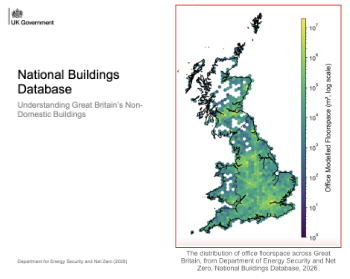
New UK National Buildings Database.
Building Safety Wiki Interviews

Chief executive of the British Woodworking Federation.
Planning condition discharge in England and Wales

A brief explanation from a building compliance expert, with further links.
Overheating guidance and tools for building designers

Guidance for dealing with element of building fabric control that have increasing importance.
Shading for housing, a design guide

From the Good Homes Alliance and British Blind and Shutter Association.
UK Standard Skills Classification (SSC)

A shared framework for describing skills needs.
Social media ban consultation comes to close

CIOB urges UK Government to consider social media’s role in careers guidance in ban debate.
The latest of eight Skills England apprenticeship units

The addition of battery manufacturing welcomed by ECA with a warning about the risks of fast-tracked apprenticeship units.
Building Control Independent Panel final report
A precis of a key report led by Dame Hackitt with full recommendations and link to the government response.