






Queen Anne style

For many, the Queen Anne style (1880 - 1910) typifies the architecture of the Victorian age. With its distinctive form, abundance of decorative detail, corner tower, expansive porches and richly patterned wall surfaces, the Queen Anne style is easy to identify.
High style Queen Anne buildings are often considered local landmarks. In America it was the most popular style for houses in the period from 1880 to 1900, but was often employed for large-scale public buildings as well.
The style was first created and promoted by Richard Norman Shaw and other English architects in the late 19th century. The name refers to the Renaissance-style architecture popular during the reign of Queen Anne (1702-1714).
Actually, the Queen Anne style is more closely related to the medieval forms of the preceding Elizabethan and Jacobean eras. The style became popular in the United States through the use of pattern books and the publishing of the first architectural magazine 'The American Architect and Building News'.
The Queen Anne style evolved from those early English designs to become a distinctly American style with numerous, sometimes regional variations.
The use of three dimensional wood trim called spindlework was an American innovation made possible by the technological advances in the mass production of wood trim and the ease of improved railroad transport.
While the Queen Anne style can take a variety of forms, certain key elements are commonly found. Queen Anne buildings almost always have a steep roof with cross gables or large dormers, an asymmetrical front façade, and an expansive porch with decorative wood trim. A round or polygonal front corner tower with a conical roof is a distinctive Queen Anne feature on many buildings of this style. Wall surfaces are usually highly decorative with variety of textures from shingles to half timbering, to panels of pebbles or bas relief friezes.
Identifiable features:
- Abundance of decorative elements.
- Steeply pitched roof with irregular shape.
- Cross gables.
- Asymmetrical facade.
- Large partial or full width porch.
- Round or polygonal corner tower.
- Decorative spindlework on porches and gable trim.
- Projecting bay windows.
- Patterned masonry or textured wall surfaces including half timbering.
- Columns or turned post porch supports.
- Patterned shingles.
- Single pane windows, some with small decorative panes or stained glass.
--Pennsylvania Historical and Museum Commission
[edit] Related articles on Designing Buildings
Featured articles
Check out some of the best features and news from Designing Buildings as well as key stories from around the web.
Industrial heritage in the Ruhr
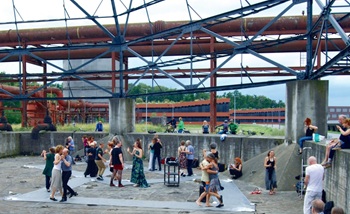
A marked difference to the fate of industrial landscapes in the UK.
Communities will be able to build their own clean energy.
Why diversity and inclusion matters for SMEs

CIOB’s D&I Charter shows how practical changes can support long-term growth.
Cut electricity bills to power growth

Coalition sends joint letter to the Chancellor.

Gasholders: a history in pictures. Book review.
Recognition, influence and growth

SocEnv identifies three strategic pillars in new strategy to 2045.
Discover the future of roofing, cladding and insulation.

New guidance for professional practice, cultural change and regulation in social housing.
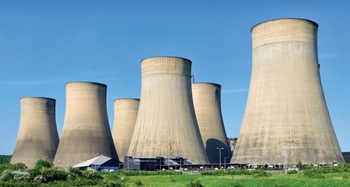
The heritage of nuclear and conventional power stations.
New measures to stop people being ripped off

Government to protect families from cowboy builders and aggressive bailiffs.

New Futurebuild showcase brings an innovation-first approach.
National Planning Policy Framework
Understanding the 2026 changes.