





Eaves
Contents |
[edit] Introduction
Eaves are the part of a roof that projects out horizontally beyond the side of the structure it covers. They can have practical functions, such as to provide shade and protection from rain, as well as aesthetic functions, creating a definite distinction between walls and roof.
Typically, the eave’s width is related to the roof pitch. The steeper the pitch is, the narrower the eaves.
[edit] Types of eaves
There are four basic types of eaves:
- Exposed: The finished underside of the roof and supporting rafters are visible from underneath.
- Soffited: Includes a soffit – the panelling which forms the underside of the eaves, connecting the bottom tip of the eave with the side of the building at a 90-degree angle.
- Boxed-in: Encases the roof rafters but meets the side of the building at the same angle as the roof pitch.
- Abbreviated: Cut off almost perpendicular with the side of the building.
Most types of eaves include a fascia, which is a horizontal board that runs around the edge of the eaves to cover the ends of the extended rafters.
Exposed, soffited and boxed-in eaves generally include air vents to ventilate the roof space or roof structure, preventing the accumulation of moisture and so reducing the likelihood of condensation forming. Eaves can also incorporate guttering, which conveys rainwater run off from the roof to a drainage system.
[edit] Purposes of eaves
Eaves prevent rain, snow and other debris from causing leakage-related damage to the building facade, by directing it out and away from the building.
Eaves can also provide shading to windows, helping to maintain comfortable internal conditions. In the winter, low-level sun is able to penetrate windows to warm and light the interior, whereas in summer, the projecting eaves prevent direct sunlight from entering the building.

They can also be used to help define the architectural style of a building. For example, Dutch Colonial houses featured flared eaves that curved up and away from the roof; the architect Frank Lloyd Wright often used sweeping, elongated eaves in his Prairie house designs; and traditional Asian pagodas are defined by tiers of multiple eaves. A-frame houses include eaves that can reach ground level. A characteristic element of the Italianate style is buildings with decorative, overhanging eaves on a slightly pitched roof.
[edit] Related articles on Designing Buildings Wiki
Featured articles
Check out some of the best features and news from Designing Buildings as well as key stories from around the web.
Mayors are to be given planning call in powers
Mayors across England will be able to make the most important planning decisions.
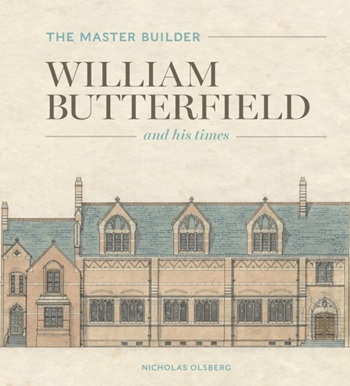
The Master Builder: William Butterfield and his times. Book review.
Why construction can't afford to ignore the skills gap.
Building Safety Regulator, 19 August

Gill Kernick appointed Independent Chair of Residents’ Panel.
Connecting knowledge, technology and conservation
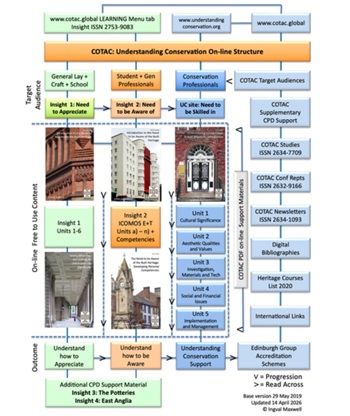
Building competence for the future of built heritage.
Building Regulations and Building Safety Act

CIOB publishes free advice for non-domestic clients.

Building Safety Newsletter from MHCLG.
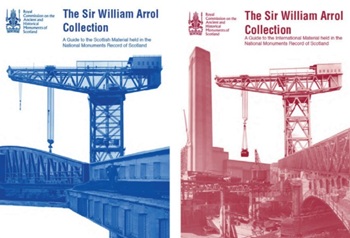
An extraordinary record of steel engineering worldwide.
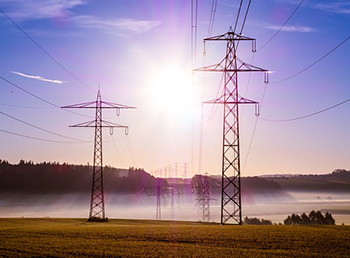
Households living near new pylons to save on bills.

ECA warns growth must not outpace grid capacity or skills.
The role of the client and decision making

CIOB response to built environment professions call for evidence.
Construction's sustainability reporting revolution
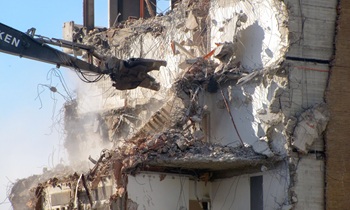
Tracking upfront embodied carbon with digital tools.