





Working at height training
Contents |
[edit] Introduction
Health and safety in the workplace is an area that needs constant reassessment and re-evaluation as industrial practices evolve. Despite rigorous efforts to address safety issues, more than 1 million people are injured in the workplace each year, many of them as a result of working at height. When it comes to fatal injuries, working at height is consistently the greatest single factor, despite a drop from 42 to 37 fatalities from 2014/15 to 2015/16.
This is how the fatal accidents in the workplace were distributed in 2015/16:
- Falls from height: 37
- Struck by moving vehicle: 27
- Struck by moving object: 15
- Trapped by overturning: 13
- Contact with machinery: 9
- Drowning or asphyxiation: 8
[edit] Industries needing working at height training
This is a very tough one to summarise as almost any industry may one day need one or more of their employees to work at height. Having said that, the most at risk industries tend to include: construction and roofing, telecommunications, roadwork operations, warehousing, window-cleaning and decorating and even fishing and the offshore wind industry.
There are, of course, other sectors that involve working at height and the general rule of thumb is that if as a company you can envisage any of your employees working at height on any given day then you should ensure that your employees and managers are adequately trained.
[edit] Risk mitigation in the workplace
While there are all sorts of Personal Protective Equipment (PPE) items on the market the best way to prevent injury in the workplace from working at height is to minimise the risk. The first and most effective way to do this is to ensure all relevant staff are trained. This will allow them to evaluate environmental conditions, place working equipment in the right place, create thorough risk assessments and recognise how long it is safe to work at height and wherever possible make decisions which render working at height unnecessary.
The Health and Safety Work Act 1974, gives employers a duty of care to ensure all employees and visitors to their premises are safe.
[edit] Promoting safe behaviour
Messing around from time to time with colleagues can be a good team-building exercise, but this is never appropriate when working at height. Making sure that everyone understands the gravity of the situation is of paramount importance and ensuring that everyone is regularly kept up to date with training will reinforce this culture of safety.
[edit] Trained employees can focus on their jobs
This may seem like an obvious point, but just imagine that an inadequately trained employee is sent to work at height. They will be unsure of what they are doing and the best practice and as such will inevitably take longer to get the job done. Training may seem like a costly expense, but it can also increase efficiency.
[edit] Saving money in the long term
Splashing out on training may not seem an obvious cost-cutting exercise, but bear in mind that health and safety training can cut down on down-time, eliminate potentially damaging HSE fines and legal battles that can result from injuries obtained in the workplace. There should be a strong moral reason for ensuring training is given, but it is also worth mentioning the long term financial sense.
[edit] Increasing confidence and morale
There are few traits worse than a lack of confidence among employees. When employees are well trained and feel safe and comfortable in the workplace their confidence levels will increase, leading to better performance and self-esteem, which reduces the risk of stress-related absences.
[edit] Related articles on Designing Buildings Wiki
- BS 7883.
- BS 7883 guide released.
- CDM.
- Collective restraint systems.
- Crane supports.
- Crane regulations.
- Dynamic self-retracting lanyard.
- Fall arrest system.
- Fall prevention systems.
- FASET.
- How to use a ladder.
- Injuries on construction sites.
- Lifting Operations and Lifting Equipment Regulations (LOLER).
- Near miss.
- Safety briefing.
- Safety systems for working at heights.
- Scaffold register.
- Scaffolding.
- Toolbox talk.
- Types of crane.
- Work at height.
- Working at height - our duty to prevent harm and protect each other.
- Working at height - our duty to prevent harm and protect each other.
- Work at height checklist for managers.
- Work at height regulations.
Featured articles and news
Costs and insolvencies mount for SMEs, despite growth

Construction sector under insolvency and wage bill pressure in part linked to National Insurance, says report.
The place for vitrified clay pipes in modern infrastructure
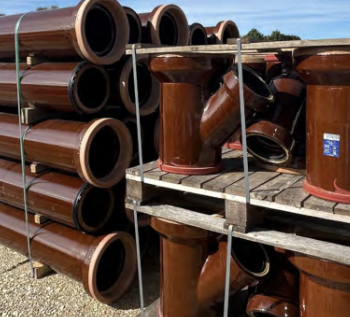
Why vitrified clay pipes are reclaiming their role in built projects.

Research by construction PR consultancy LMC published.
Roles and responsibilities of domestic clients
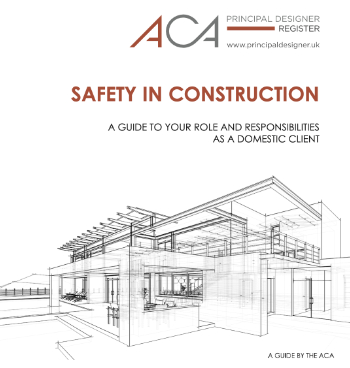
ACA Safety in Construction guide for domestic clients.
Fire door compliance in UK commercial buildings

Architect and manufacturer gives their low down.
Plumbing and heating for sustainability in new properties

Technical Engineer runs through changes in regulations, innovations in materials, and product systems.
Awareness of the Carbon Border Adjustment Mechanism
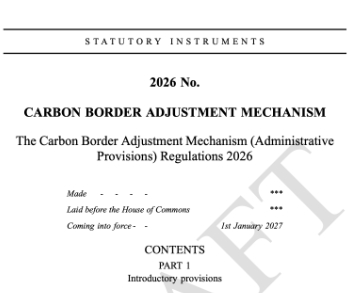
What CBAM is and what to do about it.
The new towns and strategic environmental assessments

12 locations of the New Towns Taskforce reduced to 7 within the new towns draft programme and open consultation.

Buildings that changed the future of architecture. Book review.
The Sustainability Pathfinder© Handbook
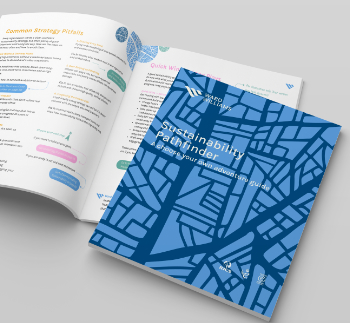
Built environment agency launches free Pathfinder© tool to help businesses progress sustainability strategies.

Government outcome to the late payment consultation, ECA reacts.
IHBC 2025 Gus Astley Student Award winners

Work on the role of hewing in UK historic conservation a win for Jack Parker of Oxford Brookes University.
Future Homes Building Standards and plug-in solar
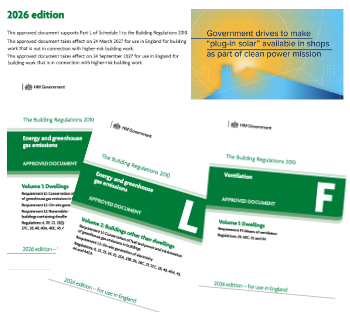
Parts F and L amendments, the availability of solar panels and industry responses.
How later living housing can help solve the housing crisis

Unlocking homes, unlocking lives.
Preparing safety case reports for HRBs under the BSA
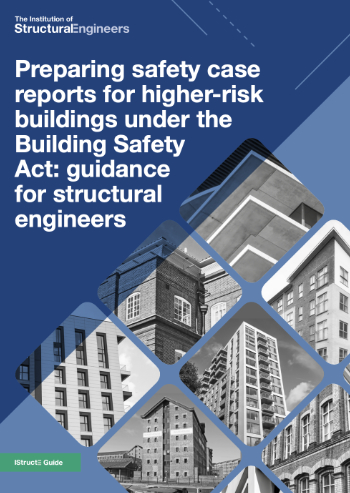
A new practical guide to preparing structural inputs for safety cases and safety case reports published by IStructE.
Male construction workers and prostate cancer

CIOB and Prostate Cancer UK encourage awareness of prostate cancer risks, and what to do about it.