





Vastu shastra

|
Vastu Shastra (VS) is an ancient Hindu system of architecture and design that also embodies traditional Buddhist beliefs. It literally means the ‘science of dwelling’ and aims to achieve harmony and prosperous living by eliminating negative energies and enhancing the positive ones. Just like Feng Shui, it can be applied to buildings in the hope that they will become better places for the heart and soul.
Vastu Shastra is the written part of Vastu Vidya – the ancient wider theories of architecture and design from ancient India.
At the core of Vastu Shastra is the idea that energy is all around us, some of which has positive effects on humans and some negative. Eliminating the negative and enhancing the positive at any location will help building occupants – whether individuals, families or businesses – to become not only more prosperous and progressive but also to think and act positively. Such 'enhanced' places are claimed to be more in tune with ‘mother nature’, helping people to live balanced and happy lives.
According to proponents of Vastu Shastra, if a building is not constructed according to VS principles, the effect on those living or working there will be a lack of harmony and progression, leading to a reduction in wealth, illness and even the death of loved ones.
[edit] History
Ancient Vastu Shastra principles cover design, layout, measurements, ground preparation, spatial hierarchy and geometry. They aim to achieve an organic whole that is in harmony with nature. Geometric patterns, symmetry and directional alignments are used to integrate architecture and structure with the natural world.
There were numerous Vastu Shastras on architectural design in ancient India which were circulated up to the tenth century AD. They covered areas such as temple layout, design and construction (so that it becomes a holistic element in the community) and design principles for houses, villages and towns. There might also have been chapters on town planning and house construction, and how to integrate water bodies and gardens to achieve natural harmony.
The Mandala – a spiritual and ritual symbol representing the universe – forms a key component of VS design; it may occupy one square module or many, up to 196 (14 x 14 squares). A typical example of Vastu Shastra design is the symmetrical and concentric layout of Hindu temples where each concentric layer has spiritual and ritual significance (the Mandala).
[edit] Modern usage
The ancient body of Vastu Shastra knowledge is sometimes used as a guide by modern architects, but it is not adhered to as if it were a code. The square grid mandala may be used as a model of organisation but does not form a ground plan. According to Sachdev and Tillotson, employing the mandala concept of VS does not mean that every room has to be square. The basic theme is a core element of central space surrounded by peripheral zones, with direction imparted by spatial function and sunlight (Ref ‘The Making of an Indian City’, Sachdev and Tillotson, Reaktion Books).
Some modern architects such as RIBA gold medallist Charles Correa incorporate VS principles in their work, while Le Corbusier is thought to have used VS in his design for Chandigarh city, India.
[edit] Related articles on Designing Buildings Wiki
Featured articles
Check out some of the best features and news from Designing Buildings as well as key stories from around the web.
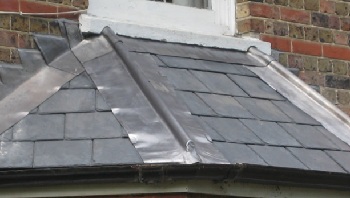
A quick introduction to its uses and risks.
Construction Management, 17 June

Government rolls out digital planning tool to all local authorities.

Your views needed - a strategy for the professions, trades and occupations.

Confronting competency, codes, capacity and costs.

The hidden risk in modern construction supply chains.
Construction Management, 10 June

24 months to 14: CITB launches accelerated apprenticeships.
Bridging the gap between clients and contractors

Concerns remain around contractor quality, capability, and delivery.
Construction Management, 10 June.

Heat pumps beat boilers in new home tests.
Building Safety Act implementation in Wales
CIAT to host industry panel on 26 June.
New and updated CLC building safety guidance.
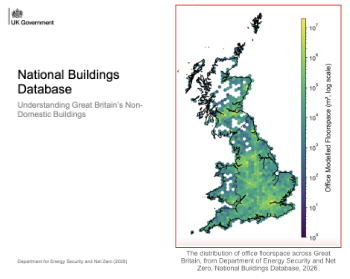
New UK National Buildings Database.