




Natural environment

Contents |
[edit] How is the natural environment defined?
The term 'natural environment' refers to the non-human-made surroundings and conditions in which living and non-living things exist on Earth. The common concept of the natural environment encompasses two different components:
- Ecological units that operate as natural systems (such as soil, vegetation and so on).
- Universal natural resources (such as air and water).
The natural environment is in contrast with the 'built environment' which refers to areas that have been fundamentally transformed and influenced by human activity, such as cities, towns, infrastructure, and so on.
[edit] What impact does construction have on the natural environment?
Gemini Papers: What are connected digital twins?, published by the Centre for Digital Built Britain in 2022, suggests that: ‘The natural environment provides the foundations of the built environment, the economy, society and the planet. It is the original source of everything from fresh water and food to materials and medicine. It plays a critical role in regulating water cycles and temperature; buffering against extreme weather events; preventing the spread of disease; recycling nutrients and storing carbon; and ensuring the health and wellbeing of society.’
Environmental modelling involves the application of multidisciplinary knowledge to explain, explore and predict the Earth’s response to environmental change, both natural and human-induced.
Construction plays a central role in transforming the natural environment into the built environment, and there are many considerations and restrictions that can apply before a project is given permission to proceed in terms of how it may influence the environment.
For example, an environmental impact assessment (EIA) may be required to ensure that the environmental effects of a proposed development are properly considered. An EIA provides the local planning authority with better information to make a more informed decision about whether permission should be granted and to allow imposition of more appropriate conditions and obligations to mitigate possible negative impacts. For more information see: Environmental impact assessment
In addition, Ecological Impact Assessments (EcIA) can be undertaken to identify, quantify and evaluate the potential impacts of defined actions on ecosystems or their components. Ecological Impact Assessments are required for some large or sensitive projects to ensure that ecological effects are properly considered. For more information see: Ecological Impact Assessments
The green belt is intended to constrain the built environment and prevent it from spreading over the natural environment. For more information see: Green belt.
[edit] Other information about the natural environment
Designing Buildings has a wide range of articles relating to the environment, including:
- Ancient woodland.
- Areas of Outstanding Natural Beauty.
- Biodiversity.
- Blue belt.
- Climate change science.
- Construction environmental management plan.
- Ecological network.
- Ecology and the built environment.
- Environment Agency.
- Environmental engineering.
- Environmental impact.
- Environmental Impact Assessment.
- Environmental modelling.
- Environmental permit.
- Environmental plan.
- Environmental policy.
- Environmental Protection Act.
- Environmental statement.
- Forests.
- Green belt.
- Greenhouse gases.
- Landscape design.
- Local green space.
- Local Nature Reserve.
- National nature reserves.
- National parks.
- Natural England.
- Nature improvement area.
- Protected species.
- Site of Nature Conservation Interest (SNCI).
- Soil.
- Sustainability.
- Thermal environment.
- Tree preservation order.
- Village greens.
- Water
[edit] Related articles on Designing Buildings
IHBC NewsBlog
IHBC sponsors Gardens Trust event 23-4 Sept 2026
.jpeg)
'Learning from the Past, Shaping the Future’ takes place in Milton Keynes
Renovations to Frank Lloyd Wright's Fallingwater complete
.jpg)
World Heritage Preserved project opens house for tours again
Shakespeare Birthplace Trust places Hall's Croft on HAR Register
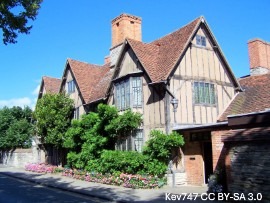
Stratford-upon-Avon home of Shakespeare's daughter is 'At Risk'
Lady Grange’s House repaired on St Kilda
.jpg)
National Trust for Scotland repairs stone cleit with link to famous island resident
Griff Rhys Jones on BBC Radio 4 Today programme
,_Green_Lane,_Derby.jpg)
The Victorian Society’s President unveiled its latest Top Ten Endangered Buildings 2026.
Need a MATE? Book your place now.

IHBC offers free webinars on applying for IHBC accreditation (Full & Associate).
UK Stained Glass Repository finds windows new homes
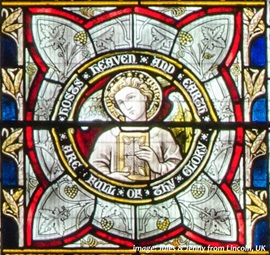
How are stained glass windows are rescued, stored and repurposed?
APPGEBE report sets high aims for quality
'Government must not sacrifice quality in drive to build 1.5m homes'
New measures protect Historic Shipwrecks from heritage crime

Underwater cultural heritage benefits from new HE guidance
How could the City of London skyline look in 6 years' time?

Visualisation shows approved planning applications as completed buildings
National Trust for Scotland calls for VAT cuts
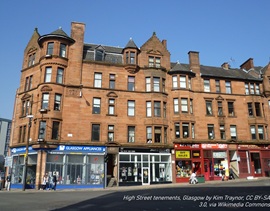
Heritage neglect is encouraged by current policies
IHBC's 'Context' Issue 186 features Industrial Heritage
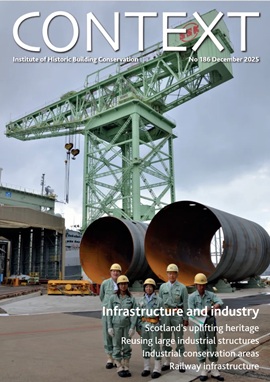
IHBC's members' journal reports on the challenges of conserving infrastructure
Book now for IHBC Annual School 2026
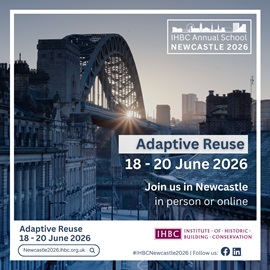
IHBC Annual School is taking place 18-20 June 2026 in Newcastle
RICHeS Research Infrastructure offers ‘Full Access Fund Call’
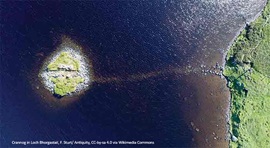
RICHeS offers a ‘Help’ webinar on 11 March
Latest IHBC Issue of Context features Roofing
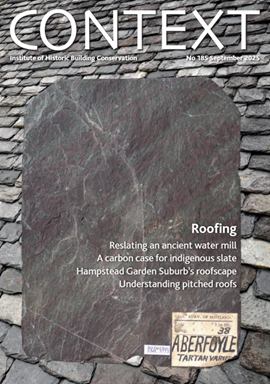
Articles range from slate to pitched roofs, and carbon impact to solar generation to roofscapes
Three reasons not to demolish Edinburgh’s Argyle House

Should 'Edinburgh's ugliest building' be saved?
IHBC’s 2025 Parliamentary Briefing...from Crafts in Crisis to Rubbish Retrofit
IHBC launches research-led ‘5 Commitments to Help Heritage Skills in Conservation’
How RDSAP 10.2 impacts EPC assessments in traditional buildings

Energy performance certificates (EPCs) tell us how energy efficient our buildings are, but the way these certificates are generated has changed.
Comments
[edit] To make a comment about this article, or to suggest changes, click 'Add a comment' above. Separate your comments from any existing comments by inserting a horizontal line.