






The role of reinforcing fibreglass mesh in construction
Contents |
[edit] Fibreglass Mesh as reinforcement
In modern construction and various industrial applications, reinforcing fibreglass mesh has emerged as a pivotal material, offering unparalleled strength, durability, and versatility. This composite reinforcement material, composed of woven glass fibres coated with resin, plays a crucial role in enhancing the structural integrity of numerous products and structures.
[edit] Understanding Reinforcing Fibreglass Mesh
Reinforcing fibreglass mesh is a grid-like fabric made from fine glass fibres, meticulously woven to form a robust network. The fibres are coated with an alkali-resistant resin, typically polyurethane or PVC, which enhances the mesh's durability and ensures a strong bond with materials like concrete, plaster, or asphalt. This combination results in a lightweight yet exceptionally strong reinforcement solution.
[edit] Key Properties of Reinforcing Fibreglass Mesh
- High Tensile Strength: Fibreglass mesh exhibits remarkable tensile strength, making it highly effective in distributing stress and preventing cracks in reinforced materials.
- Corrosion Resistance: Unlike steel reinforcements, fibreglass mesh is impervious to corrosion, ensuring longevity and reducing maintenance costs in structures exposed to harsh environments.
- Lightweight and Flexible: The mesh's lightweight nature facilitates easy handling and installation, while its flexibility allows it to conform to various shapes and surfaces.
- Chemical Resistance: Fibreglass mesh is resistant to a wide range of chemicals, making it suitable for applications in aggressive environments.
[edit] Applications of Reinforcing Fibreglass Mesh
[edit] Construction and Building Industry
- Exterior Insulation and Finish Systems (EIFS): In EIFS, fibreglass mesh is embedded in the base coat to create a strong, crack-resistant surface, enhancing both the aesthetic appeal and thermal insulation properties of buildings.
- Wall Reinforcement: When plastering or rendering walls, especially in areas prone to cracking, fibreglass mesh acts as a reinforcement agent, distributing stress evenly across the wall surface and ensuring long-term stability.
- Waterproofing Projects: In roofing applications, fibreglass mesh is used in combination with waterproof coatings to increase tear resistance and durability, providing a better bond for the coating and ensuring effective waterproofing.
[edit] Industrial Applications
- Composite Manufacturing: Fibreglass mesh is integral in the production of composite materials, reinforcing fibreglass reinforced plastic (FRP) tanks, pipes, and automotive parts, thereby enhancing their strength and durability.
- Agriculture: In agricultural settings, fibreglass mesh is used to protect greenhouse walls from wind damage, contributing to the structural integrity of agricultural buildings.
[edit] Infrastructure and Road Construction
- Road and Pavement Repair: Fibreglass mesh is utilised in road construction to reinforce asphalt overlays, reducing reflective cracking caused by traffic loads and extending the lifespan of road surfaces.
- Bridge and Tunnel Construction: The mesh's corrosion resistance makes it ideal for reinforcing structures exposed to harsh environmental conditions, such as bridges and tunnels, ensuring their durability and safety.
[edit] Advantages Over Traditional Reinforcement Materials
- Corrosion Resistance: Fibreglass mesh does not rust, making it ideal for use in coastal areas or environments where steel reinforcement would be susceptible to corrosion.
- Cost-Effectiveness: While the initial cost may be higher, the durability and reduced maintenance requirements of fibreglass mesh lead to lower overall lifecycle costs.
- Ease of Installation: The lightweight and flexible nature of fibreglass mesh simplifies handling and installation processes, reducing labour costs and construction time.
[edit] Conclusion
Reinforcing fibreglass mesh stands as a cornerstone in modern construction and industrial applications, offering a combination of strength, durability, and versatility that traditional materials often lack. Its unique properties make it an indispensable component in creating structures that are not only robust and long-lasting but also cost-effective and efficient to build.
[edit] Related articles on Designing Buildings
- Acrylic.
- Carbon fibre.
- Cladding.
- Curtain wall systems.
- Glass fibre.
- Formwork.
- Geodesic dome.
- Glass.
- Glass reinforced concrete.
- Joined-up thinking is key to building safely.
- Laminate.
- Modular buildings.
- Off site materials.
- Plastic.
- Plastic cladding.
- Polycarbonate plastic.
- Resin.
- The development of structural membranes.
Featured articles and news
Costs and insolvencies mount for SMEs, despite growth
Construction sector under insolvency and wage bill pressure in part linked to National Insurance, says report.
The place for vitrified clay pipes in modern infrastructure
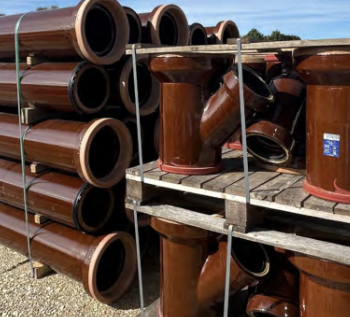
Why vitrified clay pipes are reclaiming their role in built projects.

Research by construction PR consultancy LMC published.
Roles and responsibilities of domestic clients

ACA Safety in Construction guide for domestic clients.
Fire door compliance in UK commercial buildings

Architect and manufacturer gives their low down.
Plumbing and heating for sustainability in new properties

Technical Engineer runs through changes in regulations, innovations in materials, and product systems.
Awareness of the Carbon Border Adjustment Mechanism

What CBAM is and what to do about it.
The new towns and strategic environmental assessments

12 locations of the New Towns Taskforce reduced to 7 within the new towns draft programme and open consultation.

Buildings that changed the future of architecture. Book review.
The Sustainability Pathfinder© Handbook
Built environment agency launches free Pathfinder© tool to help businesses progress sustainability strategies.

Government outcome to the late payment consultation, ECA reacts.
IHBC 2025 Gus Astley Student Award winners

Work on the role of hewing in UK historic conservation a win for Jack Parker of Oxford Brookes University.
Future Homes Building Standards and plug-in solar
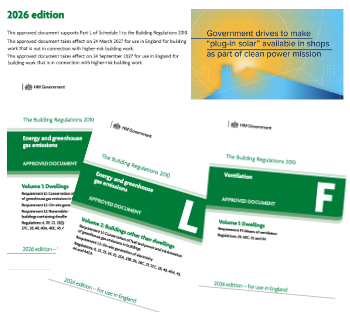
Parts F and L amendments, the availability of solar panels and industry responses.
How later living housing can help solve the housing crisis

Unlocking homes, unlocking lives.
Preparing safety case reports for HRBs under the BSA
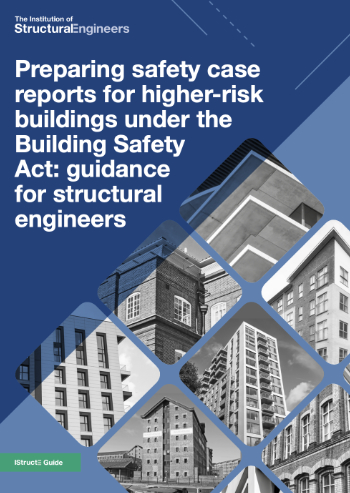
A new practical guide to preparing structural inputs for safety cases and safety case reports published by IStructE.
Male construction workers and prostate cancer

CIOB and Prostate Cancer UK encourage awareness of prostate cancer risks, and what to do about it.