





What is H-Scaffolding?
Contents |
[edit] What is H-scaffolding?
H-scaffolding is a platform for plastering, painting, insulation, and cladding work on the internal and external walls of buildings, as well as for the construction and repair of ships. It consists of vertical, horizontal, and diagonal sections and is known for its rigidity, reliability, and safety features. The basic elements of H-scaffolding include interconnected frames, metal plates, stairs, base jacks, adjustable supports, and adjustable screws. It is made from certified tubes and is hot-dipped galvanised for durability. H-scaffolding can be used in a variety of settings, including residential and commercial buildings, subway and metro stations, industrial buildings, energy facilities, medical institutions, viaducts and bridges, and hydroelectric projects. It can also be used as staging for higher heights in commercial and industrial buildings and for other architectural purposes. H-frames are made from 40 NB Class B tubes and are an efficient and cost-effective way to erect scaffolding at maximum height with minimum labour and tools. They can be used on their own or in combination to create towers or arrays of the exact height needed for a job.
[edit] Basic elements
The system basically consists of interconnected frames. One H-frame is 2 metres high, while the length between two H-frames is 2.5 metres. The system also uses auxiliary elements.
Adjustable screws are used to eliminate the height difference of inclined floors. Steel working platforms add strength and safety to the scaffolding. Access between floors is safe within the scaffold, in certain applications such as stairs or access ladders. The use of scaffold clamps in sheathing work ensures the safety of the scaffold and makes it easier to use.
[edit] Features of H-frame scaffolding
The system is made from TS EN 10219-1 certified tubes, 48.3 × 3.0mm frames, 42 × 2.5mm diagonal elements and 34 × 2.0mm horizontal elements. The production of our scaffolding is carried out by means of gas welding robots in accordance with the EN ISO 3834-3 welding quality standard.
The working platform has a load capacity of 300 kg / m² and is manufactured by means of a roll forming machine. The system is hot-dipped galvanised in accordance with TS EN 12811-2.
[edit] Related articles on Designing Buildings
- Building wraps.
- Debris netting.
- Demolition.
- Facade retention.
- Falsework.
- Formwork.
- Gantry.
- How to remove scaffolding.
- How to use a ladder.
- Putlog holes.
- Roped access for conservation projects.
- Rubble chute.
- Scaffold.
- Scaffold register.
- Shoring.
- Temporary works.
- Trench support.
- Types of crane.
- Types of scaffolding.
- Work at height.
- Work at height checklist for managers.
- Work at height regulations.
- Working platform.
Featured articles
Check out some of the best features and news from Designing Buildings as well as key stories from around the web.

Why construction can't afford to ignore the skills gap.
Building Safety Regulator, 19 August

Gill Kernick appointed Independent Chair of Residents’ Panel.
Connecting knowledge, technology and conservation
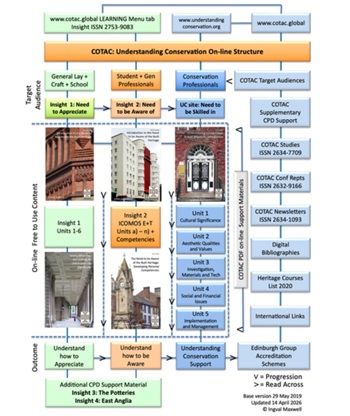
Building competence for the future of built heritage.
Building Regulations and Building Safety Act
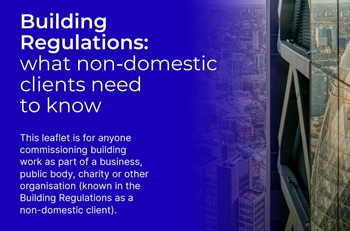
CIOB publishes free advice for non-domestic clients.

Building Safety Newsletter from MHCLG.

An extraordinary record of steel engineering worldwide.
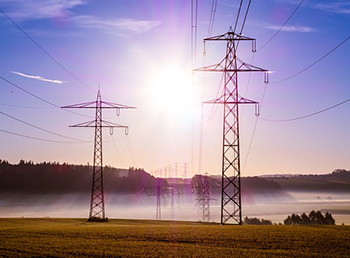
Households living near new pylons to save on bills.

ECA warns growth must not outpace grid capacity or skills.
The role of the client and decision making

CIOB response to built environment professions call for evidence.
Construction's sustainability reporting revolution
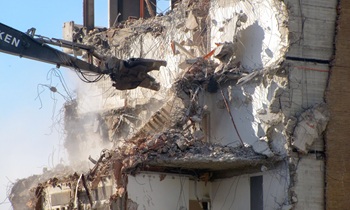
Tracking upfront embodied carbon with digital tools.
ECA welcomes procurement reforms

Public spending must back British jobs and skills.
Campaigning for Edinburgh: the Cockburn Association 1875-2049

The role of the civic voice in protecting character. Book review.
Comments
[edit] To make a comment about this article, click 'Add a comment' above. Separate your comments from any existing comments by inserting a horizontal line.