





Smart pump

This 3D printed prototype is an enclosure for a MoMo device that measures flow rate on a rope pump in rural Tanzania.
Contents |
[edit] Introduction
A smart pump is a pump that functions in a specific way under certain conditions. When connected through a network (as other devices operate by way of the Internet of Things) smart pumps communicate with each other and with those who operate them.
[edit] Basic smart pumps
Smart pumps can be used to prevent flooding. These devices are designed to respond to rising water conditions. When the water reaches a predetermined level, it completes a circuit. This causes the smart pump to operate. When the water level drops, the circuit is ‘broken’ and the pump stops.
In domestic applications, a smart sump pumping system is one that uses WiFi technology to send alert messages when flood conditions are possible. They can also relay messages about the condition of the pump if it malfunctions.
[edit] Telemetry
More advanced smart pumps use sensors or other Internet of Things (IoT) devices associated with telemetry to collect data. Telemetry is defined as data collection from remote points which is then automatically transmitted to monitoring equipment designed to receive the information. Because the data is collected automatically, technicians do not have to schedule visits to sites where the devices are operating unless it is physically necessary.
Some telemetry devices on smart pumps can communicate through SMS messages to send operational updates from remote locations. This is a relatively low cost method of communication with a wide coverage range.
[edit] Energy efficiency
Smart pumps can be used to optimise energy consumption and minimise pump lifecycle costs through reduced maintenance. These devices typically use pumps that are driven by variable frequency drives (VFDs) and can gather information regarding operating performance. Possible benefits may include:
Additional reductions may be realised by increased process automation and efficiency.
One drawback to smart pumps may be the slow acceptance of site technicians in water and wastewater treatment facilities, to support smart pumps. This may be due to lack of familiarity with the devices or concerns over the additional maintenance that may be required.
[edit] Smart pumps for remote communities
In certain parts of the world, the delivery of clean water is a challenge. To address this problem, UNICEF is researching the feasibility of deploying remote sensors and mobile technology in ways that can help make pumps smarter and enable them to improve sustainable access to clean water.
Through the use of real-time data, it will be possible to issue alerts when pumps malfunction, allowing for quicker repairs and less down time for communities in need of water. The monitoring systems will also collect prognostic information that can be used to help anticipate failures based on patterns and historical data. This will allow technicians to repair devices proactively before problems occur.
Exploratory projects include:
- SweetSense programme (developed with support from Portland State University). This sensor technology monitors performance of infrastructure including sanitation and water projects.
- Smart Handpumps (University of Oxford). These devices use a mobile data transmitter and an accelerometer linked to the pump handle to gather hourly pump usage data.
- MoMo mobile monitors (WellDone). This approach uses GSM-enabled units attached to handpumps, pipes and power systems to collect and send data through SMS messages that can be monitored for usage levels associated with water and energy infrastructure.
- MANTIS (Leeds Beckett University and Environmental Monitoring Systems). Short for Monitoring and Analytics to Improve Service, Mantis is looking to develop telemetry tools for post-construction monitoring of remote water points in developing regions.
[edit] Related articles on Designing Buildings Wiki
- Global smart water management.
- Internet of things IoT.
- Sump pump.
- Sustainable water management.
- Switch.
- Water engineering.
[edit] External resources
Featured articles and news
A safe energy transition – ECA launches a new Charter

Practical policy actions to speed up low carbon adoption while maintaining installation safety and competency.
Frank Duffy: Researcher and Practitioner

Reflections on achievements and relevance to the wider research and practice communities.
The 2026 Compliance Landscape: Fire doors

Why 'Business as Usual' is a Liability.
Cutting construction carbon footprint by caring for soil

Is construction neglecting one of the planet’s most powerful carbon stores and one of our greatest natural climate allies.
ARCHITECTURE: How's it progressing?

Archiblogger posing questions of a historical and contextual nature.
The roofscape of Hampstead Garden Suburb

Residents, architects and roofers need to understand detailing.
Homes, landlords. tenants and the new housing standards

What will it all mean?
The Architectural Technology podcast: Where it's AT

Catch-up on the latest episodes.
Edmundson Apprentice of the Year award 2026

Entries now open for this Electrical Contractors' Association award.

Traditional blue-grey slate from one of the oldest and largest UK slate quarries down in Cornwall.

There are plenty of sources with the potential to be redeveloped.
Change of use legislation breaths new life into buildings

A run down on Class MA of the General Permitted Development Order.
Solar generation in the historic environment
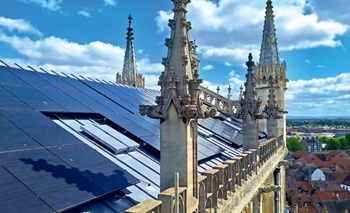
Success requires understanding each site in detail.
Level 6 Design, Construction and Management BSc

CIOB launches first-ever degree programme to develop the next generation of construction leaders.

Open for business as of April, with its 2026 prospectus and new pipeline of housing schemes.
The operational value of workforce health

Keeping projects moving. Incorporating unplanned absence and the importance of health, in operations.
Comments