





Self-build home: Prepare a concept design

Introduction.
In this stage, we attribute design activities to ‘designers’. These may be architects and engineers, a design and build contractor, or a kit house supplier. If a kit house supplier is only supplying the house itself, additional design consultants may be required.
Concept design is the first design stage. Some designers will differentiate between 'concept design' and 'scheme design'. In this case, the 'concept' is the initial design idea (or outline design), whereas the 'scheme' develops the concept, taking on board more functional and practical considerations.
It may be necessary for designers to undertake site surveys and other site appraisals before starting the concept design, for example, digging trial pits before designing foundations.
Design is an iterative and collaborative process, it requires close involvement of all those with an interest in the completed home. This is important not only to ensure a suitable design is developed, but also to make certain that everyone has ‘bought into’ the design and it is not just one person’s vision.
Developing the brief.
It is likely that the project brief will continue to develop as the concept design is prepared. It is important that these developing requirements are written down so there is a record of what has been agreed. Development of the brief might include:
- Preferred style and materials.
- Requirement for spaces to be open plan or enclosed.
- Ability to operate parts of the building separately (for example an office, children’s areas or guest rooms).
- Sound insulation and sound absorption requirements.
- Provision of en-suite or shared bathrooms, dressing rooms and so on.
- Accessibility requirements for people with disabilities or impaired mobility.
- Access to and views of gardens and the surrounding landscape.
- Entry spaces and reception spaces.
- Fireplaces, wood burning stoves and so on.
- Hard v soft floor coverings.
- Security, intruder alarms, cctv, door and gate entry systems and post facilities.
- Audio visual, ICT, entertainment and other equipment requirements.
- Specialist requirements for finishes, fixtures and fittings.
- Orientation in relation to the sun, prevailing winds and views.
- Natural lighting.
- Artificial lighting (general and feature) and controls.
- Comfort conditions (radiant temperature, air temperature, natural and mechanical ventilation and so on).
- Storage requirements and utility rooms.
- Internal and external waste storage and collection.
- The possibility of including enabling works for future extensions.
- Galleries and balconies.
- External landscaping such as; planting, seating areas, drainage, sprinklers and taps, lighting and power, paths, screens, fences, walls, shading and so on.
Developing the concept design.
The concept design should develop to include:
- A site plan, including; access, car parking, hard surfaces, landscape, water features, art and so on.
- Floor plans, sections and elevations.
- Analysis of the relationships between related functions.
- Building services strategy (heating, ventilation, electrical supply, lighting and so on).
- Outline specification describing the main materials and workmanship required.
- Schedules of accommodation.
- A strategy for obtaining planning permission.
- Procurement strategy.
- Programme, construction methodology and logistics.
- Approximate quantities of the main materials proposed.
- A cost plan (including site preliminaries).
This information should be co-ordinated and issued at the end of the stage for comment or approval before the project proceeds to detailed design or a planning application is submitted.
The brief should be frozen at the end of the concept design stage and any subsequent changes that materially alter the cost should be carefully considered by the self builder for approval or rejection.
Featured articles and news
Costs and insolvencies mount for SMEs, despite growth
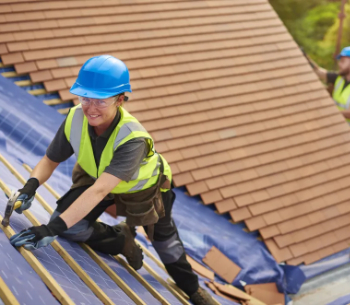
Construction sector under insolvency and wage bill pressure in part linked to National Insurance, says report.
The place for vitrified clay pipes in modern infrastructure
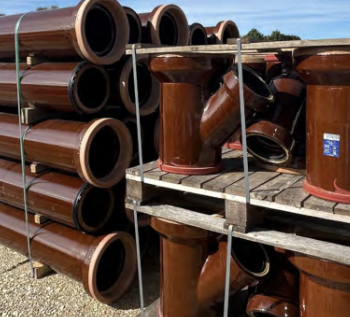
Why vitrified clay pipes are reclaiming their role in built projects.
Research by construction PR consultancy LMC published.
Roles and responsibilities of domestic clients
ACA Safety in Construction guide for domestic clients.
Fire door compliance in UK commercial buildings

Architect and manufacturer gives their low down.
Plumbing and heating for sustainability in new properties
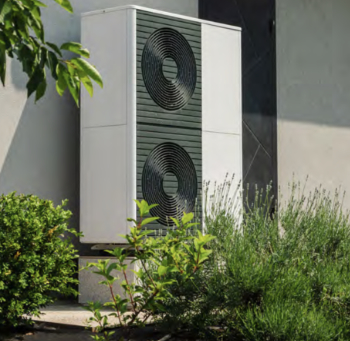
Technical Engineer runs through changes in regulations, innovations in materials, and product systems.
Awareness of the Carbon Border Adjustment Mechanism
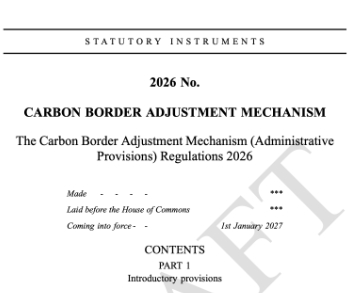
What CBAM is and what to do about it.
The new towns and strategic environmental assessments
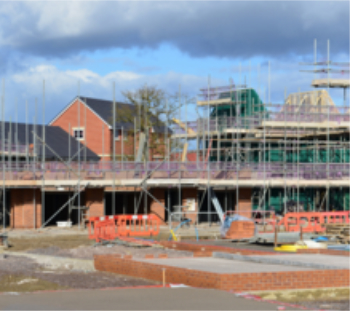
12 locations of the New Towns Taskforce reduced to 7 within the new towns draft programme and open consultation.
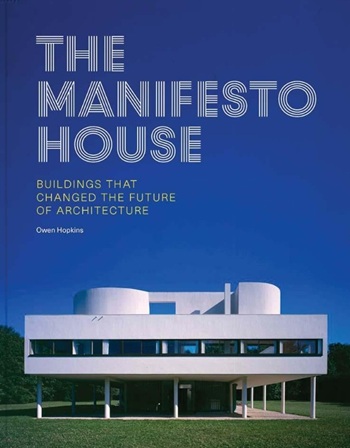
Buildings that changed the future of architecture. Book review.
The Sustainability Pathfinder© Handbook
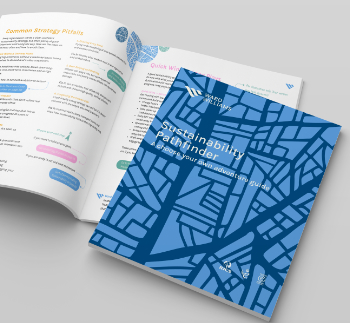
Built environment agency launches free Pathfinder© tool to help businesses progress sustainability strategies.
Government outcome to the late payment consultation, ECA reacts.
IHBC 2025 Gus Astley Student Award winners

Work on the role of hewing in UK historic conservation a win for Jack Parker of Oxford Brookes University.
Future Homes Building Standards and plug-in solar
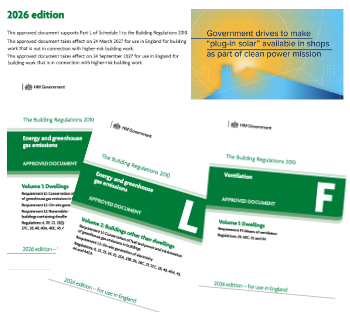
Parts F and L amendments, the availability of solar panels and industry responses.
How later living housing can help solve the housing crisis
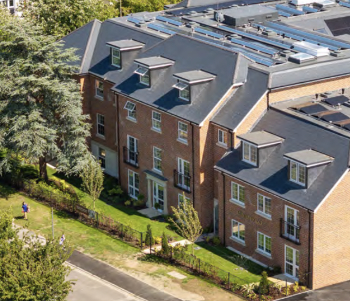
Unlocking homes, unlocking lives.
Preparing safety case reports for HRBs under the BSA
A new practical guide to preparing structural inputs for safety cases and safety case reports published by IStructE.
Male construction workers and prostate cancer

CIOB and Prostate Cancer UK encourage awareness of prostate cancer risks, and what to do about it.