





Mains water

Contents |
[edit] Introduction
Water supplied by the public water supply system is sometimes referred to as mains water. Pipework that delivers the public water supply is sometimes referred to as a water main.
Access to safe water is essential for good health. The 2030 Agenda for Sustainable Development recognised access to safe drinking water and sanitation as a human right. However, in the foreword to the 2019 World Water Development Report, Audrey Azoulay, Director-General of UNESCO conceded that: “… nearly a third of the global population do not use safely managed drinking water services and only two fifths have access to safely managed sanitation services.”
[edit] UK water supply
In the UK, mains water is supplied by local monopoly water companies. Typically, the first stage of the water supply process is the collection of rainwater in reservoirs, either from rivers and streams or from groundwater. This is pumped to water treatment works where it is treated and then stored in covered reservoirs before being pumped out via a distribution network of pipes and pumping stations.
Local monopoly water companies have a duty under section 45 of the Water Industry Act 1991 to respond to requests for new connections for domestic purposes, but can charge for providing the connection.
Domestic connection includes water for:
- Washing (washing machines, dishwashers and so on).
- Cooking.
- Sanitary facilities (toilets, bathrooms, showers and so on).
Non-domestic use includes water for:
- Commercial or industrial purposes.
- Outside garden taps.
- Swimming pools.
Water companies must make sure they can meet existing and potential demand for domestic purposes when considering requests for non-domestic supply.
Some properties may source their water from a private water supply such as a borehole or well, for example, if the cost of providing a connection to the public water supply would be unreasonable.
[edit] Domestic water distribution
A stop cock should be available within properties to turn off the mains water supply.
Domestic mains water supply can be indirect, that is, it is supplied to a cold water tank where it is stored and then gravity-fed through the building (as well as directly to kitchen taps) or it can be direct, that is, all taps and appliances are fed directly from the water main at mains water pressure. Direct systems typically require less space as there is no water storage requirement, and they supply water at a higher pressure. However, if the water supply is interrupted, there is no stored water available to use.
Part G of the Building Regulations sets out requirements for sanitation, hot water safety and water efficiency. Approved document G to the Building Regulations provides guidance on:
- Cold water supply.
- Water efficiency.
- Hot water supply and systems.
- Sanitary conveniences and washing facilities.
- Bathrooms.
- Food preparation areas.
[edit] Restriction of supply
Water companies are not permitted to disconnect or restrict domestic water supply if a customer owes them money. They can however take customers to court to recover money owed, and bailiffs may be permitted take goods to sell if the judgement is not settled.
Occasionally, the mains water supply may be restricted due to water shortages. Water companies can impose a ban or restriction on the use of hosepipes and sprinklers or can apply to the government for a drought order.
An ordinary drought order limits the use of water for specific activities such as car washing or watering gardens. An emergency drought order limits the supply of water and makes alternative arrangements for the supply of water, for example by erecting stand pipes.
For more information see: Hosepipe ban.
[edit] Related articles on Designing Buildings
- Approved Document G.
- Back siphonage.
- Clarified water.
- Greywater.
- Hosepipe ban.
- Mains (electricity, water and gas).
- Non-wholesome water.
- Passive water efficiency measures.
- Public water supply.
- Rainwater harvesting.
- Sustainable urban drainage systems.
- Sustainable water.
- The State of the Environment: Water Resources.
- Types of water.
- Water.
- Water consumption.
- Water conservation.
- Water Industry Act 1991.
- Water meter.
- Water purification.
- Water quality.
- Water resources.
- Water safety plan WSP.
- Water tank.
- Water transfers and interconnections.
Featured articles
Check out some of the best features and news from Designing Buildings as well as key stories from around the web.
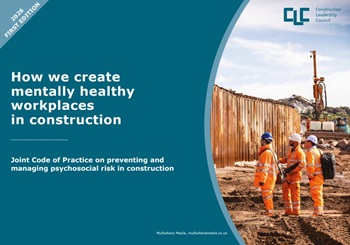
CLC publishes Mental Health Joint Code of Practice.
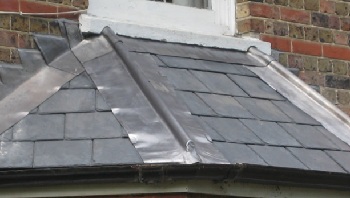
A quick introduction to its uses and risks.
Construction Management, 17 June

Government rolls out digital planning tool to all local authorities.
Your views needed - a strategy for the professions, trades and occupations.

Confronting competency, codes, capacity and costs.
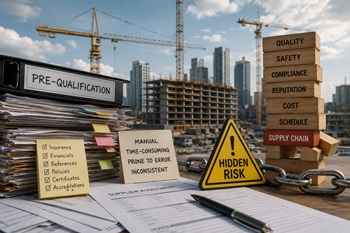
The hidden risk in modern construction supply chains.
Construction Management, 10 June
24 months to 14: CITB launches accelerated apprenticeships.
Bridging the gap between clients and contractors
Concerns remain around contractor quality, capability, and delivery.
Construction Management, 10 June.
Heat pumps beat boilers in new home tests.
Building Safety Act implementation in Wales
CIAT to host industry panel on 26 June.
New and updated CLC building safety guidance.