





Green Home Finance Roadmap published by the Green Finance Institute in collaboration with the Green Mortgage Advice Initiative

The Climate Change Committee (CCC) report, "Sector summary Buildings," estimates that achieving the UK's net-zero target for the residential building sector by 2050 requires significant investment in technical measures and associated costs. Figures of around £311.5 billion have been muted at the costs feasibly of reaching the 2050 target.
This report, "The Green Home Finance Roadmap for the mortgage industry', published on 27 August 2025 was developed by the Green Finance Institute (GFI) in partnership with the Green Mortgage Advice Initiative (GMAI) and Mortgage Solutions. The team gained support from 34 organisations and industry groups spanning finance, energy, and the built environment. Amongst its backers are the National Retrofit Hub, UK Green Building Council, Building Societies Association, Intermediary Mortgage Lenders Association, Association of Mortgage Intermediaries (AMI), and the Equity Release Council.
Green Finance Institute (GFI) was established in 2019, with a pragmatic approach to channelling capital to facilitate real economy change, shaping the discourse around green finance. It is an independent company with a track record of cross-sector engagement, responding to market barriers and developing solutions. It is an independent advisor to governments, demonstrating, and scaling financial solutions that are needed to accelerate the transition to a net-zero and nature positive economy. They partner with financial organisations, corporates, NGOs, policymakers, academics and civil society experts to create and scale innovative solutions that deliver practical outcomes for communities and economies. It has helped to pioneer the use of green mortgages, local climate bonds and property linked finance.
Research from the GFI showed there is growing demand for green mortgages, with half of homeowners and as many as 80% of first-time buyers in Scotland indicating a willingness to use such products to buy or upgrade to more energy-efficient homes. The document sets out a plan for embedding sustainability across the mortgage market in collaboration with non-financial stakeholders. The roadmap itself underscores the importance of sector-wide collaboration, stressing that lenders and intermediaries cannot achieve the transition alone. Public engagement and access to suitable financial products are seen as vital for encouraging the adoption of clean technologies, while resilience measures such as flood and extreme weather protection are also highlighted as complementary to decarbonisation.
The document draws insights from the London Green Mortgage Summit, the Scottish Green Home Finance Summit, with input from lenders, brokers, retrofit specialists, and policy experts. GHFR outline five priority themes for industry action, with a one-page action plan designed to track progress of these 5 themes over the short, medium and long terms, converting industry discussions into practical outcomes. The 5 themes are described in brief below.
- Cross-sector collaboration. Seamless end-to-end journeys with clear roles and responsibilities.
- Commercial Viability. Mainstreaming green, mobilising capital, unlocking innovation to meet diverse household needs.
- Public Awareness and Driving Demand. Clear narrative, shared vision, myth-busting.
- Policy Clarity for Market Confidence Clean heat, government retrofit support, roadmap for reform.
- Industry Education and Training Confident conversations with clients, fostering cross-industry understanding.
Green mortgage campaign lead Chloe Timperley said of the report:
“We’re proud to launch the Green Home Finance Roadmap as an essential tool for channeling more of the £242 billion a year mortgage market towards future-proofing the nation’s homes"
Chief executive of the Association of Mortgage Intermediaries Stephanie Charman said:
“The roadmap sets out what needs to happen if we want to make green finance part of everyday advice.. AMI is delighted to see so many broker firms supporting this document, and we will continue to ensure the advice sector remains at the forefront of this important issue."
Managing director of mortgage brokerage Alexander Hall and chair of the GMAI Richard Merrett said:
“It brings clarity, direction and momentum to a complex and fast-moving space,” he said. “From the start we have championed a ’country not club’ approach to the green agenda, and this document embodies that ethos of collective action. We’re proud to support this initiative and will continue to champion the role of the mortgage industry in tackling the climate crisis.”
[edit] Related articles on Designing Buildings
- Affordable housing.
- Alternative and off-grid housing communities in the UK.
- Bedzed.
- Co living.
- Cohousing and related terms.
- Community energy network.
- Community-led housing.
- Could microhousing tackle London's housing crisis?
- Do it together architecture.
- Energy certificates for buildings.
- Financing green home upgrades.
- Green deal.
- Green deal home improvement fund GDHIF.
- Home improvements swapped for green energy upgrades.
- Home quality mark - green finance.
- Nesta report on financing green home upgrades.
- Net Zero Carbon Buildings Standard and proposed Part Z.
- Will 1.5m homes become a reality?.
- Zero carbon homes.
[edit] External links
https://www.greenfinanceinstitute.com/products-solutions/green-home-finance-roadmap/
https://www.theccc.org.uk/wp-content/uploads/2020/12/Sector-summary-Buildings.pdf
https://www.mpamag.com/uk/news/general/roadmap-to-boost-green-mortgages-launched/545824
Featured articles and news
Costs and insolvencies mount for SMEs, despite growth
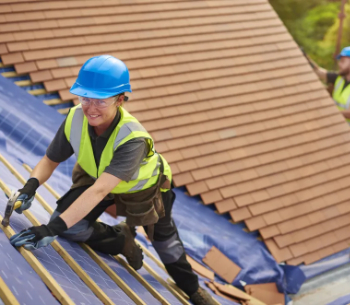
Construction sector under insolvency and wage bill pressure in part linked to National Insurance, says report.
The place for vitrified clay pipes in modern infrastructure

Why vitrified clay pipes are reclaiming their role in built projects.

Research by construction PR consultancy LMC published.
Roles and responsibilities of domestic clients

ACA Safety in Construction guide for domestic clients.
Fire door compliance in UK commercial buildings

Architect and manufacturer gives their low down.
Plumbing and heating for sustainability in new properties

Technical Engineer runs through changes in regulations, innovations in materials, and product systems.
Awareness of the Carbon Border Adjustment Mechanism
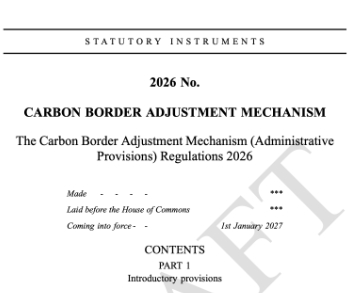
What CBAM is and what to do about it.
The new towns and strategic environmental assessments
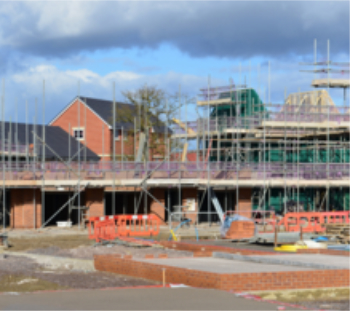
12 locations of the New Towns Taskforce reduced to 7 within the new towns draft programme and open consultation.
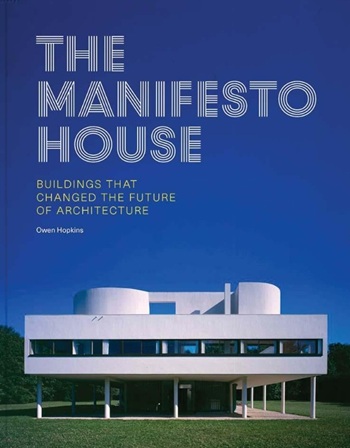
Buildings that changed the future of architecture. Book review.
The Sustainability Pathfinder© Handbook
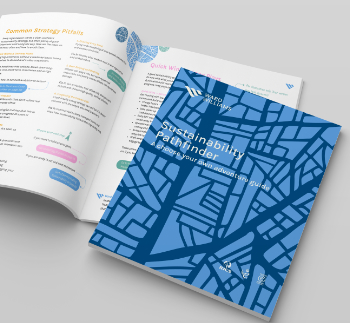
Built environment agency launches free Pathfinder© tool to help businesses progress sustainability strategies.
Government outcome to the late payment consultation, ECA reacts.
IHBC 2025 Gus Astley Student Award winners

Work on the role of hewing in UK historic conservation a win for Jack Parker of Oxford Brookes University.
Future Homes Building Standards and plug-in solar
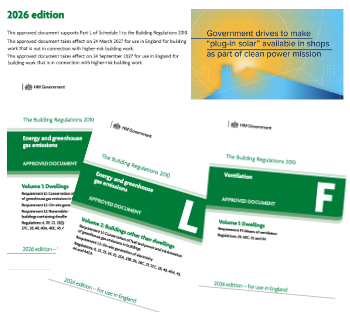
Parts F and L amendments, the availability of solar panels and industry responses.
How later living housing can help solve the housing crisis
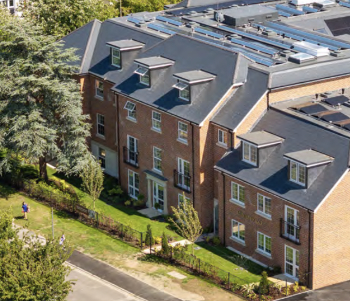
Unlocking homes, unlocking lives.
Preparing safety case reports for HRBs under the BSA
A new practical guide to preparing structural inputs for safety cases and safety case reports published by IStructE.
Male construction workers and prostate cancer

CIOB and Prostate Cancer UK encourage awareness of prostate cancer risks, and what to do about it.