






Electrical businesses brace for project delays in 2025

The latest quarterly Building Engineering Business Survey (BEBS) has revealed that close to two thirds (63%) of electrotechnical and engineering services businesses are worried about delays to projects and the impact this can have on cashflow.
The survey, conducted by ECA in partnership with BESA, SELECT, and SNIPEF and sponsored by Scolmore, also showed that almost a quarter (23%) of respondents expect their business’ performance to have worsened by the end of this year – a figure which has risen by 7% since the last survey, in August 2024.
ECA Director of Legal and business Rob Driscoll said:
“Whilst staff shortages remain a concern, in 2025 we may see a big impact from delays to projects, which invariably leads to claims and disputes over the cost of completion and final payments.
"In a market where SMEs are paid in arrears as projects progress, business owners should focus on their resilience and ability to withstand cashflow turbulence given the propensity of clients to store disputes up until the resolution of the final account.”
The survey suggests optimism about the number of direct employees in the sector, with 16% predicting this will go up in 2025. However, the same proportion of respondents felt the numbers of apprentices would fall in 2025, most likely reflecting the decline in confidence about future trading conditions following the budget announcements of increased costs for 2025.
ECA Chief Operating Officer Andrew Eldred said:
“Businesses are facing conflicting pressures. On the one hand, business leaders are less confident about the future. On the other, long-standing concerns about workforce availability and capability remain.
"Effective dialogue and collaboration between industry, national and regional governments are more necessary than ever to sustain employer investment in skills development through uncertain times. Achievement of key policy missions such as clean energy, housing and good jobs will depend on it.”
The number of respondents reporting vacancies in their businesses rose by 10% to nearly two in five respondents (36%). Trouble filling these vacancies was primarily blamed on a lack of sufficient knowledge or skills (49%), high pay expectations (46%), and a lack of sufficient qualifications (40%).
While most survey respondents felt payment behaviour would not change by the end of Q4 2024, over 20% felt it would deteriorate. Half (49%) said that their public sector clients paid them later than 30 days after completing work, including 10% saying this took over 60 days.
Three quarters (76%) said that their private sector clients paid later than 30 days, including 16% saying this took longer than 60 days. Over 40% of respondents reported that between 2.5-10% of their turnover was currently tied up in retentions.
This article appears on the ECA news and blogsite as "Survey: Electrical businesses brace for project delays in 2025" dated 4 December, 2024.
--ECA
[edit] Related articles on Designing Buildings
- Articles by the Electrical Contractors' Association (ECA).
- BESA - the Building Engineering Services Association.
- Construction Leadership Council CLC.
- Construction Talent Retention Scheme launched.
- Coronavirus and the construction industry.
- ECA Survey: Industry remains optimistic despite downturn.
- Furlough.
- Get ready for green jobs and upgrade projects.
- Retention in construction contracts.
- Survey records business projections after coronavirus storm.
- Tackling the construction skills shortage.
- The future of the coronavirus furlough.
Featured articles and news
Costs and insolvencies mount for SMEs, despite growth

Construction sector under insolvency and wage bill pressure in part linked to National Insurance, says report.
The place for vitrified clay pipes in modern infrastructure
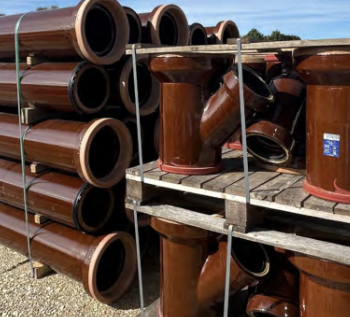
Why vitrified clay pipes are reclaiming their role in built projects.

Research by construction PR consultancy LMC published.
Roles and responsibilities of domestic clients

ACA Safety in Construction guide for domestic clients.
Fire door compliance in UK commercial buildings

Architect and manufacturer gives their low down.
Plumbing and heating for sustainability in new properties
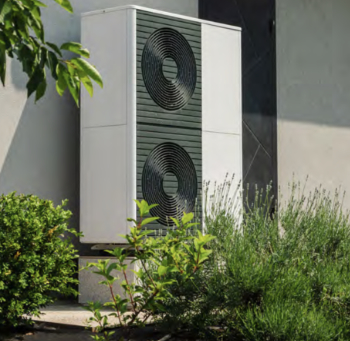
Technical Engineer runs through changes in regulations, innovations in materials, and product systems.
Awareness of the Carbon Border Adjustment Mechanism
What CBAM is and what to do about it.
The new towns and strategic environmental assessments

12 locations of the New Towns Taskforce reduced to 7 within the new towns draft programme and open consultation.

Buildings that changed the future of architecture. Book review.
The Sustainability Pathfinder© Handbook
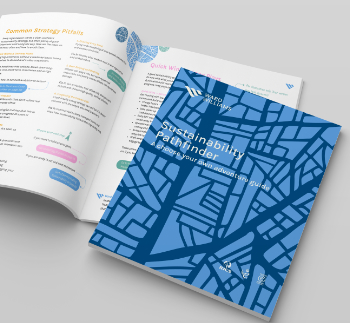
Built environment agency launches free Pathfinder© tool to help businesses progress sustainability strategies.

Government outcome to the late payment consultation, ECA reacts.
IHBC 2025 Gus Astley Student Award winners

Work on the role of hewing in UK historic conservation a win for Jack Parker of Oxford Brookes University.
Future Homes Building Standards and plug-in solar
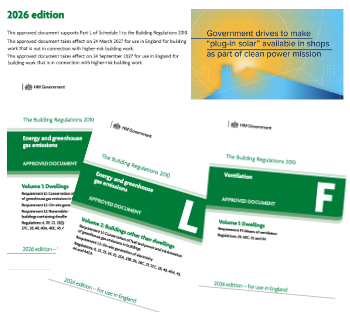
Parts F and L amendments, the availability of solar panels and industry responses.
How later living housing can help solve the housing crisis

Unlocking homes, unlocking lives.
Preparing safety case reports for HRBs under the BSA
A new practical guide to preparing structural inputs for safety cases and safety case reports published by IStructE.
Male construction workers and prostate cancer

CIOB and Prostate Cancer UK encourage awareness of prostate cancer risks, and what to do about it.