





Construction cameras for quantity surveying
Contents |
[edit] Importance of construction cameras to quantity surveyors
Construction projects that want to control cost, time and material often employ a quantity surveyor. The role of a quantity surveyor varies from one construction site to another but might cover; contracts, cost forecasting and cash flow, payments, valuations for the work done to date, and so on.
To facilitate theses tasks, it is important for contractors to work in tandem with quantity surveyors to capture as much data from their site as possible. Visual documentation can play an important role in establishing variations in costs on site, deliveries, disputes and waste management. Construction cameras can provide quantity surveyors with a tool that captures every moment of the construction process and can be used to support the required work.
[edit] Liability lawsuits
Disputes are common in construction projects. Construction cameras can ensure all site activities are visually documented. If claims arise the quantity surveyor can verify such claims by going back to the recorded clips of the said day and time to ascertain before raising/lowering the value for works done. Software available can scan an image and make a comparison to the current status against a past selected dates, which can help to verify any claims.
[edit] Extended valuation overview
One of the main functions of the contractor’s quantity surveyor is to ensure that payment for works done on site are timely and paid in full. For most contractors, interim valuations and certificates form their only source of income, from which they fund the whole of their building operation. In general, building contracts provide within their conditions regular and timely payments to the contractor. This includes the physical measurement of the work on the site and materials delivered. The valuation for interim certificates should be made as accurately as is reasonably possible, and the contractor is entitled under the terms of the contract to the full value of work executed on site, less a specified retention sum.
This particular QS role has had its own share of challenges following the ‘new norm’ of operating in the pandemic. Such a challenge as ensuring little to no human contact as per the covid-19 regulations affects physical measurement of the works on site. With installation of construction cameras, the QS is provided with an extended overview of the construction progress.
[edit] Time and materials
One of the key concerns of a developer is ensuring that the desired building is constructed within budget and on time, which involes monitoring and controlling costs and use of materials throughout the duration of a construction project. Installing a construction camera on site goes a long way to contribute to achieving this goal, along with supporting software. A QS ican potentially tell the quantity of earthworks done by a particular date, the type of vehicles that enter and exit the site and what material has been brought on site. This helps the QS to calculate the amount of material used so far and how much more may be needed as per the projections in the bill of quantities.
[edit] Budget tracking
A quantity surveyor might be in charge of the budget, cameras can provide h a systematic way of overseeing the project remotely and minimise risks as they arise. Hi quality cameras allow for digital zoom of up to 18-times alowing details checks and balances.
[edit] Monitoring progress
Variations and modifications of initial designs will affect the cost of the project. The QS ensures that the information provided by BIM is consistent with the design. Construction cameras can have BIM integration facilitating the ability to monitor consistency of design or ensure that any changes are reflected in all associated contract documents, and cost checks.
[edit] Related articles on Designing Buildings
- Anthony Weller - Architectural photographer.
- Architectural photography.
- Construction cameras.
- Digital mapping and cartography.
- Drones.
- Grant Smith - Architectural photographer.
- How to commission architectural photography.
- LIDAR.
- Photographing buildings.
- Photographing Historic Buildings.
- Simon Kennedy - Architectural Photographer.
Featured articles and news
Change of use legislation breaths new life into buildings

A run down on Class MA of the General Permitted Development Order.
Solar generation in the historic environment
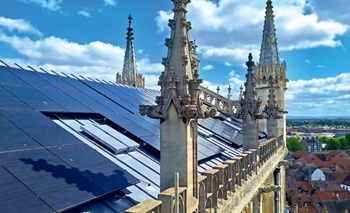
Success requires understanding each site in detail.
Level 6 Design, Construction and Management BSc

CIOB launches first-ever degree programme to develop the next generation of construction leaders.

Open for business as of April, with its 2026 prospectus and new pipeline of housing schemes.
The operational value of workforce health

Keeping projects moving. Incorporating unplanned absence and the importance of health, in operations.
A carbon case for indigenous slate
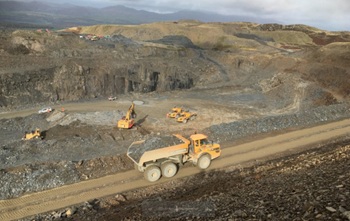
UK slate can offer clear embodied carbon advantages.
Costs and insolvencies mount for SMEs, despite growth
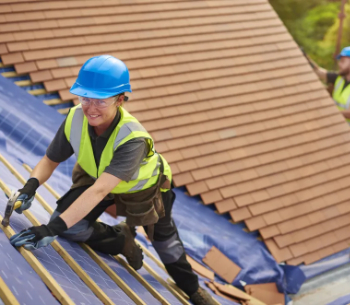
Construction sector under insolvency and wage bill pressure in part linked to National Insurance, says report.
The place for vitrified clay pipes in modern infrastructure
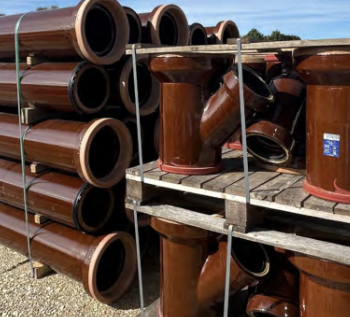
Why vitrified clay pipes are reclaiming their role in built projects.

Research by construction PR consultancy LMC published.
Roles and responsibilities of domestic clients

ACA Safety in Construction guide for domestic clients.
Fire door compliance in UK commercial buildings

Architect and manufacturer gives their low down.
The new towns and strategic environmental assessments
12 locations of the New Towns Taskforce reduced to 7 within the new towns draft programme and open consultation.

Buildings that changed the future of architecture. Book review.
Comments
This is an Excellent and relevant article and it complements my one about Construction Time Lapse Film Footage Provision I created today.