





Blue belt
Marine Conservation Zones (MCZ) are areas that protect a range of nationally-important marine wildlife, habitats, geology and geomorphology. They were introduced to prevent the continued deterioration of the UK’s marine biodiversity and provide legal means to deliver the UK’s international marine conservation commitments.
The Conservative manifesto for the 2015 general election included a commitment to create a ‘Blue Belt’ of Marine Conservation Zones around the UK and 14 UK Overseas Territories. The manifesto stated:
‘Earlier this year we announced the creation of a new Marine Protected Area around the Pitcairn Islands – the largest protected area of sea in the world. We will now go even further, creating a Blue Belt around the UK’s 14 Overseas Territories, subject to local support and environmental need. We will designate a further protected area at Ascension Island, subject to the views of the local community. And, off our own coasts, we will complete the network of Marine Conservation Zones that we have already started, to create a UK Blue Belt of protected sites.
According to the Wildlife Trusts, a Blue Belt could improve the overall health of the marine environment and help it recover from past impacts and sustain current pressures, suggesting that protected areas ‘…are not effective in isolation and can only work if they are: big enough, close enough, representative, numerous enough and actively protected.’
On 17 January 2016, the Department for Environment, Food & Rural Affairs, Natural England, the Joint Nature Conservation Committee (JNCC) and Marine Environment Minister George Eustice MP announced the creation of 23 new Marine Conservation Zones (MCZs), bringing the total up to 50, covering more than a fifth of English waters, that 7,886 square miles - an area roughly equivalent to the whole of Wales. Ref https://www.gov.uk/government/news/blue-belt-extended-to-protect-8000-square-miles-of-uk-waters
This was the second of three planned phases of MCZs; the first phase covered 3,731 square miles of water over 27 sites, and a third phase will be put out to consultation in 2017, and designated in 2018.
George Eustice MP said: “As an island nation, the UK is surrounded by some of the richest and most diverse sea life in the world - from the bright pink sea-fan coral colonies off the south-west coast, to the great chalk reef stretches in the east. It’s vital that we protect our marine environment to ensure our seas remain healthy, our fishing industry remains prosperous and future generations can enjoy our beautiful beaches, coastline and waters. By designating these new Marine Conservation Zones and creating a Blue Belt of protected areas around the country, we can better protect our environment through careful marine management in years to come.”
Joan Edwards, The Wildlife Trusts’ head of Living Seas, said: “Our seas provide the oxygen for every second breath we take, the fish on our plates and so much more. The designation of 50 Marine Conservation Zones to date is a strong step forward but there is much still to do.”
NB, The 'blue belt' concept is similar in name, but a little different in purpose to the 'green belt' on land, which establishes a buffer zone between urban and rural areas, separating town and country and preserving land for forestry, agriculture and wildlife.
In June 2018, the government opened a consultation on the creation of new MCZ's, and on 31 May 2019, Environment Secretary Michael Gove has created 41 new Marine Conservation Zones, marking the most significant expansion of England’s ‘Blue Belt’ of protected areas to date. Ref https://www.gov.uk/government/news/englands-marine-life-protected-with-blue-belt-expansion
NB In In Scotland, MCZs are referred to as Nature Conservation MPAs (Marine Protected Areas).
[edit] Related articles on Designing Buildings
Featured articles and news
Costs and insolvencies mount for SMEs, despite growth

Construction sector under insolvency and wage bill pressure in part linked to National Insurance, says report.
The place for vitrified clay pipes in modern infrastructure
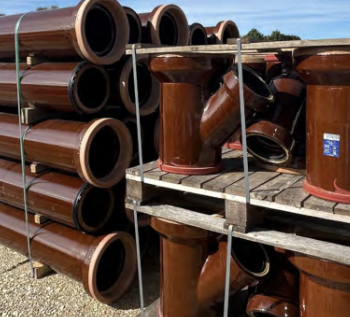
Why vitrified clay pipes are reclaiming their role in built projects.

Research by construction PR consultancy LMC published.
Roles and responsibilities of domestic clients

ACA Safety in Construction guide for domestic clients.
Fire door compliance in UK commercial buildings

Architect and manufacturer gives their low down.
Plumbing and heating for sustainability in new properties
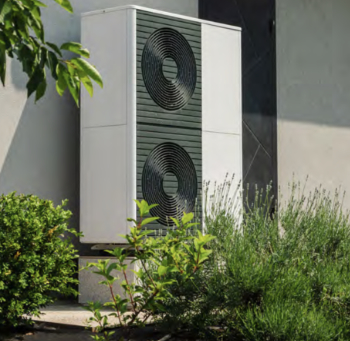
Technical Engineer runs through changes in regulations, innovations in materials, and product systems.
Awareness of the Carbon Border Adjustment Mechanism
What CBAM is and what to do about it.
The new towns and strategic environmental assessments
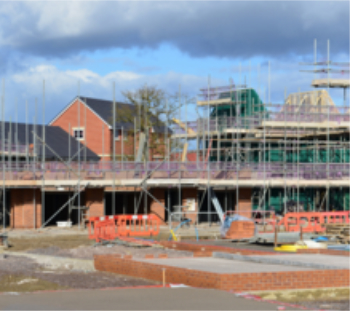
12 locations of the New Towns Taskforce reduced to 7 within the new towns draft programme and open consultation.

Buildings that changed the future of architecture. Book review.
The Sustainability Pathfinder© Handbook
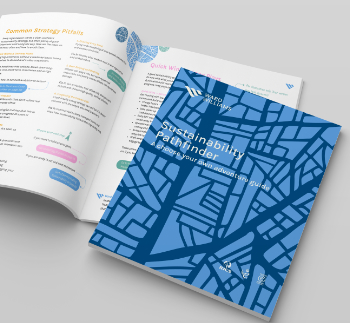
Built environment agency launches free Pathfinder© tool to help businesses progress sustainability strategies.
Government outcome to the late payment consultation, ECA reacts.
IHBC 2025 Gus Astley Student Award winners

Work on the role of hewing in UK historic conservation a win for Jack Parker of Oxford Brookes University.
Future Homes Building Standards and plug-in solar
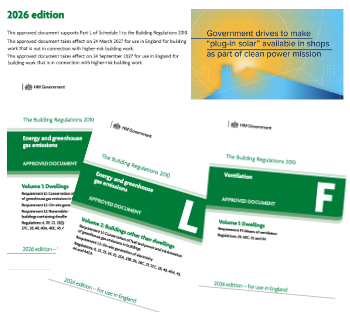
Parts F and L amendments, the availability of solar panels and industry responses.
How later living housing can help solve the housing crisis
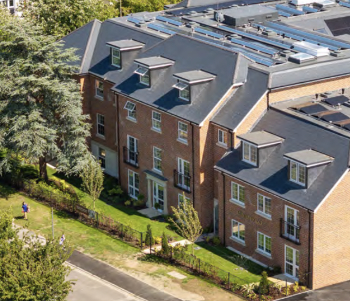
Unlocking homes, unlocking lives.
Preparing safety case reports for HRBs under the BSA

A new practical guide to preparing structural inputs for safety cases and safety case reports published by IStructE.
Male construction workers and prostate cancer

CIOB and Prostate Cancer UK encourage awareness of prostate cancer risks, and what to do about it.