





Aluminium

Contents |
[edit] Introduction
Aluminium makes up more than 8% of the Earth’s core mass and is the most widespread metal. It is also the third most common chemical element after oxygen and silicon. It is the 13 element on the Periodic Table and has a silvery-white appearance.
Pure aluminium does not occur in nature because it binds very easily with other elements. It is because of this that aluminium was only discovered in the 19th century when scientists were able to break down chemical compounds into their elements.
Because of the high costs of the extraction process, it wasn't until the late 19th century that it was possible to produce aluminium on an industrial scale for use in construction and other industries.
[edit] Extraction process
Aluminium is relatively expensive because of the amount of energy required for its extraction. It is extracted from aluminium oxide, a white powder which is purified from aluminium ore (bauxite).
The aluminium oxide is dissolved in molten cryolite (an aluminium compound that has a lower melting point than aluminium itself). Aluminium is then extracted by a process of electrolysis or electrolytic reduction. Electricity is passed through the liquid, and aluminium forms at the negative electrode. It then sinks to the bottom of the tank, where it can be tapped off.
[edit] Properties of aluminium
One of the main reasons for aluminium’s widespread application is its combination of properties:
- Lightweight: Almost three times lighter than iron.
- Durable: Almost as durable as steel.
- Ductile: Extremely flexible and easily processed using pressure when hot or cold.
- Corrosion-resistant: Its surface is protected by an extremely thin yet very strong layer of aluminium oxide.
- Non-magnetic.
- Excellent conductivity.
- Fire-resistant.
- Non-toxic.
- Bonds with other elements relatively easily, enabling the formation of a wide variety of aluminium alloys.
- Re-usable: Aluminium and its alloys can be melted down and reused without any impact on their mechanical properties. Estimates suggest that around 75% of all aluminium produced is still in use in some form.
[edit] Aluminium in construction
As the extraction process is relatively expensive, aluminium was generally not used in construction until the early-20th century. In the 1920s, it began to be used primarily for decorative detailing and Art Deco structures. In the 1930s, a breakthrough was achieved when the Empire State Building used aluminium for much of its interior structures and its famous spire. Subsequently, it began to be used for roofing, flashing, wall panels, spandrels, and so on.
Today, aluminium is the second most used metal in buildings after steel.
Because of its ductility, aluminium can be formed into many shapes and profiles. Aluminium wall cladding systems are commonly used for building exteriors, with large wall panels requiring fewer joints, resulting in time-efficient installation.
Some of the most common applications for aluminium are:
- Window and door frames.
- Rolling shutters and sun shading elements.
- Long-span roof systems covering large areas such as halls and auditoriums.
- Structures located in inaccessible places where the economy of transport and ease of installation are important, such as electrical transmission towers.
- Structures in corrosive or humid environments, such as swimming pools, bridges, hydraulic structures, offshore superstructures, and so on.
- Structures with moving sections, such as moving bridges.
- Structures to which access for maintenance is limited, such as masts, lighting towers, antenna towers, and so on.
[edit] Related articles on Designing Buildings
- Alloy.
- Aluminium decking.
- Bauxite.
- Cast iron.
- Copper.
- Failure of metals.
- Flashing.
- Galvanised steel.
- Iron.
- Lead.
- Metal.
- Metal fabrication.
- Metal roofing.
- Stainless steel.
- Types of metal.
- Zinc.
[edit] External resources
- Aluminium Leader - What is aluminium?
Featured articles
Check out some of the best features and news from Designing Buildings as well as key stories from around the web.

Accommodating the Victorian and Edwardian working woman. Book review.
Rethinking passive fire protection in design

PFP demands the same level of design rigour as structure or services.

38% of Gen Zs feel safe when a fire door is wedged open.
Stunning images from around the world
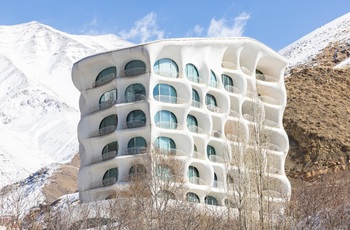
Shortlist for CIOB’s Art of Building photography competition.
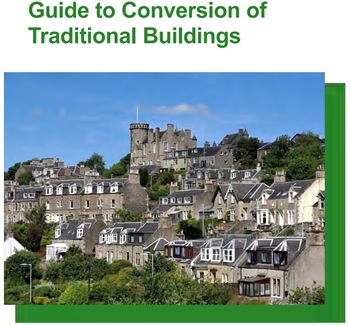
Guidance for conversion of traditional pre-1919 stone buildings.
Industrial heritage in the Ruhr
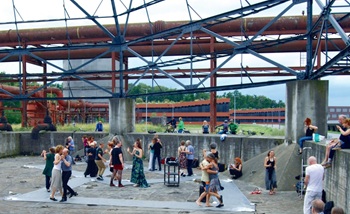
A marked difference to the fate of industrial landscapes in the UK.
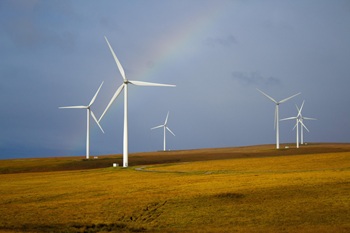
Communities will be able to build their own clean energy.
Why diversity and inclusion matters for SMEs

CIOB’s D&I Charter shows how practical changes can support long-term growth.
Cut electricity bills to power growth

Coalition sends joint letter to the Chancellor.

Gasholders: a history in pictures. Book review.
Recognition, influence and growth

SocEnv identifies three strategic pillars in new strategy to 2045.
Discover the future of roofing, cladding and insulation.
Comments