




Ductility in construction
Ductility (or ductile) describes a material that possesses a relatively large plastic region, in that it can be deformed, worked and reworked many times before it is likely to fail or become brittle. Formally it is defined by the degree to which a material can sustain plastic deformation under tensile stress before it fails. . This is different from a malleable material which can be flattened into sheets through compressive forces.
Ductile metals have the capacity to be drawn into a wire without fracturing. This is an important characteristic in manufacturing and occurs due to the nature of metallic bonds in aluminium, copper and magnesium alloys, whilst cast iron is less ductile and fails due to its brittleness as do tungsten and high-carbon steel.
[edit] Related articles on Designing Buildings
Featured articles
Check out some of the best features and news from Designing Buildings as well as key stories from around the web.

More of England’s ‘hidden heroes’ will be celebrated.

CIAT calls for retrofit to be a priority.

Version 6 is now available, along with guidance for ECA members.

Post-War Homes: mid-century British architecture. Book review.

CIAT reflects on the party conferences.
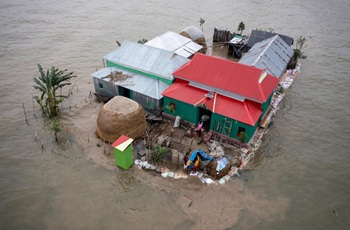
CIOB announce the winners of the Art of Building photography competition.

National Scheme of Delegation introduced.

The cost of employing people remains a concern.
Code of Practice for Electrical Energy Storage Systems.

ECA calls on members to comment on draft 4th edition.

Bringing together expertise and creating cultural benefits.

CIOB celebrates positive Ofsted report.

The Building Safety Regulator announces a call for evidence.
Comments
[edit] To make a comment about this article, or to suggest changes, click 'Add a comment' above. Separate your comments from any existing comments by inserting a horizontal line.